Cheapest Property in Turkey — Top 5 Regions 2026
Contents
Is it still possible to buy a seaside apartment in Turkey for under $50,000? When most people hear that number, they assume it’s a marketing trick — after all, that kind of money wouldn’t buy you a parking space in London or a studio in Barcelona. But in 2026, budget-friendly property in Turkey is very much real, provided you know where to look and what trade-offs to expect.
Turkey remains one of the most affordable property markets in the Mediterranean, with a national average of roughly $825 per square metre. Over 834,000 homes were sold in the country in the first half of 2025 alone — the market is active, liquid, and increasingly familiar to international buyers. But certain regions offer prices well below the national average, and that’s where this guide comes in.
We break down five specific locations where affordable real estate in Turkey is genuinely available — no vague promises, just concrete districts, current prices, honest pros and cons, and the practical gotchas that glossy brochures tend to leave out.
What “Cheap” Actually Means: Price Brackets for Foreign Buyers
Before diving into locations, it helps to set expectations. “Cheap” is relative — what feels like a bargain to a London buyer may still seem pricey to someone from Central Asia. Here’s how the Turkish market breaks down for international purchasers:
- Budget (under $50,000). Studios and one-bedroom apartments (1+0 or 1+1) on the resale market or in off-plan developments at early construction stages. Typically located in developing areas, not on the seafront. Floor area: 35–55 m².
- Mid-range ($50,000–$100,000). One- and two-bedroom apartments (1+1, 2+1) in residential complexes with amenities — pool, security, parking. Distance to sea: 500 m to 2 km. This is the sweet spot for buyers seeking budget apartments in Turkey without sacrificing comfort.
- Comfort ($100,000–$200,000). Spacious sea-view apartments, duplexes, and penthouses in popular resort areas. Furnished, finished, and close to the beach.
This article focuses on the first two brackets — where the most compelling opportunities lie for cost-conscious buyers.
Top 5 Regions with the Most Affordable Property
1. Mersin — The Mediterranean’s Hidden Gem
Mersin is a major port city on Turkey’s southeastern Mediterranean coast that has long been overshadowed by Antalya and Alanya. That relative obscurity is precisely what makes it one of the best value destinations in 2026.
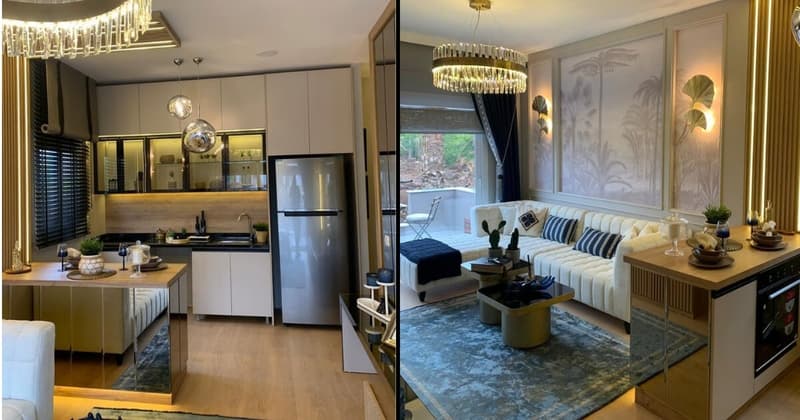
Prices. One-bedroom apartments (1+1) in new developments start from $35,000–$45,000 in coastal districts such as Erdemli, Tömük, and Tece. Resale properties can be found for even less. Per-square-metre prices in Mersin remain significantly below those in Antalya or Alanya.
Why it’s worth a look. Mersin is a city of over one million people with full urban infrastructure: universities, hospitals, shopping centres, and a major commercial port. The climate is mild Mediterranean — around 300 sunny days per year, with a swimming season stretching from late March to November. Active development is underway in coastal areas, where modern complexes with pools, gyms, and playgrounds are being built at prices far below equivalent projects in Alanya.
Watch out for. Mersin isn’t yet a top tourist destination, which means short-term rental yields are lower than in resort cities. However, for long-term living or early-stage investment, experts consistently point to Mersin as an emerging market at the beginning of its growth cycle.
2. Gazipaşa — Quiet Coastal Living Near Alanya
Gazipaşa is a small coastal city on the eastern edge of Antalya Province, bordering Mersin. It’s not a suburb of Alanya but an independent town with its own character: citrus groves, mountain ranges, quiet coves, and no mass high-rise development. If Mahmutlar is the bustling city-resort where something’s always happening, Gazipaşa is where you have morning coffee on the balcony overlooking the Taurus Mountains and walk to the beach past orange trees.
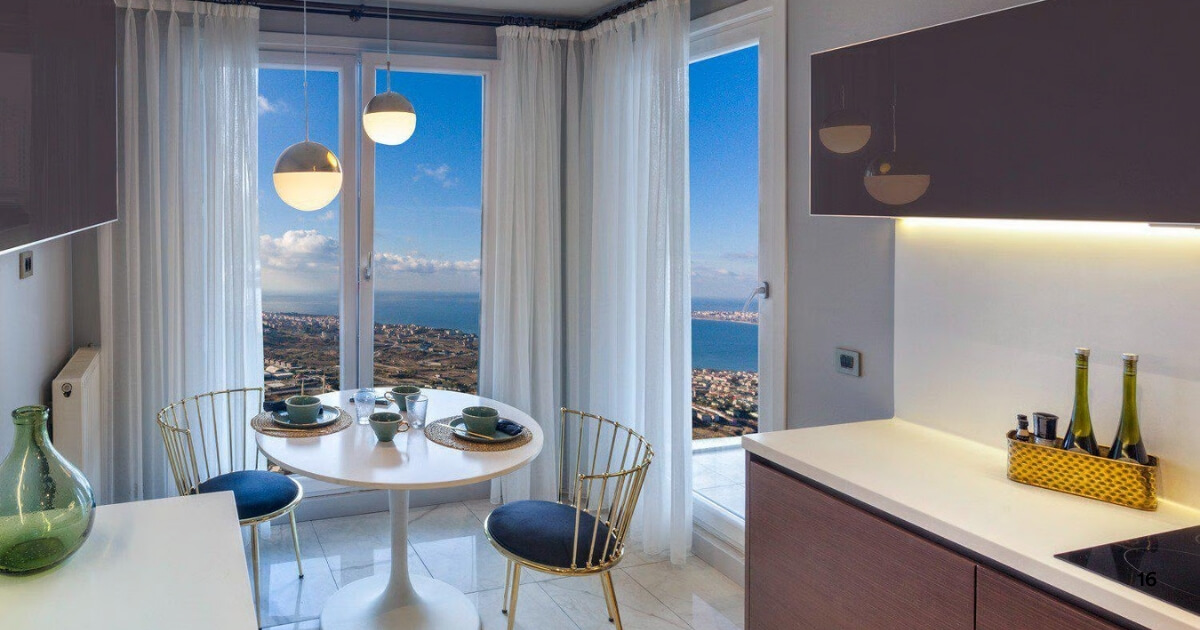
Prices. New apartments in residential complexes within a kilometre of the sea start from $40,000–$55,000 — cheaper than comparable properties in Alanya. Building height restrictions preserve the area’s natural character and keep density low. Developers compensate for the lower rise with more generous floor plans and larger communal areas — you’re trading vertical density for horizontal space.
Why it’s worth a look. Gazipaşa has its own international airport — Gazipaşa-Alanya Airport (GZP), which handles flights from across Europe and Russia. That makes it remarkably convenient for anyone splitting time between countries: land, and you’re home in 20 minutes. The town is growing steadily without the chaos of mass tourism, yet infrastructure is improving year on year — new shops, restaurants, and healthcare facilities are appearing. It’s an ideal choice for buyers who value nature and tranquillity without full isolation from amenities.
Watch out for. Infrastructure still lags behind Alanya — fewer shops, restaurants, and entertainment options. For serious shopping or specialist medical care, you’ll likely need to drive to Alanya, roughly 40 minutes away. If a vibrant social scene matters to you, neighbouring Alanya districts may be a better fit. But for European buyers — particularly from Scandinavia and Germany — seeking low-cost property in a peaceful setting with genuine growth potential, Gazipaşa is increasingly on the radar.
3. Mahmutlar (Alanya) — Resale from $40,000
Mahmutlar is Alanya’s most densely developed and dynamic neighbourhood, stretching along the coast on the city’s eastern side. It holds the bulk of Alanya’s housing stock — both new and resale — and offers some of the lowest prices on the entire Turkish Mediterranean.
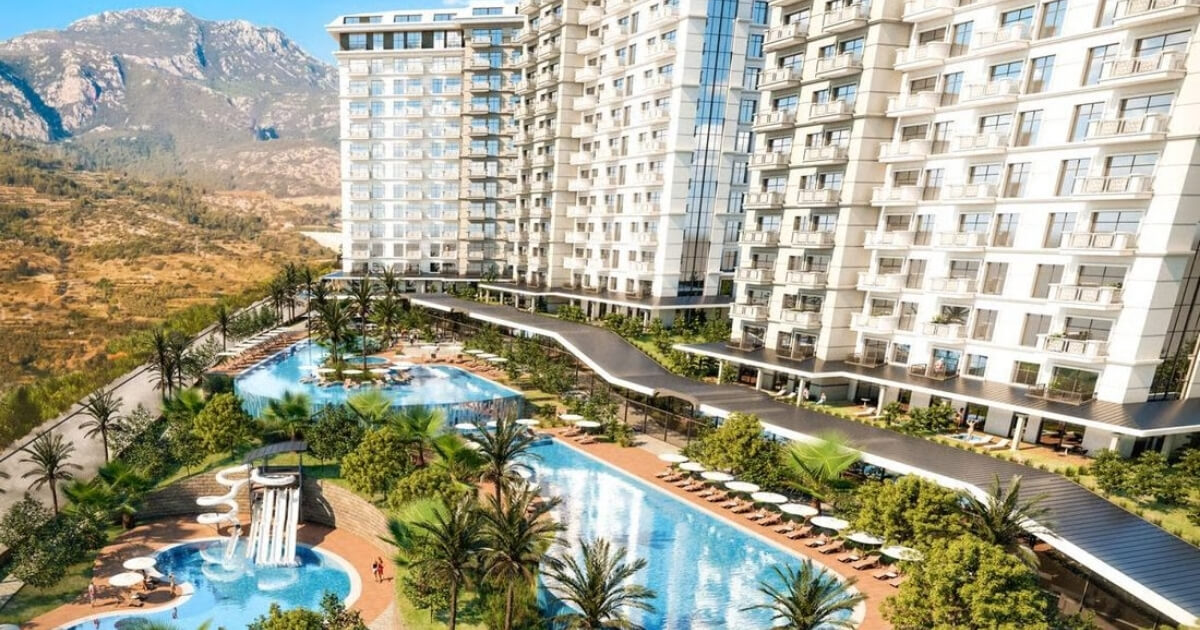
Prices. Resale apartments start from $40,000 for a studio or one-bedroom unit (1+0, 1+1). New-build complexes with full amenities (pool, gym, security, underground parking) begin at $55,000–$70,000 for a 1+1. Average resale prices sit around €600 per square metre — among the cheapest in any Turkish resort area.
Why it’s worth a look. Mahmutlar is a fully established neighbourhood with everything you need for daily life within walking distance: schools, supermarkets, pharmacies, private clinics, cafés, and restaurants. A large international community lives here year-round, with kindergartens and schools offering instruction in foreign languages. For buyers wanting cheap homes in Turkey for foreigners with full resort infrastructure, Mahmutlar is the obvious choice.
Watch out for. High-density development is the main downside. Summers are crowded and noisy. If peace and space matter, quieter Alanya suburbs like Avsallar, Demirtaş, or Payallar may suit you better. Also, when buying resale, inspect the apartment and documentation thoroughly.
4. Kepez (Antalya) — A Big City’s Budget District
Kepez is one of Antalya’s largest districts, located in the northwest of the city. It’s not a seafront resort zone — it’s a proper residential area with developed urban infrastructure. That’s exactly why prices are notably lower than in coastal districts like Konyaaltı or Lara. For anyone who thinks of Antalya purely as a holiday destination, Kepez is a revelation — this is “working” Antalya, where locals live, trams run on schedule, and families stroll through neighbourhood parks in the evening.
Prices. Apartments in Kepez start from $45,000–$55,000 for a 1+1 in newer complexes. Resale options can be found for less — sometimes as low as $35,000, though at that price you need to inspect the building’s condition very carefully. Per-square-metre prices are roughly 30–40% below Antalya’s coastal districts, yet the city centre is just 15–20 minutes away by tram.
Why it’s worth a look. Kepez suits buyers who prioritise city life over beach access. Public transport is excellent — the Antray tram runs through the district and connects it to central Antalya, supplemented by bus routes and proximity to major roads. The district is undergoing active development with new housing projects, schools, clinics, and parks. For families, remote workers based in Antalya, or investors targeting long-term rental yields, Kepez offers arguably the best value-for-money in the entire Antalya metropolitan area.
Watch out for. The sea is 10–15 km away — impractical without a car, though many residents solve this with a beach club membership on the coast. Not every part of Kepez is equally pleasant: there are modern, well-planned micro-districts, and there’s older 1990s housing stock with the comfort level to match. Some blocks are overcrowded and short on green space. Research the specific complex and its immediate surroundings before committing — and ideally visit the area in person.
5. Esenyurt and Beylikdüzü (Istanbul) — Megacity on a Budget
Istanbul is Turkey’s largest and most expensive city, but even here, pockets of affordability exist. Esenyurt and Beylikdüzü are two western districts on the European side that have seen massive construction in recent years. A decade ago, these were largely empty fields and agricultural land; today, they’re home to hundreds of residential complexes, shopping centres, and schools. This is a completely different Turkey from the holiday coast — people buy here not for the sea, but for the rhythm and opportunity of a major global city.
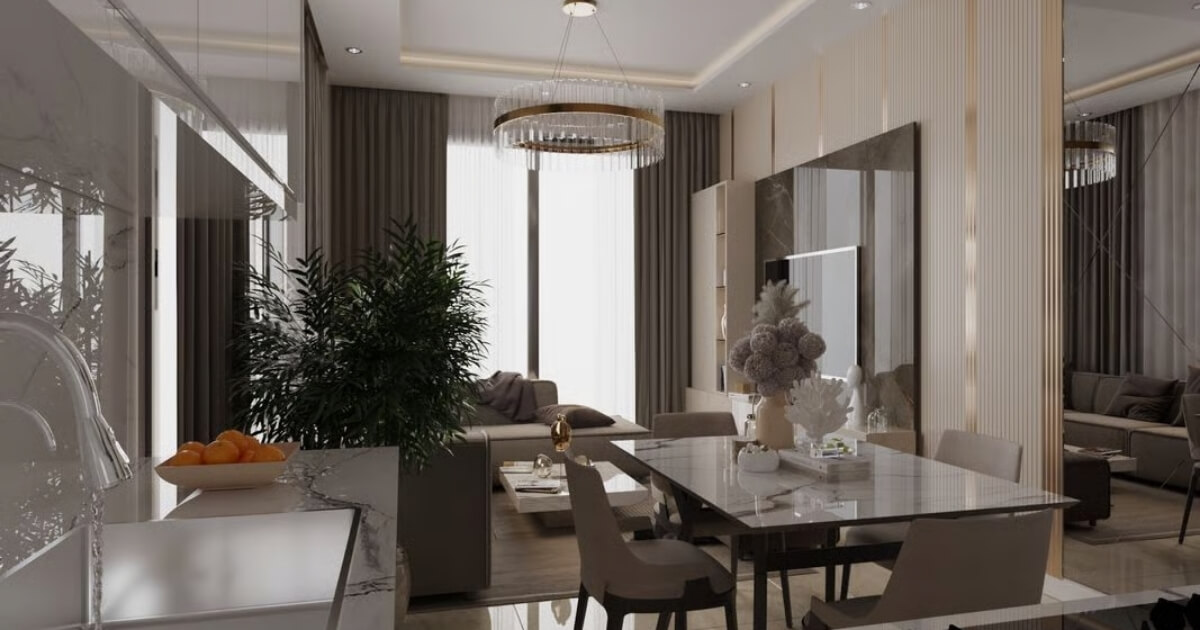
Prices. Apartments in Esenyurt start from $70,000–$90,000 for a 1+1 in new complexes. Beylikdüzü is slightly pricier — from $85,000–$100,000 — but offers a noticeably more comfortable urban environment with better planning. Resale options exist at lower price points, though quality varies widely — Esenyurt in particular has some developments that were built in a rush with cut corners, so resale due diligence here is especially important.
Why it’s worth a look. This is Istanbul — a megacity with endless opportunities for business, education, and culture. Most international companies operating in Turkey are headquartered here, the country’s best universities are concentrated in the city, and the cultural calendar never stops. Both districts are connected to the centre by Metrobus — a dedicated rapid transit lane that often beats sitting in traffic in a private car. Beylikdüzü stands out for its planned layout with wide boulevards, parks, and shopping centres. For buyers who see Turkey as a place to live and work rather than holiday, western Istanbul is the most accessible entry point to the city’s property market.
Watch out for. Esenyurt is one of Istanbul’s most densely populated districts, and construction quality varies significantly. Not all complexes are created equal — some neighbourhoods feel overcrowded with towers packed close together, little greenery, and a daily parking struggle. Commuting to the city centre (Taksim, Beşiktaş, Kadıköy) takes 1.5–2 hours in traffic, though the Metrobus cuts that to 50–70 minutes. Additionally, foreign nationals are restricted from registering in certain Istanbul districts (including parts of Esenyurt) due to high migrant concentrations — verify current regulations before purchasing, or you may end up owning an apartment where you can’t obtain a residence permit.
Comparison Table: Prices, Pros, and Cons
What to Watch Out for When Buying Budget Property
A low price doesn’t automatically mean a good deal. When purchasing affordable property in Turkey, pay attention to the following — saving money upfront shouldn’t mean headaches a year down the line.
- Legal due diligence. Confirm that the apartment has a TAPU (title deed), is free of encumbrances, debts, and legal disputes. There are cases where sellers list properties with unpaid utility debts stretching back years, or with liens attached — all of which transfer to the new owner. Work exclusively with licensed agencies and always engage an independent lawyer. Their fee ($500–$1,000) is a small price for avoiding a five-figure mistake.
- Building condition. For resale properties, check the building’s age, construction quality, and earthquake resistance. Turkey sits in a seismically active zone — the devastating 2023 earthquake in the country’s southeast was a stark reminder of why building codes matter. New constructions built after 2018 follow updated seismic codes with mandatory earthquake reports. When buying resale, ask for the building’s technical passport (deprem raporu) and look for visible signs of structural issues — cracks, façade deterioration, ageing plumbing and electrics.
- Hidden costs. Budget an additional 8–10% of the purchase price for taxes and fees: the title deed transfer tax (4% of cadastral value, which is typically below market value), notary services, sworn translator (mandatory at the title deed office), lawyer, and utility connection fees (water, electricity, gas, internet). Annual property tax ranges from 0.1% to 0.6% of the cadastral value — modest by European standards, but worth factoring in.
- Neighbourhood infrastructure. Low prices often correlate with distance from key amenities — the sea, shops, hospitals, public transport. Visit the area in person before buying, and not just once: come on different days of the week and at different times. A neighbourhood that looks like a peaceful oasis on a Wednesday morning can turn into a noisy thoroughfare by Saturday night. Talk to neighbours, check the nearest shop, test whether public transport actually runs on schedule.
- Resale and rental prospects. If you’re buying as an investment, evaluate the property’s liquidity: how easy will it be to sell or rent the apartment in a few years? Resort areas (Mahmutlar, Gazipaşa) offer better short-term rental potential — in summer, a studio can fetch $40–$60 per night. Urban districts (Kepez, Esenyurt) suit long-term leasing strategies with steadier, if less spectacular, returns.
FAQ
Can I buy an apartment in Turkey for under $50,000?
Yes — and it’s not a gimmick. In Mersin, Gazipaşa, and Mahmutlar (resale market), apartments are available from $35,000–$40,000. These are typically studios or small one-bedroom units (1+1) in residential complexes with basic amenities. On the primary market, you’ll find options from $40,000–$45,000, usually off-plan developments at early construction stages — you can’t move in immediately, but you lock in the price before growth kicks in. The key is not to chase the absolute lowest price at the expense of quality: a $5,000 difference can mean a completely different tier of complex.
Can foreigners freely buy property in Turkey?
Citizens of most countries can purchase property in Turkey without restrictions — the process is relatively straightforward and takes anywhere from a few days to a couple of weeks. Exceptions apply to certain border and military zones, as well as specific Istanbul districts where foreign registration is limited due to high migrant concentrations. Some nationalities (notably Syrian citizens) cannot purchase directly. Always verify the latest regulations for your nationality before starting your property search — ideally with a lawyer, not just an estate agent.
What additional costs should I expect?
Beyond the property price itself, budget 8–10% for associated costs. The biggest item is the title deed transfer tax (4% of cadastral value, which is usually lower than market value). Add lawyer fees ($500–$1,000), notary and sworn translator costs (mandatory at the title deed office), utility connections ($200–$400), and annual property tax (0.1–0.6% of cadastral value). If you’re buying in a complex, factor in the monthly maintenance fee (aidat) — typically $30–$100 depending on the amenities.
Does buying cheap property qualify me for Turkish residency or citizenship?
Any property purchase in Turkey entitles you to apply for a residence permit (ikamet). This lets you live in the country legally, open bank accounts, enrol children in school, and access healthcare. However, Turkish citizenship by investment requires a minimum property purchase of $400,000, so budget property won’t open that path. Still, a residence permit is a significant benefit, and many budget-property buyers start here, gradually building their Turkish real estate portfolio over time.
Ready to find your property in Turkey?
We’ve covered five regions where you can buy a home by the sea from $35,000 — but that’s just the starting point. The VirtoProperty catalogue features hundreds of up-to-date listings across every region mentioned here: from off-plan studios to move-in-ready apartments with furniture and Mediterranean views. Filter by price, city, property type, and distance to the sea — and find exactly what fits your budget and lifestyle.
Not sure where to begin? Our Turkey property specialists offer free, no-obligation consultations: they’ll help you narrow down the right region, flag what to watch out for during the buying process, and give you an honest picture of current pricing. No pressure — just a conversation that could save you time and money.