New Build Property in Spain vs Resale
Contents
Lower utility bills
Quality finishes and durability
Convenient layout
Surrounding infrastructure
Squatters won’t get through!
Secure transaction
Installment payment
Online viewing and booking
1. Lower utility bills

All new builds in Spain have energy certificates of class A or B. Thanks to the use of modern materials and electrical equipment, modern buildings better retain heat inside. The main energy efficiency parameters are thermal insulation, heat recovery and infiltration (reducing air ingress from outside).
A house with a class A energy certificate has average heat losses of 25 kWh per 1 m² per year. If you multiply this by the nominal area (100 m²) and the Spanish tariff (about €0.13 per kWh of electricity), electricity expenses in such a house will amount to approximately €325 per year. A similar apartment with a class D certificate has almost four times greater heat losses — 92 kWh per 1 m² per year, which gives annual heating expenses of about €1,200.
In many old Spanish houses, mainly intended for seasonal living, heating is completely absent. In new builds, however, a heating system is almost always installed.
2. Quality finishes and durability
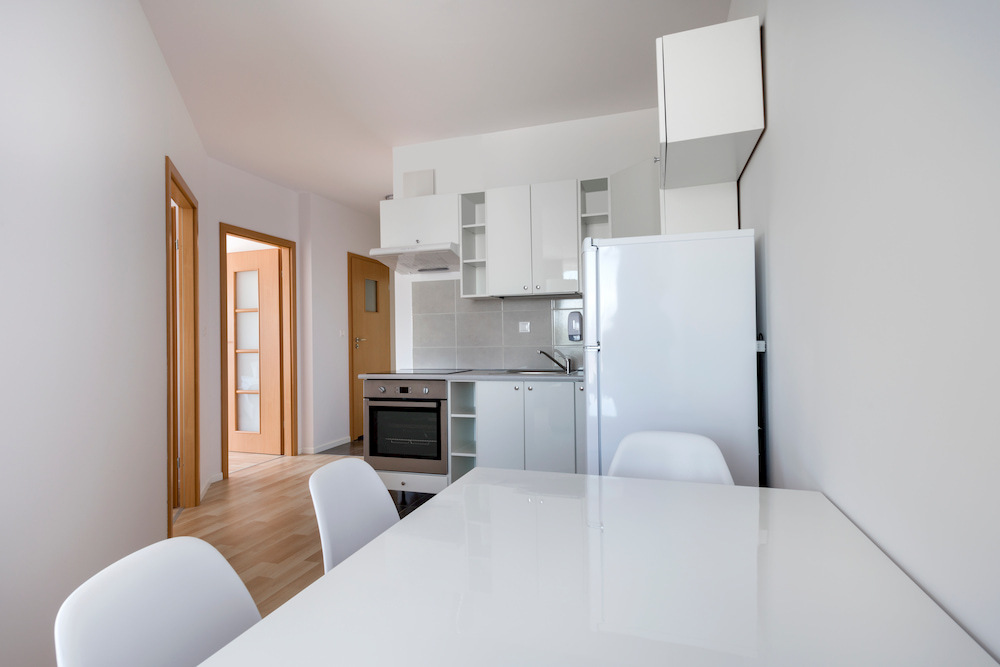
The overwhelming majority of villas and apartments in Spain are delivered with complete finishes, ready for occupancy. This means that walls are already painted, tiles and plumbing are installed, and the kitchen is almost always equipped and furnished. As a bonus, the developer often installs air conditioning or provides discounts on furniture and/or appliances. Spain’s dry and sunny climate (except for the northern part) ensures long service life without the need to invest in repairs.
Secondary housing requires modification to your needs, or you may need to spend money on renovation. If the building is more than 30 years old, it may have been built using outdated technologies and may need serious renovation.
3. Convenient layout
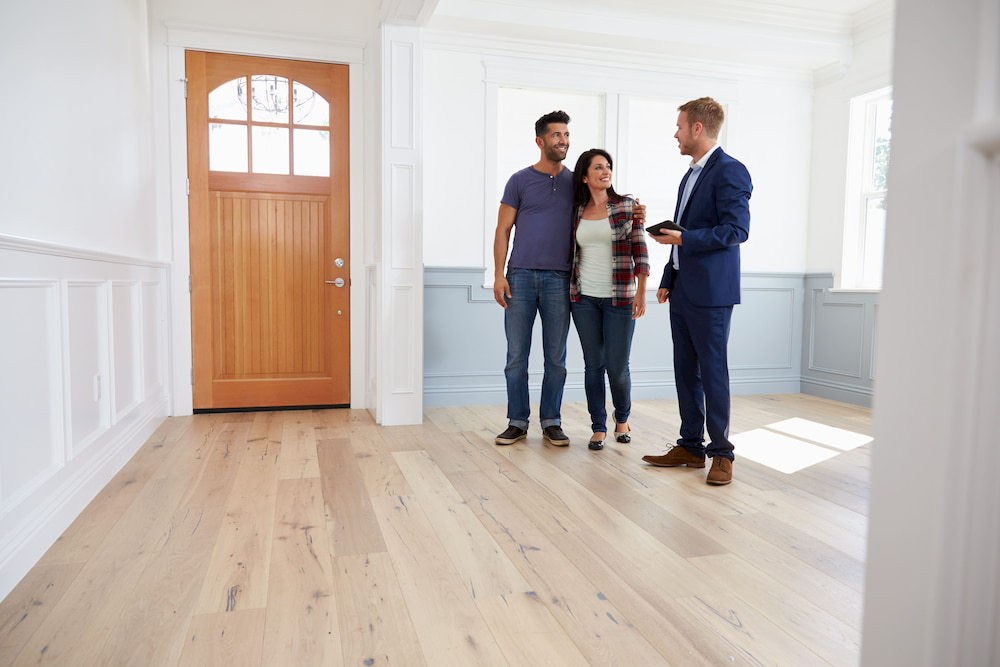
Spain is a warm southern country whose residents are accustomed to spending most of their lives outdoors. In classic Spanish layouts, significant space is allocated to the living room. Traditional Spanish bedrooms are made as compact as possible — the main thing is that they fit a bed and dresser.
Modern Spanish developers increasingly focus on the preferences of foreign buyers and design bedrooms more spaciously. Buying housing in a new build gives you a more familiar and convenient layout oriented toward European preferences.
4. Surrounding infrastructure
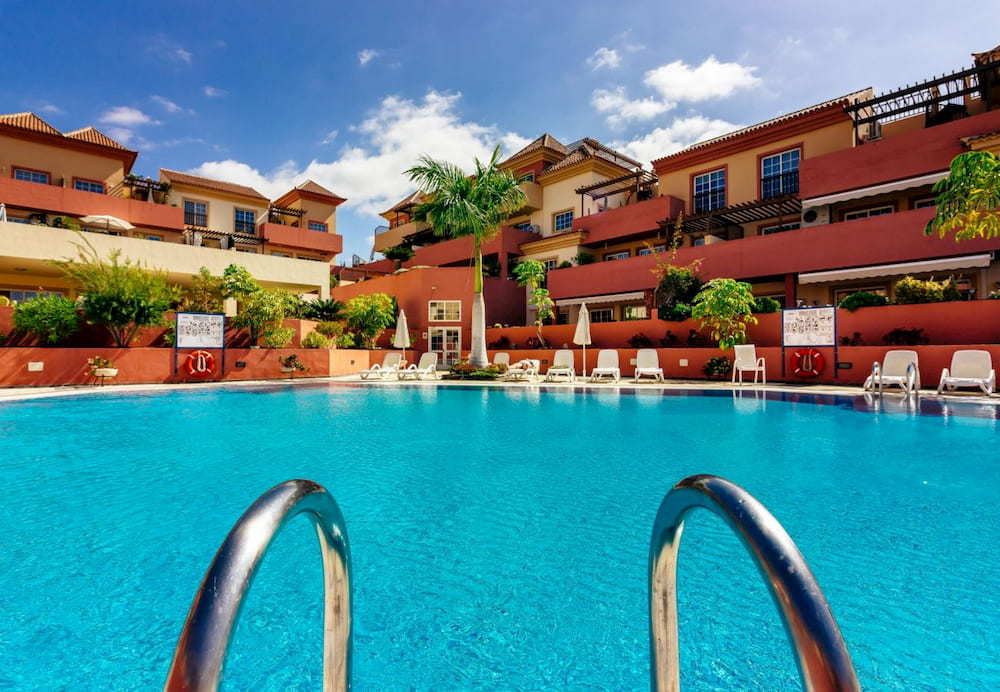
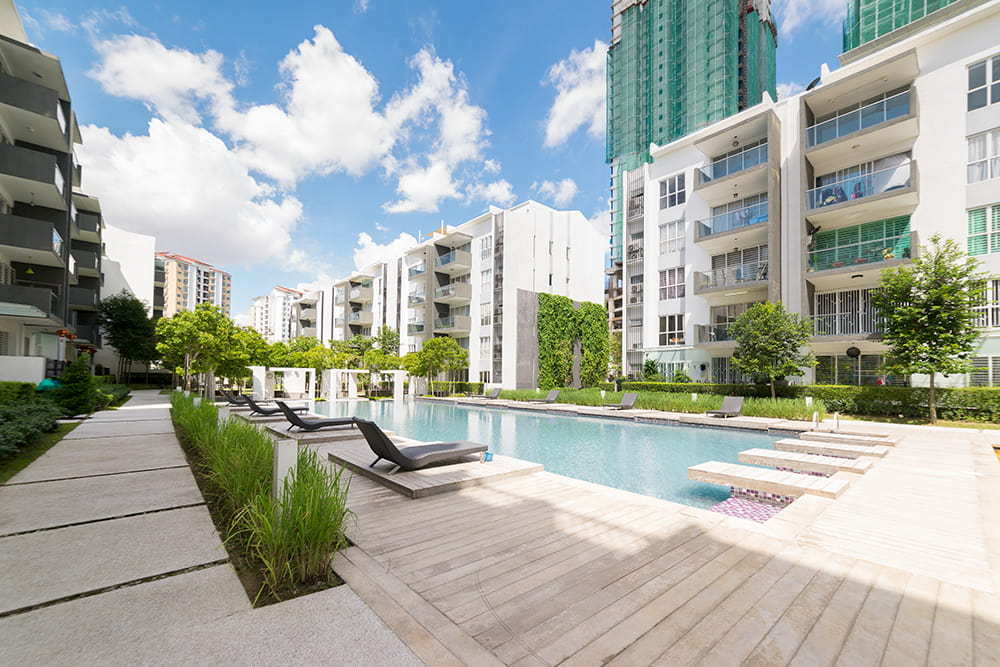
In Spain, it’s customary to build housing in complexes with excellent infrastructure for residents. A typical Spanish complex (urbanización) is usually a gated territory with 8–12 buildings (2–3 floors), in the middle of which is located a pool with sun loungers, lawn, barbecue area, playground, etc. In expensive complexes there may be a gym or SPA.
Unlike secondary housing, you get not just an apartment in a multi-story building in the city center, but a property in a complex with modern infrastructure. Entry to the territory is often accessible only to residents and their guests, which guarantees additional security.
5. Squatters won’t get through!

The older your house and the neighborhood around it, the higher the probability that squatters (okupas, ocupantes) will penetrate your dwelling. An old detached house is significantly more attractive to squatters than an apartment in a gated complex with video surveillance and neighbors who know each other.
6. Secure transaction
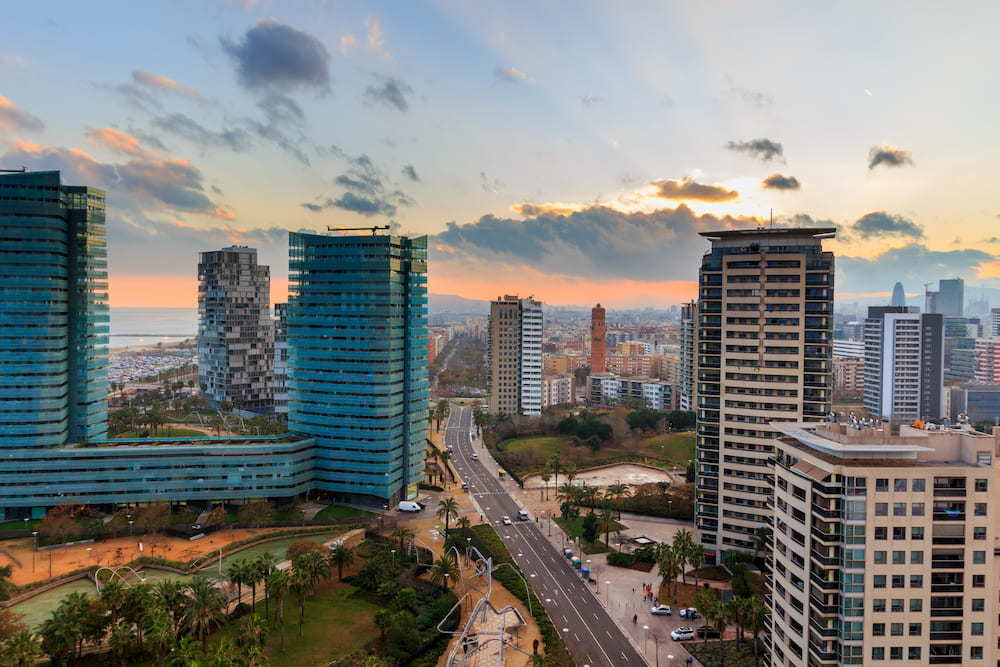
In Spain, buyers’ money goes not directly into the developer’s pocket, but to bank escrow accounts, which acts as a guarantor of construction completion. The bank releases money to builders only to cover work expenses and purchase construction materials; materials must exactly correspond to those declared at the start. The developer receives profit after commissioning the house.
When buying new housing, you exclude pitfalls like outstanding bills or other encumbrances from the previous owner.
7. Installment payment

The average construction time for housing in Spain is 12–18 months. New properties are sold almost immediately (even before earthworks begin). Spain operates an “installment” payment system: first a booking agreement is concluded (€6,000–10,000), then a contract with a payment schedule is signed.
Usually 50% payment is distributed over six months. Typical scheme: first month after contract signing — 20% of the total amount, then over two-three months — another 20%, and the last 10% — over the next two months. The buyer pays the remaining 50% after receiving keys and signing the purchase agreement.
8. Online viewing and booking
Spanish developers offer remote viewing opportunities, including individual online tours of the construction site via video conference. Documents are signed the same way.
On the VirtoProperty website, clients can get all necessary information about construction projects, including developer contacts, layouts, blueprints, photos, construction timelines and much more. The database includes more than 150 local development companies.
Buying real estate is a very responsible decision. To avoid making mistakes in your choice, you need to spend at least several months thoroughly studying all options. In addition, it can be difficult for a person without construction experience to assess the reliability of developers, building nuances, or residential community aspects. At the same time, we already have all the necessary information, including data on closed sales, price change forecasts for certain properties, and other insider data.
We are not connected to any of the developers. We don’t have the goal to “push” any particular property. From us you get a complete list of options that match your exclusive preferences.
We have access to a closed database of leading Spanish developers.
When buying real estate with VirtoProperty, you acquire a property at the developer’s price. No additional expenses.
Discounts. We represent the client’s side during negotiations with construction companies and can achieve the most favorable conditions for the buyer in the form of discounts or various bonuses (as mentioned above, this can be appliances, furniture, or even a parking space).