El Campello Near Alicante: City Overview, Property Market and Useful Tips for Living and Holidays

Contents
1. General Information
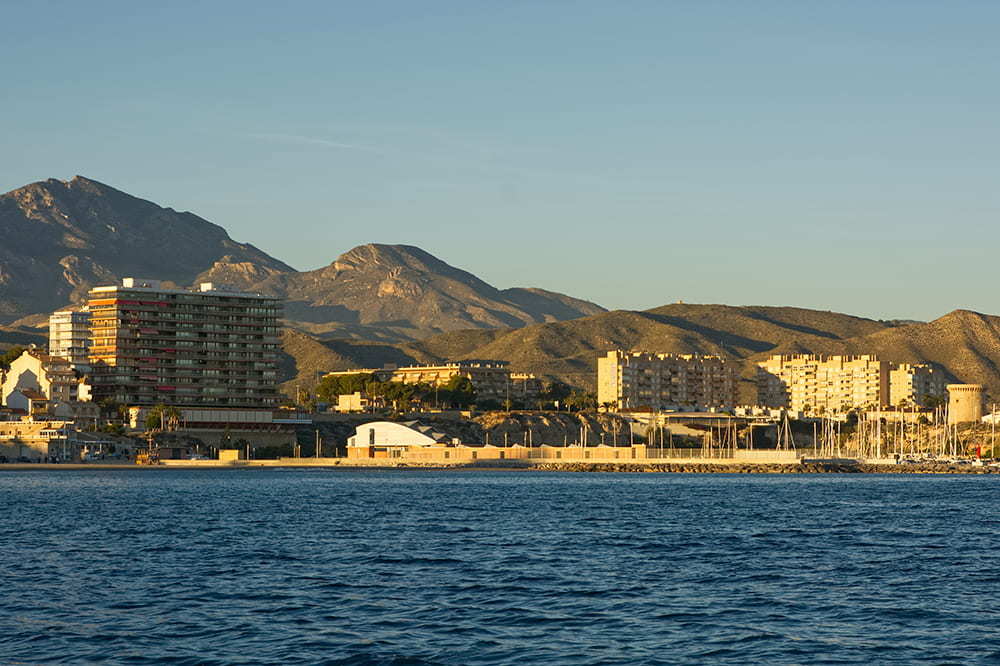
El Campello is a coastal municipality in the province of Alicante, located 13 kilometres north-east of Alicante city. The official population is 28,349, though this figure triples in summer. Originally a fishing and farming village, today the economy centres on tourism, construction and related industries.
The municipality covers 55.27 km2 with 23 km of coastline featuring notable beaches at Muchavista and Carrer del Mar. Alicante Metro (Trenet de la Marina) serves the area with 12 stops, connecting it with Denia and running from north to south.
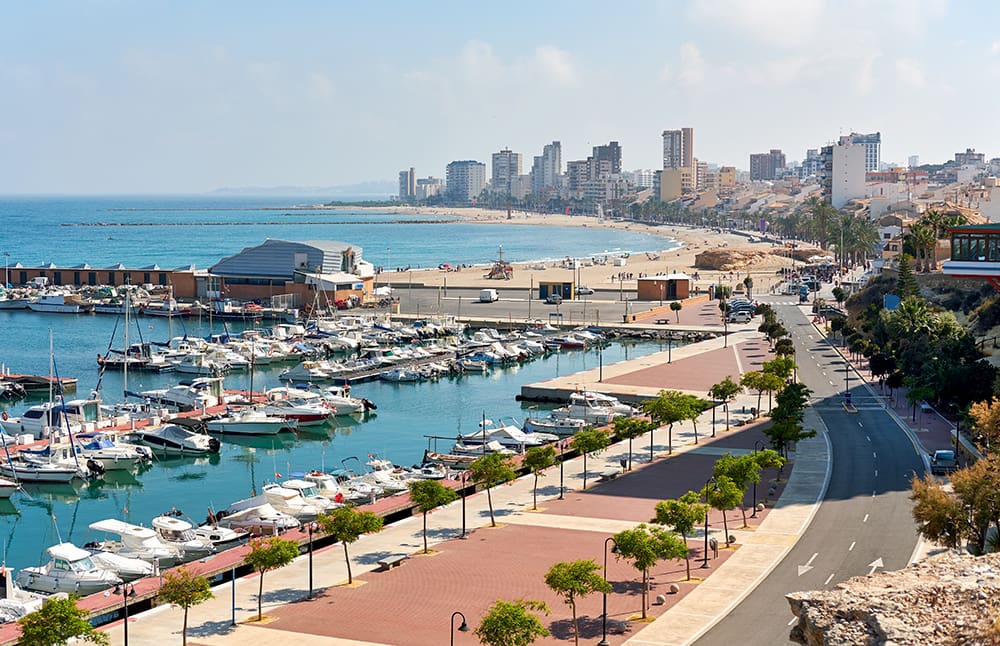
The port is divided into sports and fishing sections. Club Nautico Campello accommodates over 400 boats and hosts water sport competitions. The fishing port operates a fish market with auctions from Monday to Friday.

2. Climate
Summers are hot and humid; winters are cool and windy. Annual temperatures typically range from +7 C to +31 C, rarely dropping below +3 C or exceeding +33 C.
The optimal beach season runs from mid-June to early September. August temperatures peak at +31 C, while winter highs reach +19 C. Sea temperature in August rises to approximately +26 C; in July and September to +24-25 C.
3. How to Get There
El Campello is 30 kilometres from Alicante Airport. Transport options:
- C6 Bus: runs every 20 minutes from the airport to Alicante, then transfer to L1/L3 tram to Campello (25 minutes, EUR 1.45)
- Vectalia Bus No. 21: departs from Teatro 37 stop in Alicante (1 hour 10 minutes, EUR 1.45)
- Taxi: approximately 20 minutes (EUR 45-60)
4. History
El Campello separated from Alicante and became an independent municipality in 1901. The Illeta peninsula was a true island until 1944, when construction created a land isthmus, restoring its historical status as a peninsula.
Archaeological evidence indicates settlement from the late 3rd millennium BC. At the Illeta dels Banyets site, discoveries include: 5th-century BC Iberian settlements (abandoned by the 3rd century BC), a Roman agricultural village with fish-breeding pools, and evidence of Islamic rule from the 11th century.
King Alfonso X of Castile conquered the region in the mid-13th century. In 1304, following arbitration at Torrellas, Campello passed to the Kingdom of Valencia. Two watchtowers - Torre Illeta and Torre del Barranc d’Aigues - were built between 1554 and 1557 to defend against Berber pirates.
Industrial development began in the late 18th century when the first shipyard was built at the mouth of the Rio Seco, laying the foundation for the fishing industry. The railway connection to Denia in 1914 catalysed economic growth. From the 1950s, tourism transformed the municipality.
5. Beaches
El Campello offers diverse coastal landscapes along 23 kilometres of shoreline.
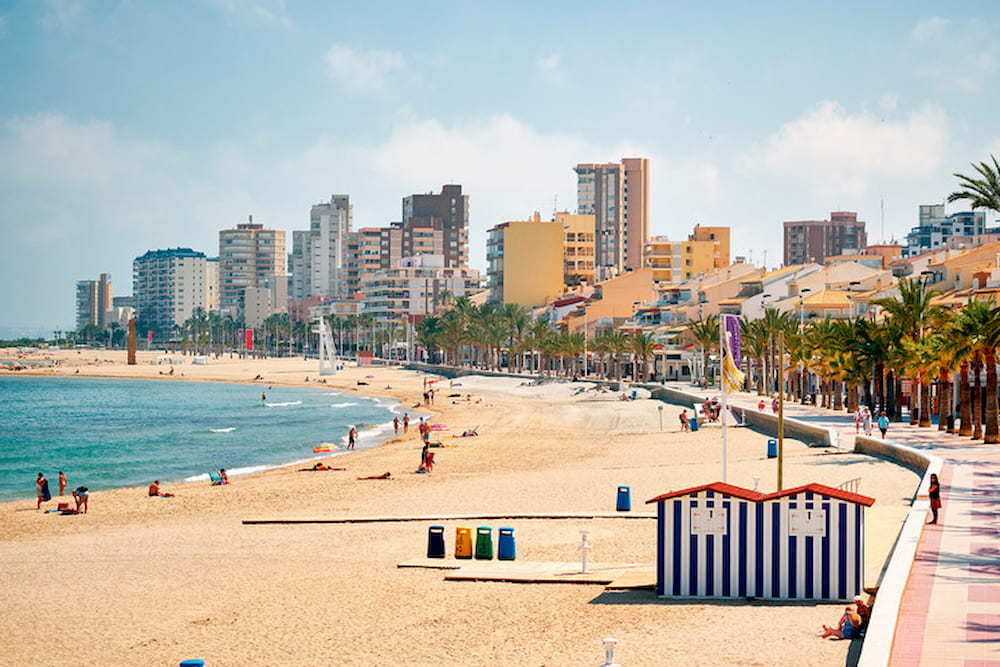
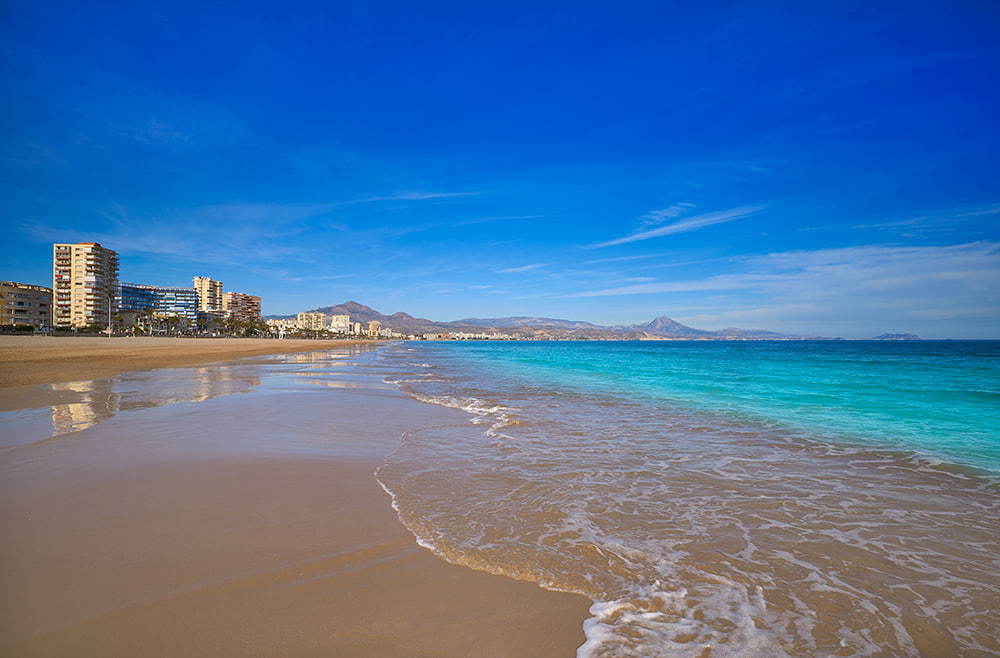
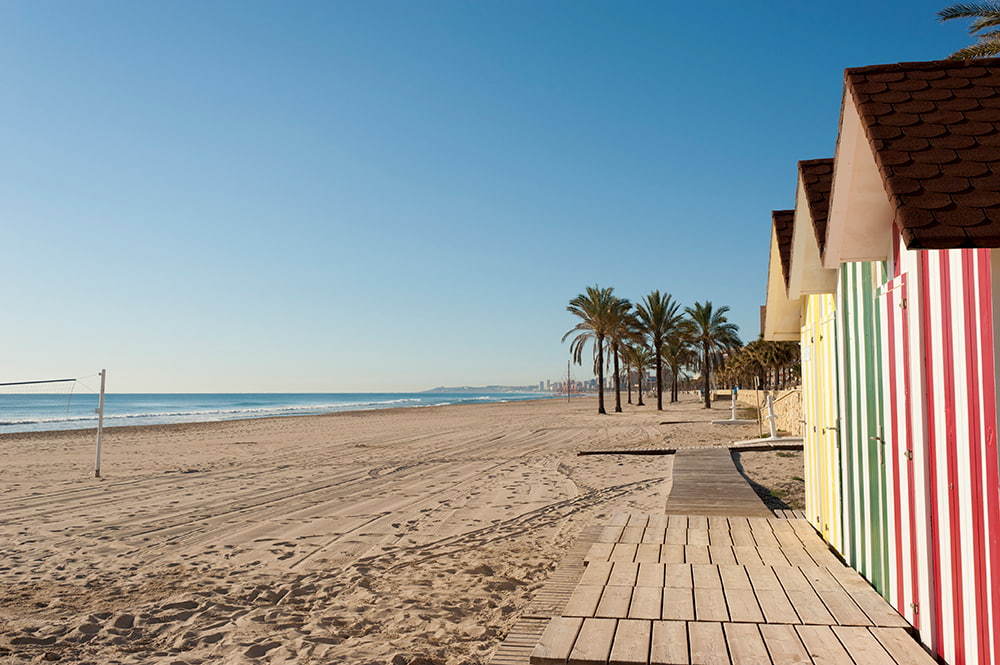
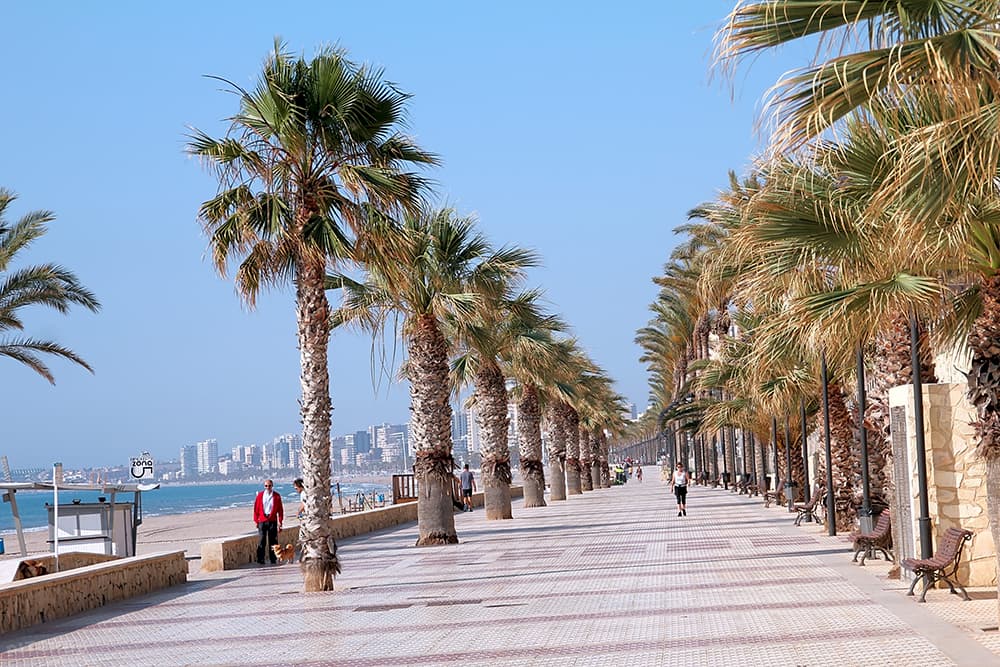
Playa Muchavista is the main beach, 3,300 metres long and 80 metres wide with fine golden sand. A 3-kilometre pedestrian promenade with a modern tram line runs alongside. Summer activities include beach cinema, a beach library, games and sports events. The beach holds Blue Flag and ISO 14.001 (ecology) and ISO 9.001 (service) certifications.
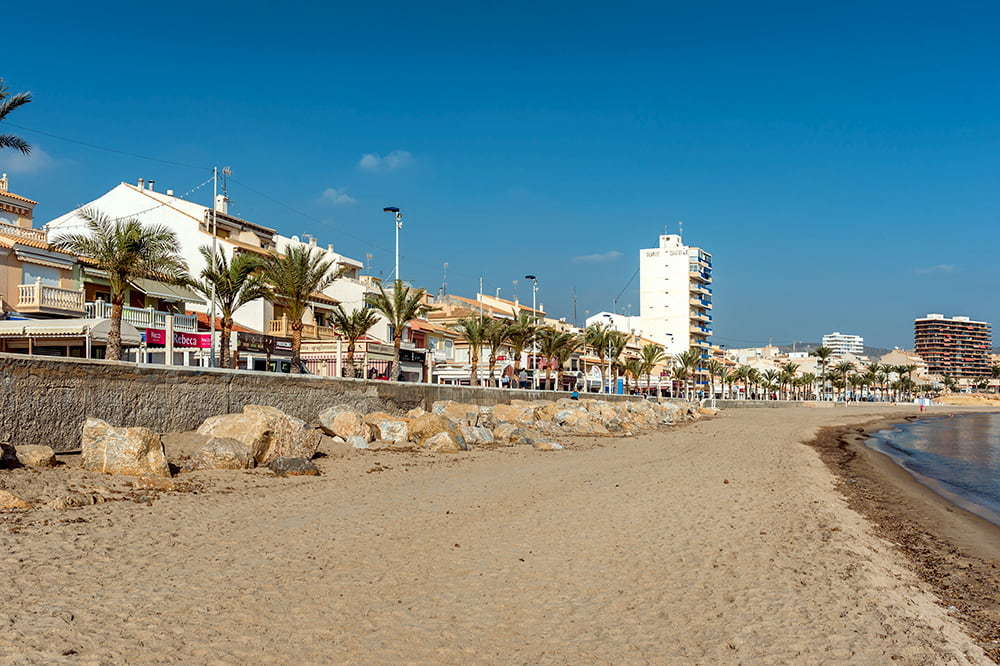
Playa Carrer del Mar stretches 1,850 metres at 75 metres wide near the port and yacht club. Following recent restoration, the beach features a gentle entry ideal for families with children. A one-kilometre Paseo Maritimo promenade with restaurants, ice cream parlours and shops runs along the beach.
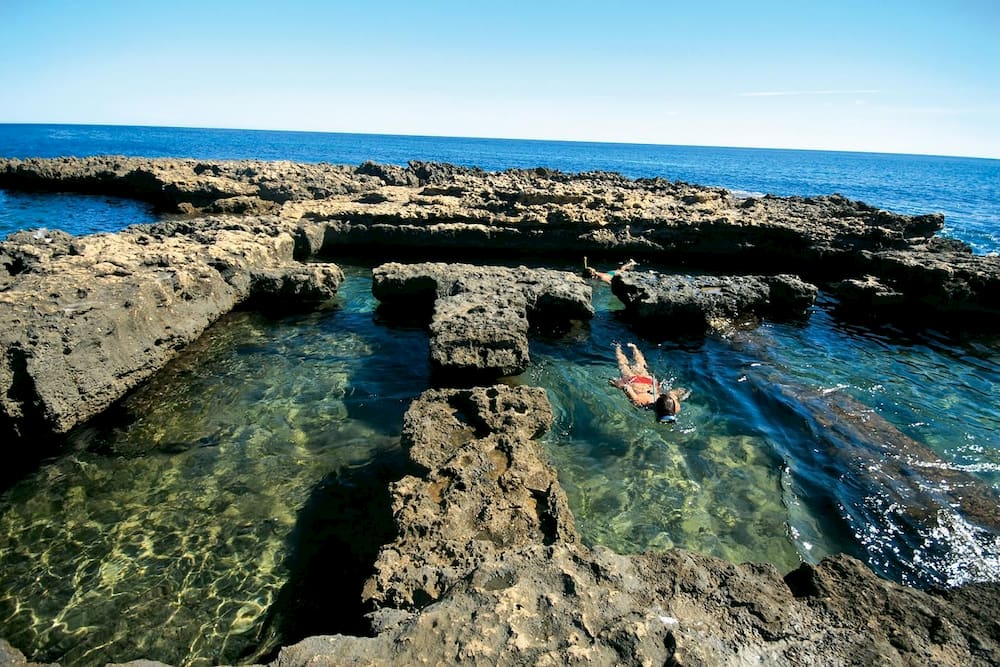
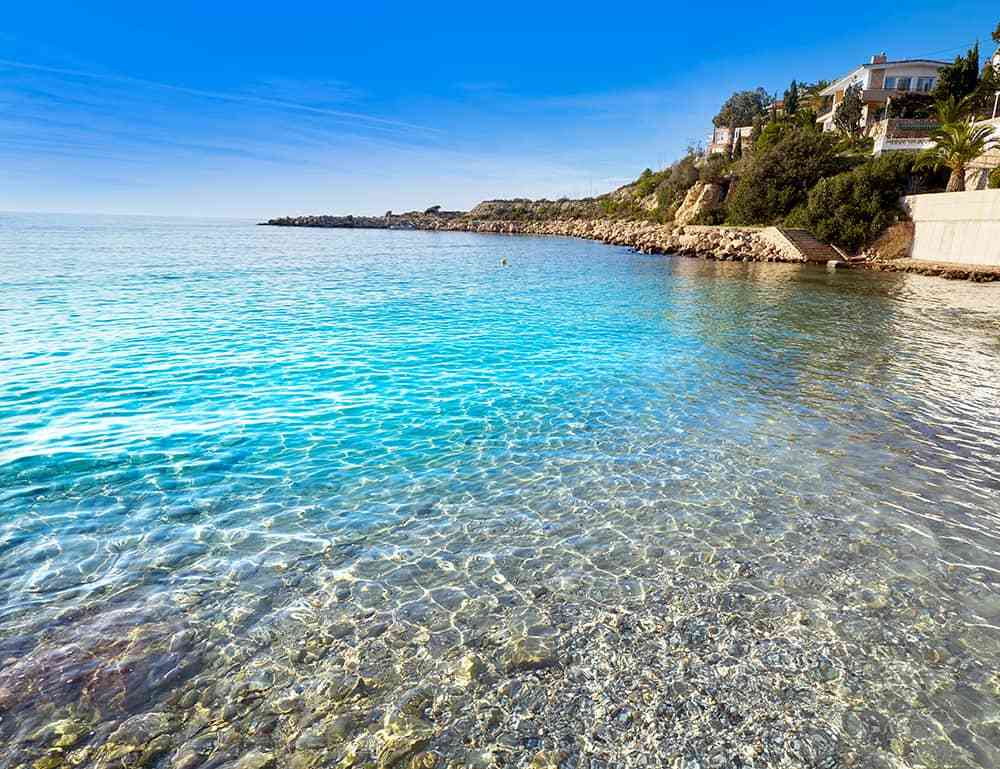
Secondary beaches and coves include: Punta del Riu (an extensive beach at the Rio Seco mouth), Illeta dels Banyets (a rocky platform and cove at the archaeological site, ideal for snorkelling), De l’Almadraba (a semi-urban sandy-gravel beach, 600 metres long), De l’Amerador (a semi-natural gravel beach, 800 metres, calm waters), Cala del Morro Blanc (Coveta Fuma, a shallow cove for family bathing and diving), Del Barranc d’Aigues (a 500-metre natural rocky-gravel beach with deep blue water), Cala Baeza (a scenic golden-sand cove), Cala Llanusa (a 250-metre cove with fine sand, palms and rocks for snorkelling) and others.
An artificial reef stretches 7 km from shore between Coveta Fuma and Carrisal coves, supporting Posidonia seagrass recovery and marine biodiversity. A diving route “Los banos de la Reina” begins at Illeta dels Banyets.
6. Attractions
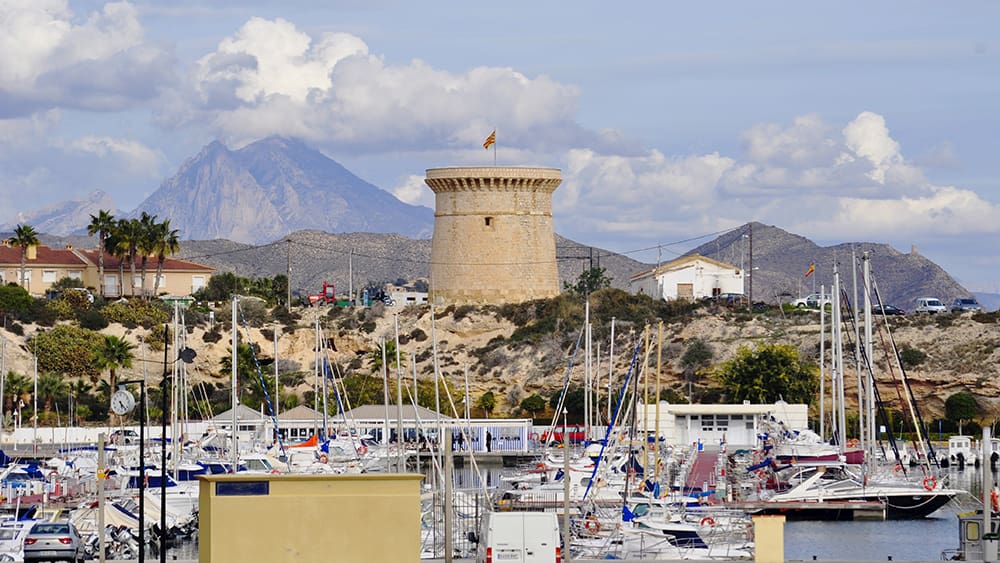
Torre de la Illeta is a truncated-cone watchtower built in 1554-1557 to defend against Berber pirates. Base diameter 6 metres, top 5 metres. The entrance door is at the top, accessed by a moveable ladder. Declared a Cultural Heritage Site in 1991 and restored.
Torre del Barranc d’Aigues (Torre de Reixes) is a 17th-century cylindrical tower, 8 metres in diameter and 10 metres tall, marking the former border between the kingdoms of Castile and Aragon. The upper section shows signs of deterioration.
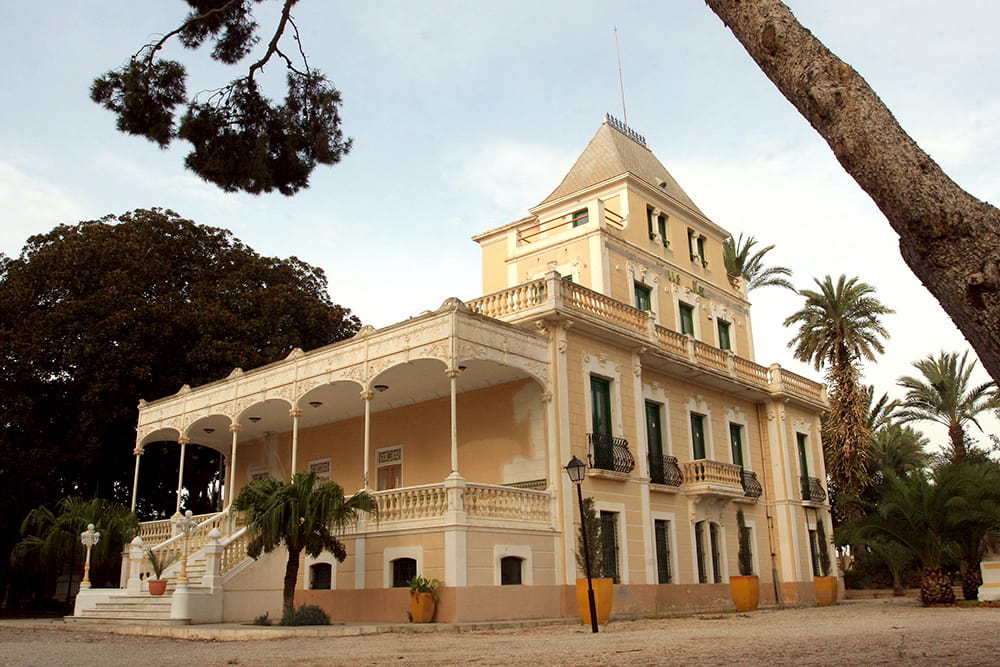
Villa Marco is a mid-19th-century estate near Muchavista beach with Versailles-style gardens created by owner Rene Barden in the early 20th century. The villa combines modernist architecture with French colonial motifs. Gardens feature five zones: “Arab garden” (former orchard), “historical garden”, “entrance garden”, “Mediterranean garden” and an extensive “Mediterranean forest” of pines. Two sculptures by Vicente Banyuls adorn the landscape: “Night” and “La Marseillaise”.
La Voramar Sculpture Promenade begins at Torre de la Illeta and extends to Almadraba beach. This ecological route features six information panels about coastal ecology and three sculptures by Vicente Ferrero: “Bather”, “Torso” and “Reading Girl”, depicting “a woman in complete harmony with the surrounding landscape”.
Plaza Canalejas is a historic square with the Santa Teresa parish church (built in 1849, replacing an earlier late 18th-century structure) and the Rafael Altamira Municipal Library. The square serves as the town’s cultural and social centre.
Ermita de la Virgen del Carmen, built in 1960 with sailors’ donations, is dedicated to the patron saint of seafarers. The painted altar depicts the Virgin as “Stella Maris” - “Star of the Seas”.
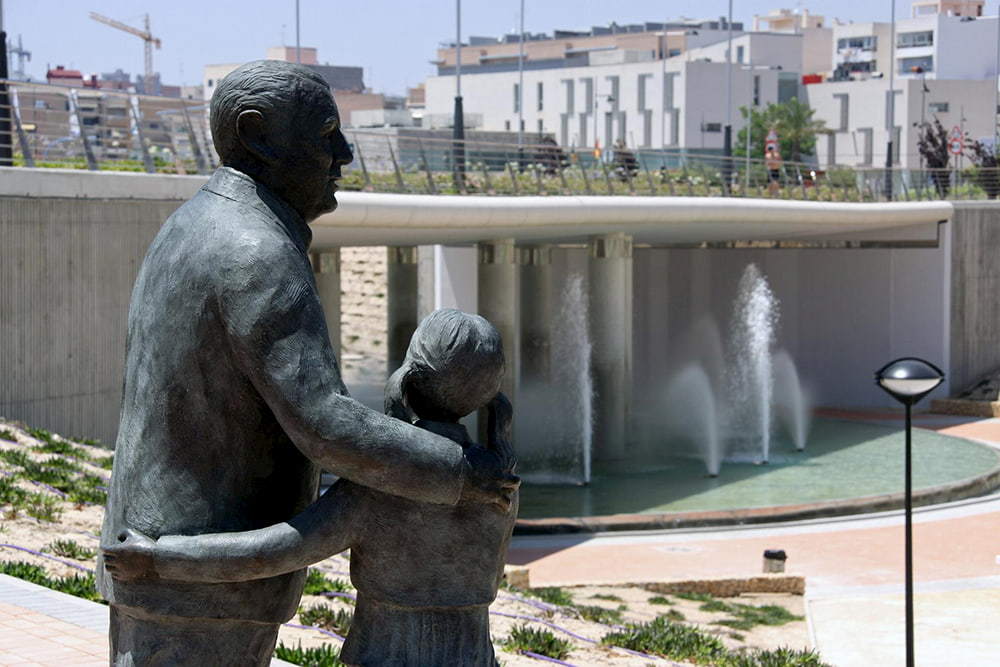
El Campello Municipal Park features the impressive Fuente del Centenario fountain with night lighting. Sculptural compositions by Carmen Fraile depict hemp spinning (the municipality’s oldest craft) and figures of “Grandfather and Girl”, symbolising past and future.
7. Festivals
5 January - Three Kings Cavalcade. Three kings arrive by sea with gifts for children. Festive processions and parades from the port to the Church Square.
17 January - Saint Anthony’s Day (Sant Antoni del Porquet). A traditional parade with animal blessings and distribution of “pa beneit” (blessed bread) in the Church Square.
Pre-Easter carnivals include costume parties, folk games and musical events.
Holy Week (Semana Santa). Residents participate in processions with palm branches. Notable events include the Silence Procession (Jueves de Pasion) and the Holy Burial Procession (Santo Entierro).
16 July - Feast of Our Lady of Carmen (Fiestas de la Virgen del Carmen). Celebrations last several days, including a maritime procession at Carrer la Mar beach and the transfer of the Virgin’s image to the chapel. The hymn “Hail, Queen” (Canto de la Salve) is performed. The festivities conclude with fireworks and a pyromusical show.
9 October - Day of the Valencian Community. Preceded by the “Moors and Christians” festival. Processions, dances and Saint Dionysius Day (La Mocadora de Sant Dionns), when men give women handkerchiefs with marzipan sweets.
11-15 October - Moors and Christians Festival. The Moorish landing takes place at Carrer la Mar beach, followed by embassy presentations, colourful parades and flower offerings. 15 October honours Saint Teresa and Our Lady de las Miseres with a final firework display.
8. Gastronomy and Restaurants
Traditional Alicante cuisine is represented in all its diversity:
- Caldero campellero - fish with vegetables and rice, served with aioli
- Arroz a banda - rice in fish broth with aioli (Valencian dish)
- Arroz meloso - risotto-like dish
- La fideua - paella-style noodles with fish, seafood and lemon
- La olleta borda - bean and vegetable stew (potatoes, pumpkin, turnip, sweet potato, nora pepper, chard, rice, bread, almonds)
- El bollitori - bean, potato, pumpkin and bacalao (salt cod) stew, traditionally prepared at Easter
Notable restaurants include Sensacions (seafood and tapas), Andra Mar (Basque restaurant from the Michelin guide; reservations recommended in high season), El Rancho de la Patata (beach cafe with quick service at reasonable prices), Casa Mar (traditional Spanish cuisine) and El Bon Sol (Spanish and Valencian dishes with sea views).
International cuisine features British restaurant Browns Bar, Indian restaurants Dawat and Star of India (generous portions and friendly staff), Italian La Vela (gluten-free pizza) and L’Antiga Italia, and Asia Li (Chinese, Japanese and Thai dishes).
The annual Tapa-Chupi competition (held since 2008 in late autumn) offers numerous tapas with drinks or dishes for EUR 2.50. Dozens of establishments compete for the best tapas title. The municipality publishes a special map-guide for participants.
9. Hotels
Most accommodation options are modern apartments near or directly on the coast.
Two- to three-bedroom apartments in Campello centre cost EUR 65 to EUR 130 per night depending on season. MyFlats Premium Beachside (kitchen-living room and one bedroom, 200 metres from Muchavista beach) costs EUR 36 in low season to EUR 105 in summer.
Hotels include: La Familia Gallo Rojo (4 stars, 500 m from the central promenade, private terrace, pool, garden, gym, nanny services) - double room EUR 50 to EUR 120. La Familia (3 stars, on the promenade with beach views) - EUR 50 to EUR 100. San Juan (2 stars, near Muchavista beach, pool, gardens, restaurant) - EUR 50 in low season to EUR 155 in summer.
10. Property in El Campello
El Campello experienced significant growth from the 1970s: the population increased over 100% between 1990 and 2005. This growth reflects tourism development and the municipality’s role as a suburb of Alicante.
Current population: 28,349 (including approximately 5,000 foreigners, predominantly EU citizens). Housing stock: 25,469 properties, of which 3,947 (15.5%) are detached houses, the rest apartments. 1,049 (6.12%) properties are rented.
Construction volume grew from 450-500 to 650 homes per year, representing 26.2% of total housing stock. In Q1 2020, a 41% increase was recorded compared to Q4 2019. El Campello ranks fifth nationally for new construction volume (163 properties), after Orihuela (350), Alicante (231) and Torrevieja (167).
Average new-build cost per square metre: EUR 2,200.
Muchavista zone: predominantly multi-storey residential buildings with sea views, detached houses with plots and bungalows. Average price: EUR 2,296/m2 (June 2020, 5.1% annual growth). Suitable for both summer holidays and year-round residence.
Town centre: low-rise older buildings near the coast; modern high-rises further inland. The sea is walkable. Housing stock is predominantly apartments. Seafront averages EUR 1,841/m2; further inland EUR 1,177/m2.
Northern district: predominantly bungalows, detached houses and villas with near-universal sea views. Offers homes with gardens away from urban bustle. Average price: EUR 1,654/m2.
Purchasing a holiday home is the most advantageous option, both for personal use and investment. The municipality lives year-round, attracting foreigners seeking a quieter life compared to Alicante. Seasonal tourists value the clean and beautiful beaches.