Energy Efficiency certificate
Contents
What is an energy efficiency certificate?
Is EPC mandatory?
When is an energy efficiency certificate not required?
For what types of residential property is an energy certificate required?
How to obtain a certificate (Certificado de Eficiencia Energetica)?
How to obtain an energy certificate for a building in Spain?
How to obtain an energy efficiency certificate for a house in Spain?
What information is indicated in the energy efficiency certificate?
Is the Certificado de Eficiencia Energetica permanent?
Energy efficiency certificate in Spain — Conclusions

1. What is an energy efficiency certificate?
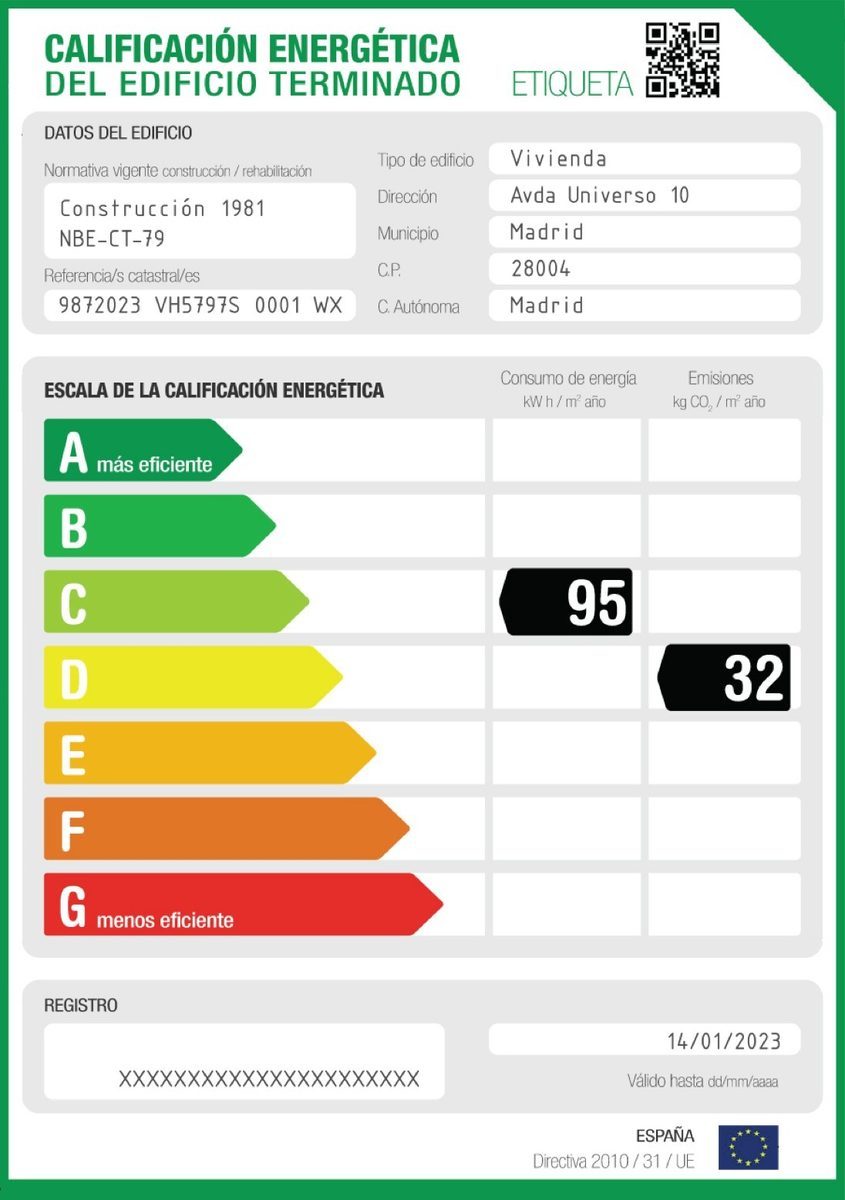
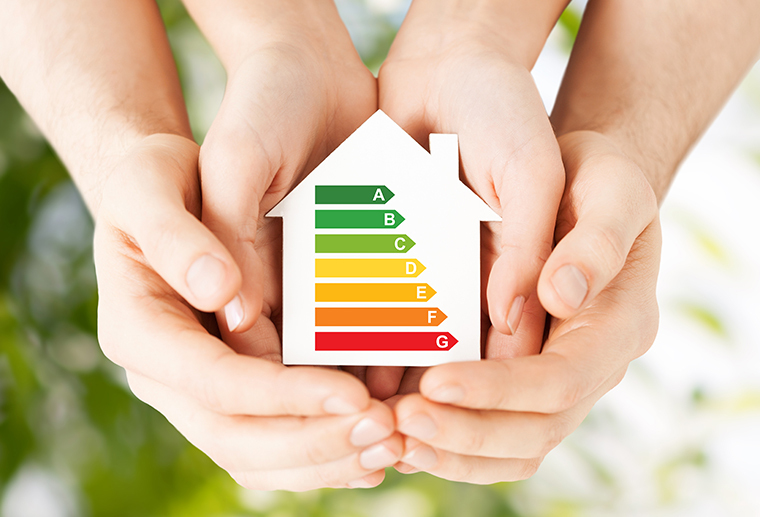
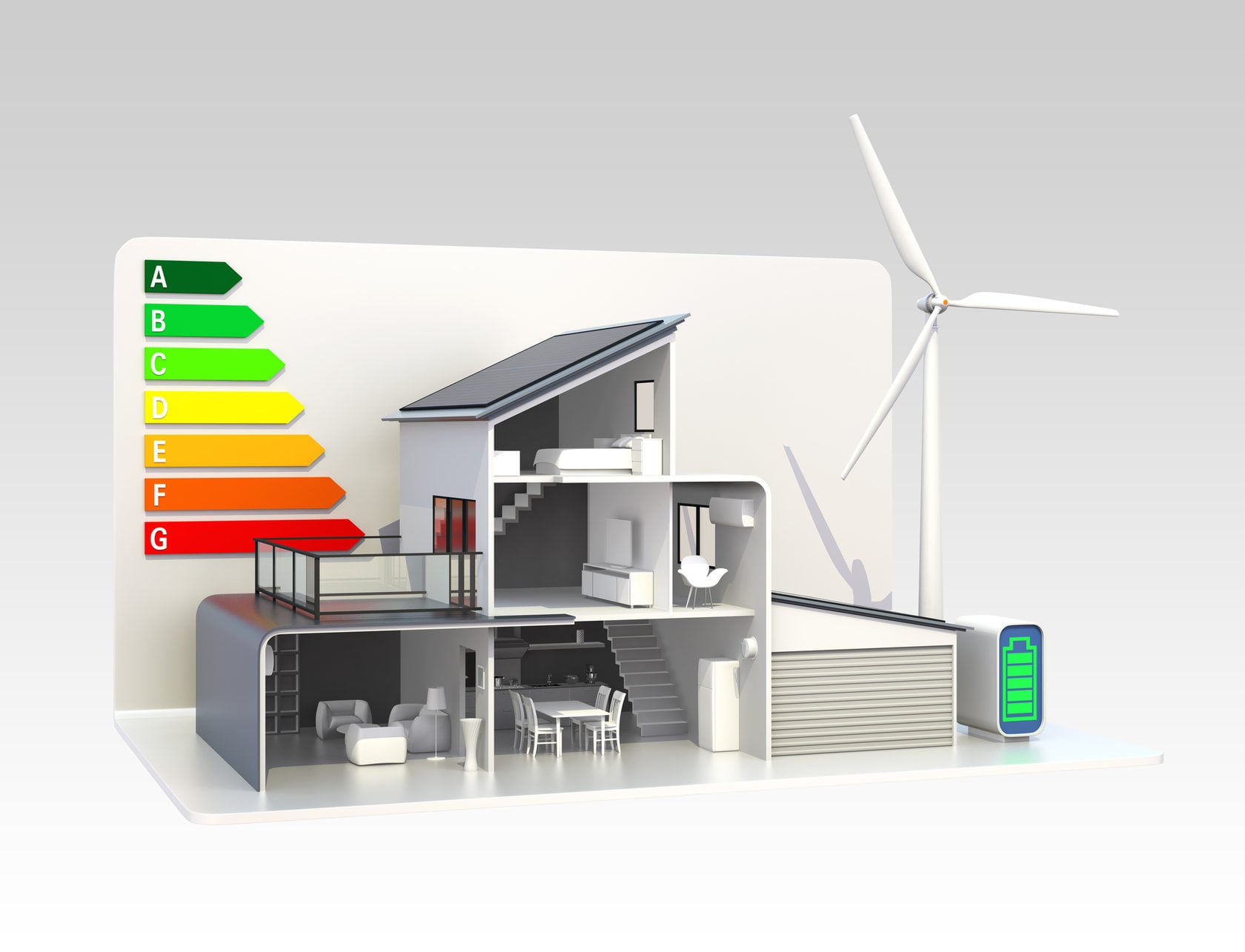
An energy efficiency certificate (certificado de eficiencia energética) is a document containing an assessment of energy consumption of residential premises or their parts (offices, shops), as well as recommendations for reducing energy consumption. Properties are assigned a letter rating from A (most efficient) to G (least efficient) based on annual energy consumption under standard operation.
The certificate records two key parameters:
- Level of electricity consumption.
- Level of carbon dioxide (CO₂) emissions.
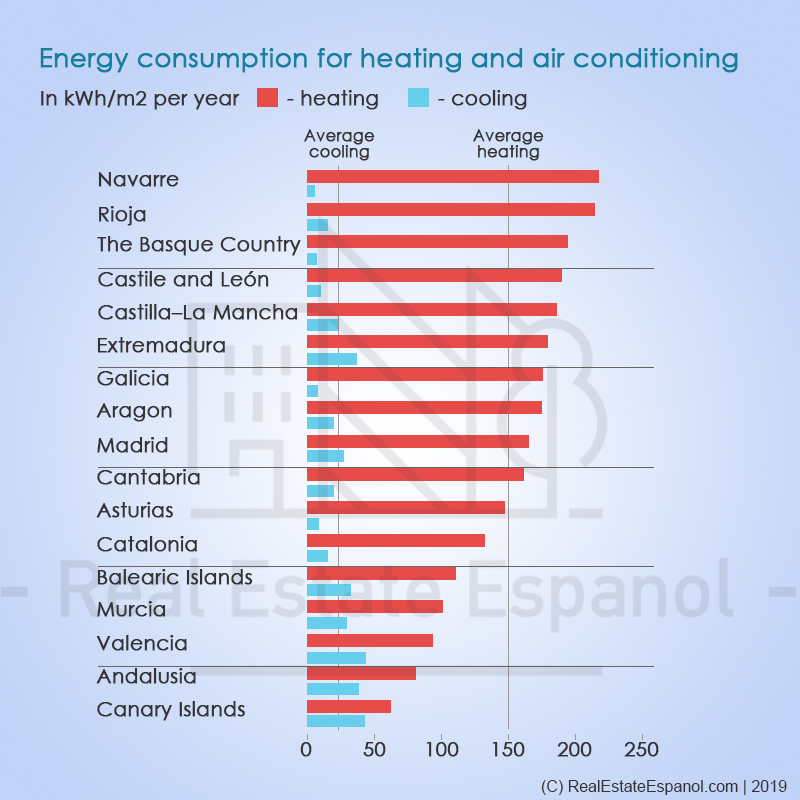
What is energy labeling?
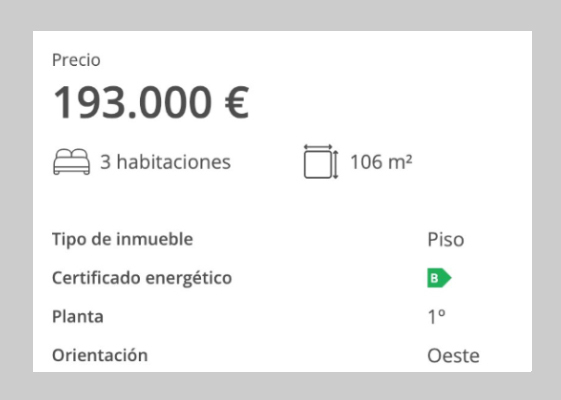
Energy labeling (etiqueta energética) is a scale of energy efficiency classes that must be indicated in advertisements for the sale and rental of real estate on Spanish portals. The classes are distributed as follows:
- Class A (dark green): consumption close to zero, less than 50% of the Spanish average.
- Class B (light green): consumption approximately half below average.
- Class C (yellow-green): 10–25% below average.
- Class D (yellow): up to 10% below average.
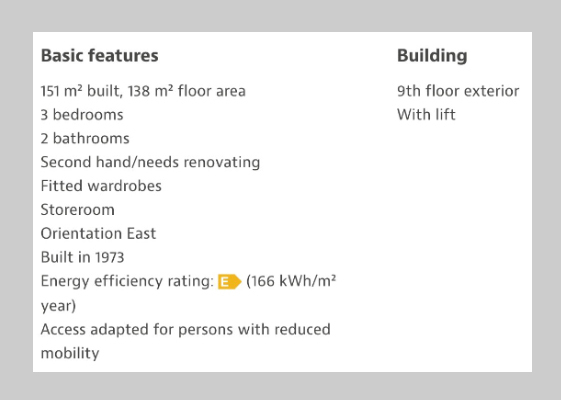
- Class E (light orange): average indicator for the country. The most common class, particularly in the Valencian Community.
- Class F (orange): up to 25% above average. Characteristic of buildings older than 40 years.
- Class G (red): the most inefficient. 25% and more above average consumption.
2. Is EPC mandatory?
According to Royal Decree 235/2013 (Real Decreto 235/2013), which came into force on June 1, 2013, all owners selling or renting real estate built before 2007 are required to obtain an energy efficiency certificate.
Penalties for violating this requirement range from €300 to €6,000 depending on the severity of the violation.
What happens if you don’t have an energy efficiency certificate (EPC)?
Violations are divided into three categories:
Very serious violations (infracciones muy graves):
- Providing false data when issuing or registering a certificate.
- Hiring an unqualified specialist (técnico certificador) to issue a certificate.
- Using an unregistered certificate.
Serious violations (infracciones graves):
- Violating the methodology for calculating energy efficiency.
- Failure to register the certificate with the autonomous community authority.
- Non-compliance of labeling with the actual rating.
- Sale or rental of real estate without a valid certificate.
Minor violations (infracciones leves):
- Posting an advertisement without indicating the energy rating.
- Absence of energy efficiency labeling.
- Issuing an incomplete certificate.
- Non-compliance with obligations to update the certificate.
- Absence of record in the housing registry.
In addition to fines, a tenant or buyer can file a lawsuit against the owner. A purchase or rental transaction can be completely annulled for violating consumer rights.
3. When is an energy efficiency certificate not required?
The following objects are exempt from the obligation to obtain a certificate:
(a) Buildings officially protected as architectural or historical monuments, if improving energy efficiency would lead to unacceptable changes to their character.
(b) Buildings used exclusively for religious ceremonies.
(c) Temporary structures with an operating period of no more than 2 years.
(d) Industrial, defense, and agricultural non-residential buildings with low energy consumption.
(e) Detached buildings with a total useful area of less than 50 m².
(f) Buildings acquired for major renovation or demolition.
(g) Buildings used less than 4 months per year, with expected energy consumption less than 25% of the annual volume under full operation (confirmed by owner’s declaration).
Rental agreements concluded before June 1, 2013, are also exempt from this requirement.
4. For what types of residential property is an energy certificate required?
Newly constructed buildings.
Buildings or parts of existing buildings that are sold or rented to a new tenant, provided they do not have a valid certificate.
Since 2018 — residential buildings older than 50 years. They are required to have a building evaluation report (informe de evaluación del edificio) and, as part of it, an energy certificate, even if they are not planned for sale or rental.
5. How to obtain a certificate (Certificado de Eficiencia Energetica)?
The certificate obtaining procedure consists of the following stages:
Specialist selection. The owner chooses an accredited technician (técnico certificador) to conduct an inspection at the property. The specialist collects necessary data, including building permits and photographs.
Documentation preparation. Using specialized software, the technician prepares an official report.
Submission to ministry. The document is sent to the Ministry of Industry, Trade and Tourism (Ministerio de Industria, Comercio y Turismo) for confirmation. The confirmed document is returned in electronic format (PDF).
Transfer to client. The technician sends the confirmed conclusion to the owner by email or other means.
Registration. Within 30 days, the owner must register the certificate with the local administration. After registration, an energy label is issued, which must be indicated in advertisements.
Who can issue an energy efficiency certificate?
Technical engineers (ingeniero técnico), industrial engineers (ingeniero industrial) and architects (arquitecto) who have the appropriate permit have the right to issue certificates. Private companies specializing in certification also provide this service. The specialist must be registered with the corresponding chamber of Spain, and their registration number confirmed by the Ministry.
How long does it take to issue an energy rating certificate?
The total time consists of two parts:
Time required by the technician to conduct the assessment and prepare the certificate.
Time required by authorities (depends on the province) to register and issue the energy label.
Usually the procedure takes from one to two weeks. However, registration times vary significantly depending on the region: in some autonomous communities (Andalusia, Extremadura) registration takes place on the same day, while in others (Aragon) it can take from 2 to 6 months.
How much does obtaining a certificate cost?
The service cost is approximately 1 euro per square meter. Approximate prices:
- Studio — from €150.
- Villa or commercial premises — from €300 to €600.
6. How to obtain an energy certificate for a building in Spain?
For newly constructed buildings, certification is carried out before and after completion of construction. The responsibility for obtaining the certificate lies with the developer (promotor).
For existing buildings, the certificate is prepared by a qualified technician chosen by the owner in the procedure described in section 5.
7. How to obtain an energy efficiency certificate for a house in Spain?
The procedure for obtaining a certificate for a residential house is similar to the procedure for buildings. The owner contacts a qualified technician or a private company specializing in certification. In addition to the certificate itself, the owner receives information about the current level of energy consumption and recommendations for reducing it.
8. What information is indicated in the energy efficiency certificate?
Identification of the certified building.
Description of inspections conducted by the technician, collected data and energy characteristics of the property (operating conditions, thermal comfort, lighting, indoor air quality, etc.).
Energy rating on a scale from A to G, recording two parameters: electricity consumption level and CO₂ emission level. Class A means minimum energy consumption, class G — maximum.
Recommendations for reducing energy consumption and improving property energy efficiency.
Assessment of upcoming housing maintenance costs: calculation of annual energy consumption under standard operation, assessment of possible savings, current electricity prices and preliminary cost estimate.
9. Is the Certificado de Eficiencia Energetica permanent?
The certificate is valid for 10 years. After preparation, it must be registered with the appropriate authority of the autonomous community (comunidad autónoma).
The owner can renew the certificate early if the energy consumption level has decreased due to the installation of energy-saving equipment or building reconstruction.
10. Energy efficiency certificate in Spain — Conclusions

If you plan to sell or rent real estate in Spain, you need to obtain an energy efficiency certificate. Without this document, the notary will not complete the transaction.
How to make your home more energy efficient?
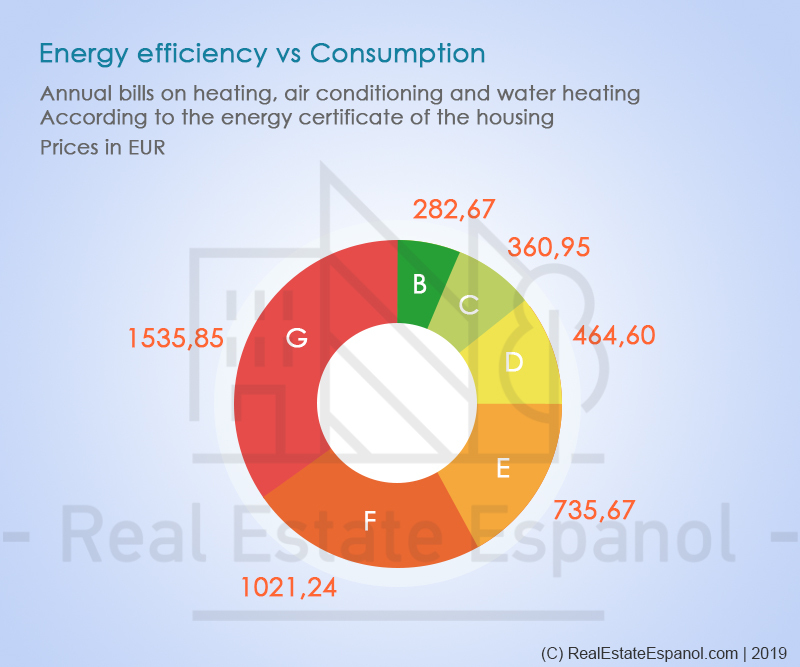
Example of heating, cooling and hot water costs for a 70 m² apartment:
- Class E (national average): about €735 per year.
- Class B (efficient): about €282 per year.
- Class G (inefficient): up to €1,535 per year.
Six ways to reduce energy consumption:
- Choosing appliances with labeling from A+++ to D.
- Installing double-glazed windows for improved thermal insulation.
- Switching to LED lighting — LED lamps consume 80% less energy compared to incandescent bulbs.
- Maximum use of natural lighting.
- Reviewing contractual power of electricity supply — reducing to the actually required level.
- Modernizing heating, cooling and hot water supply systems, using thermostats.