Coronavirus Prevention: How to Protect Yourself and Your Loved Ones at Home
Contents

Forewarned is forearmed.
The planet is under quarantine due to the widespread spread of the new COVID-19 virus. China took the first wave, then Italy and Spain became the main centers of the disease in Europe.
Working in Spain and facing the pandemic earlier than many, we can share the experience of fighting coronavirus from Spanish doctors and scientists. What do we know at the moment and how to protect ourselves?
Where can you get infected with coronavirus?
How not to get infected
How to clean your home during a pandemic
Conclusion
1. Where can you get infected with coronavirus?
The first thing we can do for our loved ones’ health is minimize risks. Globally, we are now in self-isolation, but sometimes we still have to go to the store or pharmacy, deal with urgent paperwork, not to mention that many people still need to go to work.
By identifying points of contact with the virus, we can avoid infection by changing our habits and adding new ones to our daily lives.
The virus is transmitted from person to person through airborne droplets — that’s exactly why the government introduced quarantine and social distancing. But not only that.
Outside the human body, coronavirus feels great in the air at low temperatures. But even at a temperature of about 22°C and 40% humidity, the virus can remain in concentrations sufficient for infection for up to 3 days.
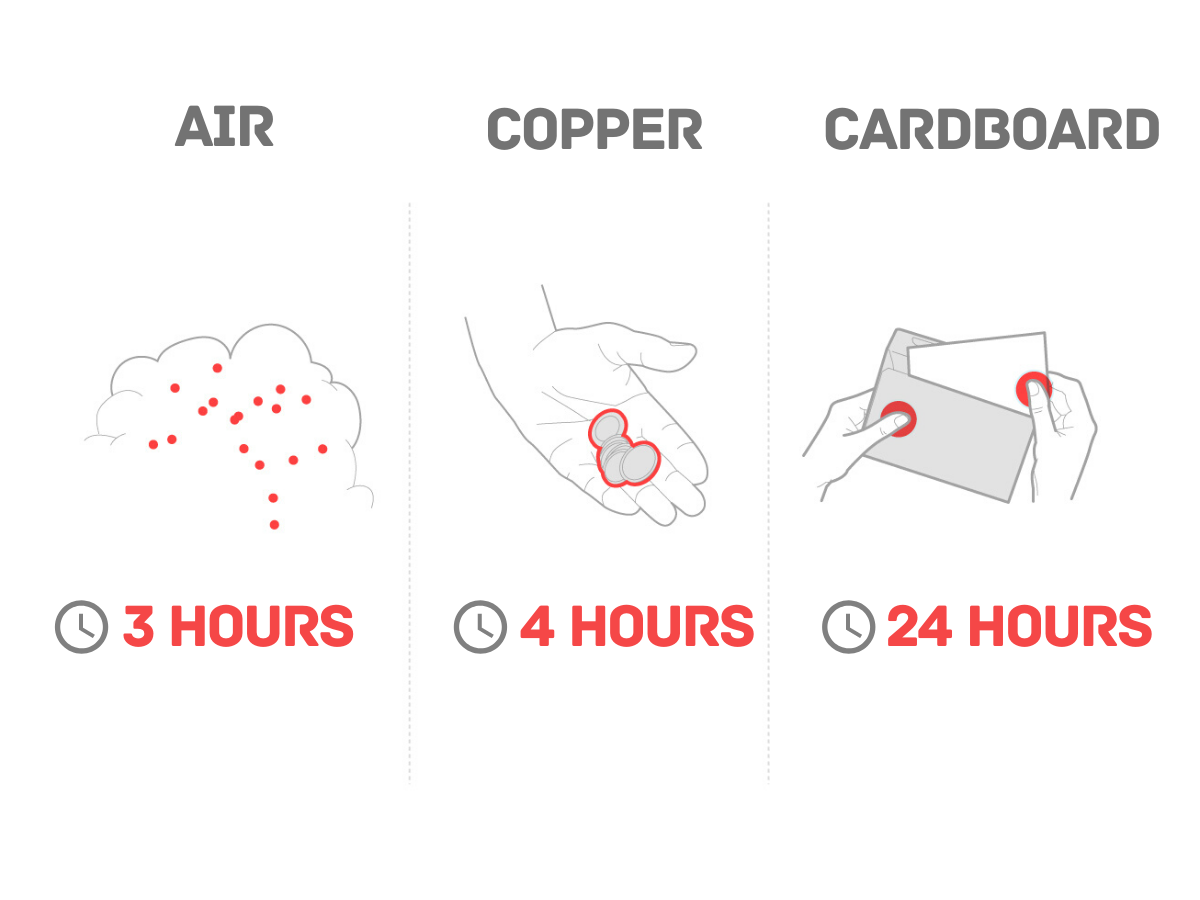
One of the first things to keep in mind is the virus’s lifespan outside the carrier’s body. According to research, the survival time of SARS-CoV-2 amounts sufficient for infection varies from three hours to three days. Why is this important? We can come into contact with the virus without noticing it, bring it home on clothes, hands, and other objects. Knowing this, we can take necessary self-protection measures.
Here’s how long the virus lives in five of the most studied environments we most frequently contact daily.
In the air — up to 3 hours
An infected person can spread viruses within a 2-meter radius. Due to their microscopic size, viruses can remain in the air for up to 3 hours. This is especially relevant indoors or in places where there is no constant air movement.
Remember that the virus is released not only when coughing and sneezing, but also when talking and breathing, while a person may not have obvious symptoms of the disease. Therefore, it is extremely important to maintain distance and not stay in poorly ventilated rooms. But opening windows at home is completely safe, and regular ventilation is recommended.
On copper — up to 4 hours
The virus can survive on copper coins for up to 4 hours, so prefer contactless payment methods.
On paper and cardboard — up to 24 hours
Paper and cardboard are things we constantly encounter: from documents to product and goods packaging. This means that all unnecessary packaging should be carefully disposed of, and then hands should be thoroughly washed.
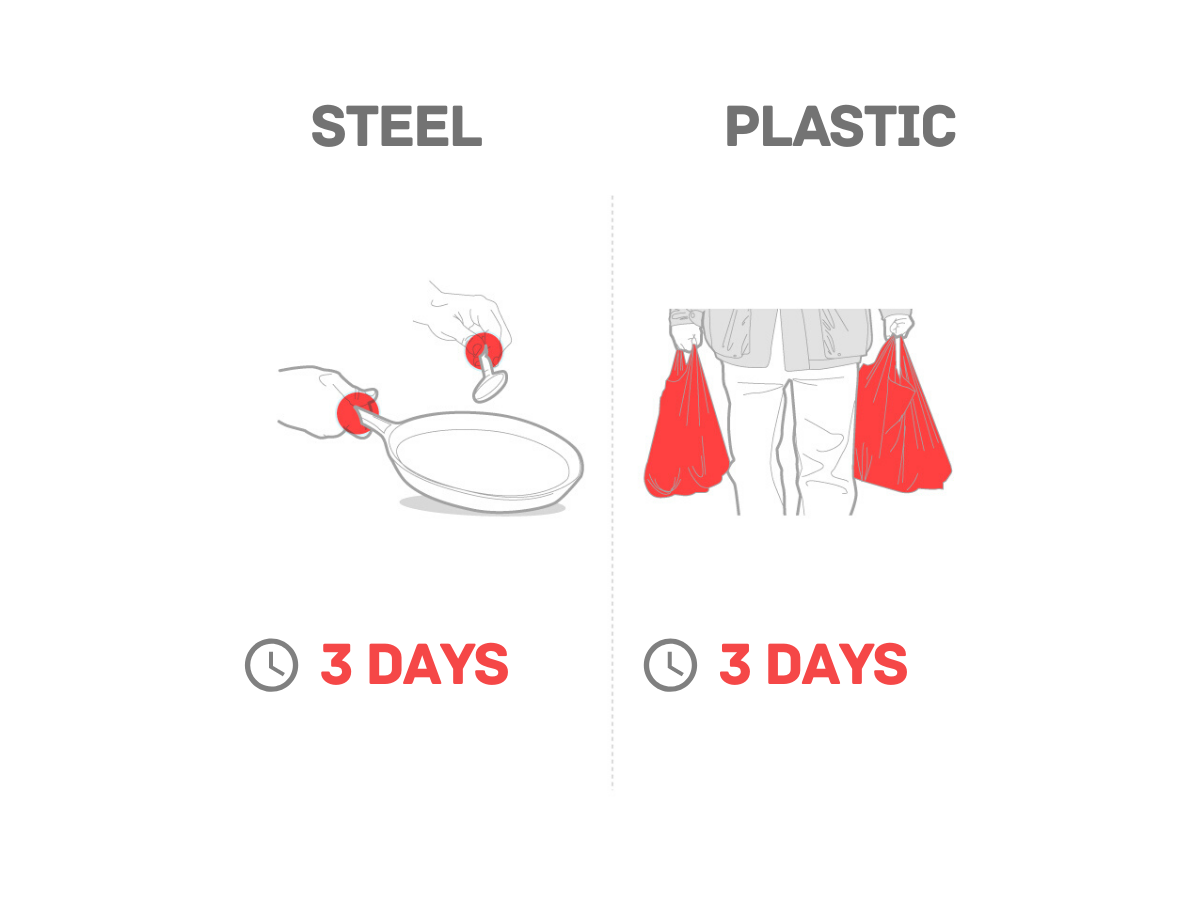
On steel surfaces — up to 3 days
Steel surfaces we often touch include door handles, water taps, and elevator buttons.
On plastic — up to 3 days
Plastic surrounds us everywhere: buttons, handles, bags, packaging, phones, cards. The good news is that most things can simply be washed with soap and water, including credit cards. If your phone is in a case, remove it and clean with regular soapy water or dish soap, and carefully wipe the phone itself with an alcohol-based disinfectant.
2. How not to get infected
Despite the high contagiousness and speed of coronavirus spread, simple but effective steps will help avoid infection. Self-isolation is the most effective method. If you have to leave home, follow these rules.
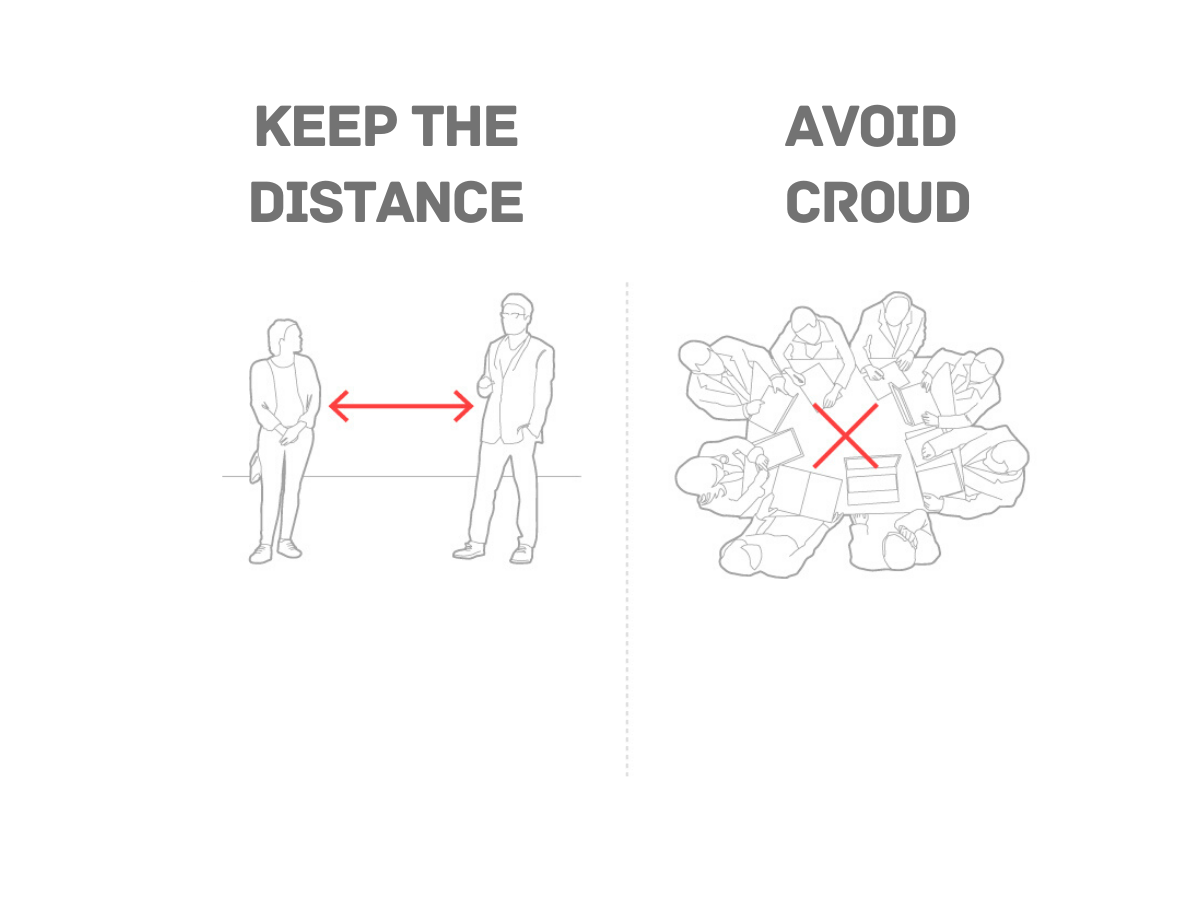
Maintain distance
The distance at which the virus can be transmitted from person to person is about 2 meters. Therefore, when leaving home, don’t get closer to other people than 2 meters. If someone is standing next to you in a store, move away.
Follow self-isolation regime
Most importantly — avoid unnecessary contacts. Be reasonable, don’t look for reasons to meet. Avoid crowds, remember that it’s better to walk than use public transport. Don’t invite friends over and don’t plan to visit anyone.
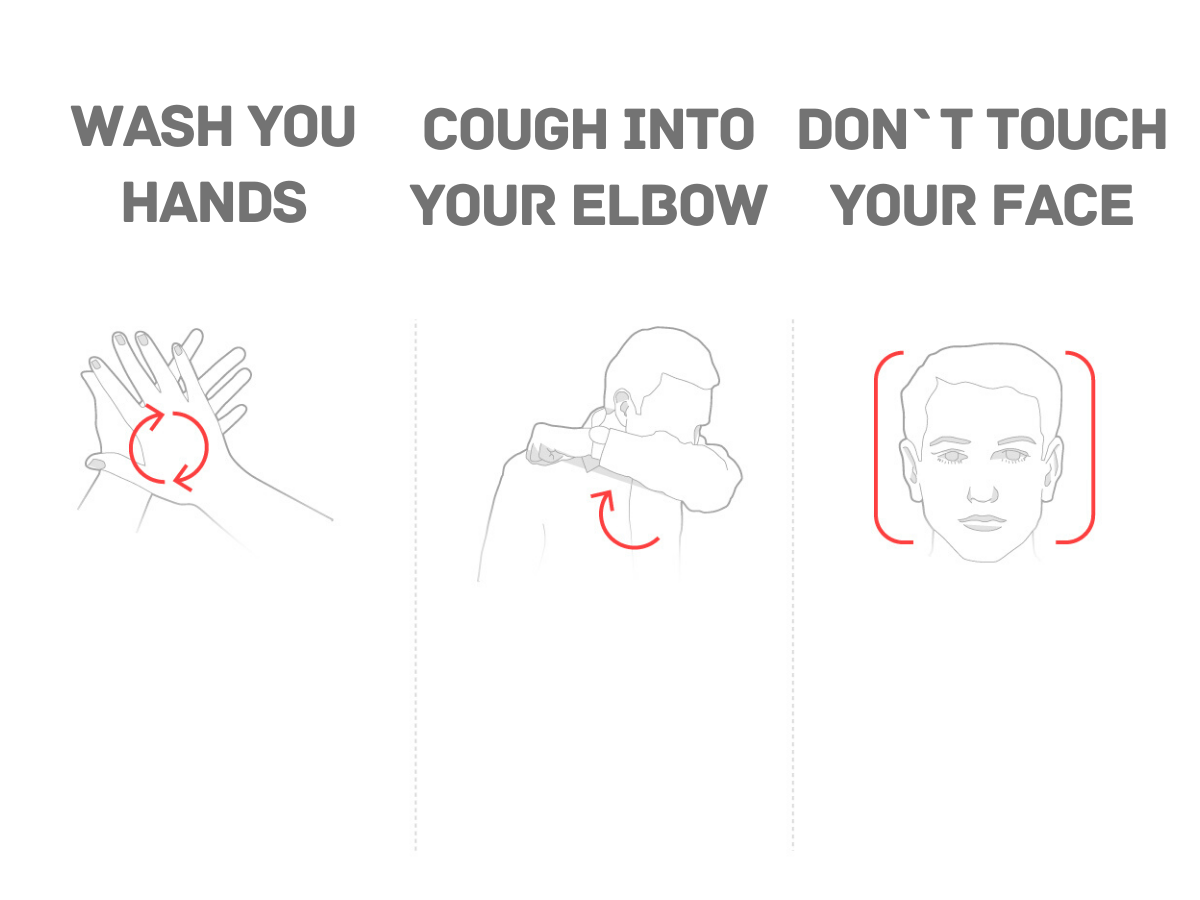
Wash your hands
The virus, despite its danger, is destroyed by soap in 20 seconds. Therefore, the habit of washing hands is the most important thing you can do for your protection! The main thing is to do it correctly: wash your hands for at least 20 seconds, thoroughly washing all areas. Wash as often as possible, after each possible contact with surfaces where the virus could be. If you can’t wash your hands, use disinfecting solutions — alcohol content should be at least 75%. WHO recommends using ethanol or isopropanol-based products.
By the way, when coming from the street, you should wash not only your hands but also glasses if you wear them.
Cough into your elbow
Viruses spread most when coughing and sneezing, and the habit of covering your mouth with your hand guarantees their further spread to all surfaces you touch. Therefore, develop a new habit: when coughing and sneezing, use your elbow or upper sleeve instead of palms. Or use a paper towel, which should then be immediately thrown away following safety measures.
Don’t touch your face
COVID-19 enters the body through mucous membranes, and it doesn’t penetrate from hands by itself. But everything is not as simple as it seems. If there was no direct contact with an infected person, you can pick up the virus by touching goods and surfaces where it is located, and then rubbing your eyes or touching your mouth. Why? Because we constantly touch our face without even thinking about it. Now we need to change habits and track our movements. At first it’s difficult, but your health and the health of your loved ones are worth it.
3. How to clean your home during a pandemic
If all members of your family are healthy, basic COVID-19 protection measures are sufficient during self-isolation. Regular wet cleaning, ventilation, washing at the maximum temperature allowed for the fabric, and washing dishes at high temperature are the most effective steps in household mode. Wiping surfaces, handles, and switches makes sense if you regularly leave home.
If one family member has contracted COVID-19, this doesn’t mean the rest will necessarily get infected. It’s important to observe special precautions by adding new rules to your daily routine.
First of all, it’s necessary to isolate the patient in a separate room and allocate a separate toilet for them. They should also have their own set of dishes, towels, and bedding. Leave food and drinks at the door and minimize personal contact. Maintain communication through mobile phone or monitor screen. Yes, this is quite sad, but there’s no other way.
Thorough daily cleaning will also be required to prevent virus spread. Special attention should be paid to surfaces the infected person may have touched and their protective equipment. Wear a protective mask and gloves for any contact.
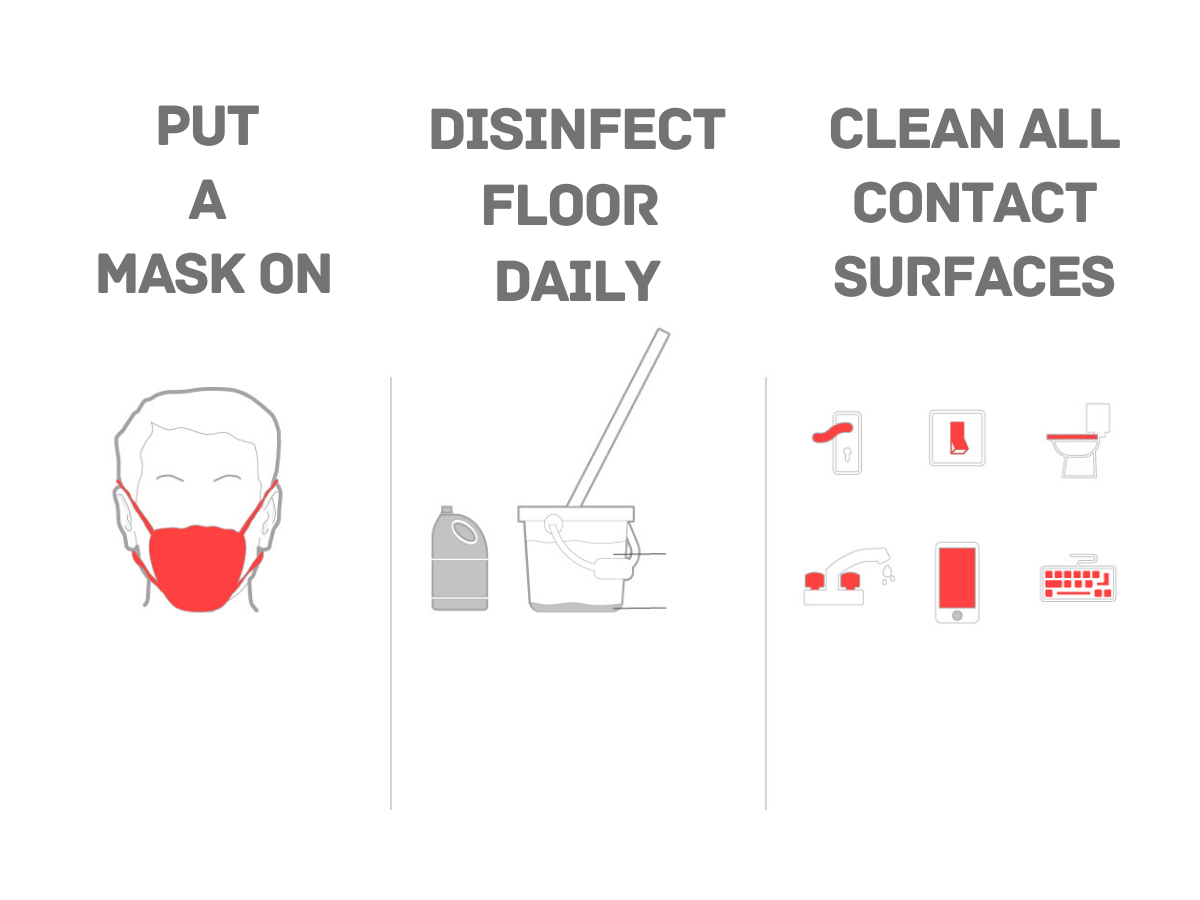
Wear a mask and gloves
When making personal contact and cleaning rooms shared with the virus carrier, wear a mask and gloves. Follow the terms and rules for their wearing and disposal.
Regular cleaning
Conduct daily wet cleaning using disinfectants.
Disinfect contact surfaces
Remember that the virus can live on many surfaces for several days, so regularly wipe all contact surfaces: door handles, switches, taps, toilets, phones and keyboards, tables, windowsills. Think about things that are touched most often in your home.
Wash dishes with hot water
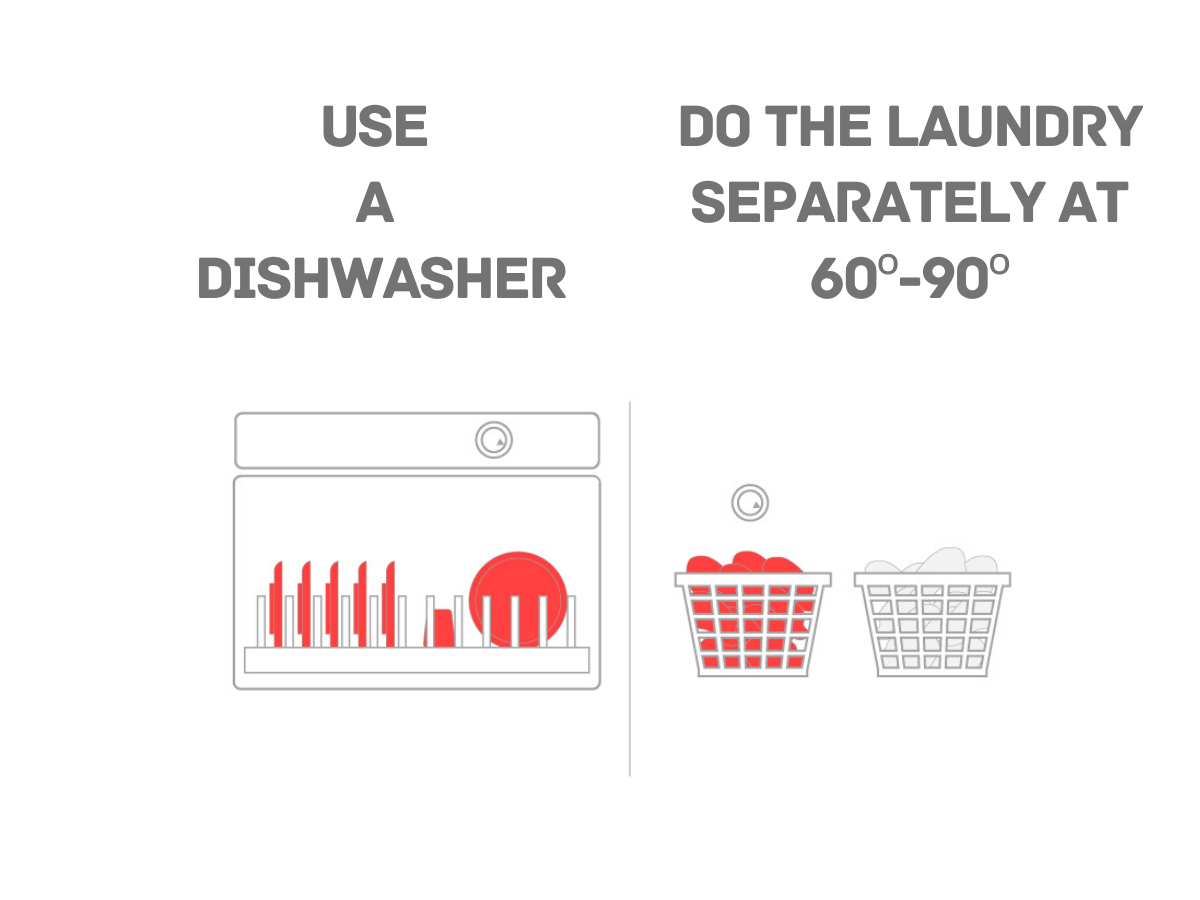
If you have a dishwasher, use it at 60°C and above. If you wash dishes by hand, be sure to wear gloves, wash with plenty of foam, and use a separate set of dishes for infected family members.
Wash separately
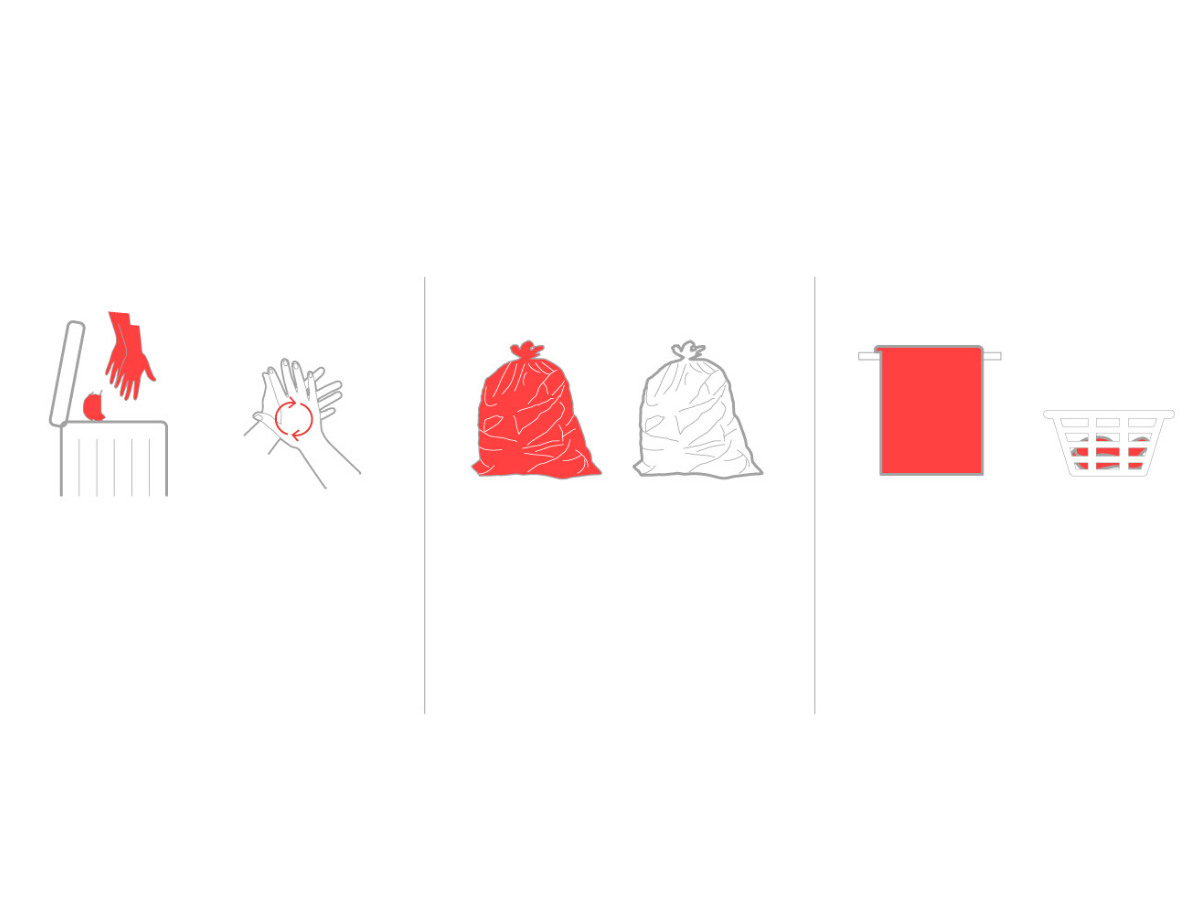
Clothes, bedding, and towels of the infected are best washed separately at 60–90°C. Choose clothes that can be frequently washed at high temperatures.
Follow waste disposal rules and use of protective equipment
Used gloves and masks must be properly removed, placed in a bag, and only then in the trash bin. Collect all household waste from the infected person in a separate garbage bag, then in another bag and throw away. Don’t put the patient’s laundry and clothes in the common laundry basket. It’s best to store items for washing in a garbage bag and wash them separately at high temperature.
4. Conclusion
In conclusion, we want to remind you of the need to care not only for yourself. While in quarantine, think about the environment. When going to the store, don’t take a bunch of plastic bags that you’ll throw away in a minute. Don’t throw gloves, masks, and bags on the street — be responsible and reasonable. The quarantine will end, but the trash in your neighborhood will remain.
The best way to avoid the virus now is self-isolation and social distancing. And the most effective protection during this time is your common sense and following elementary rules. It’s not as difficult as it might seem at first glance.
Take care of yourself!