When will the quarantine end in Spain and what to expect next
Contents
How the Spanish government plans to exit quarantine
Phase 0
Phase 1
Phase 2
Phase 3
“New normality”
What will be allowed? And when?
1. How the Spanish government plans to exit quarantine

On April 28, Spanish Prime Minister Pedro Sanchez presented the “Plan para la transición hacia una nueva normalidad” — a plan for the transition to a new normality. This is a phased approach to easing quarantine measures across Spain, designed to relieve economic pressure while preventing deterioration of the epidemiological situation.
The government approved a structured schedule in which each new stage gradually expanded the list of permitted activities and increased freedom of movement. Businesses were gradually allowed higher customer capacity and occupancy rates.
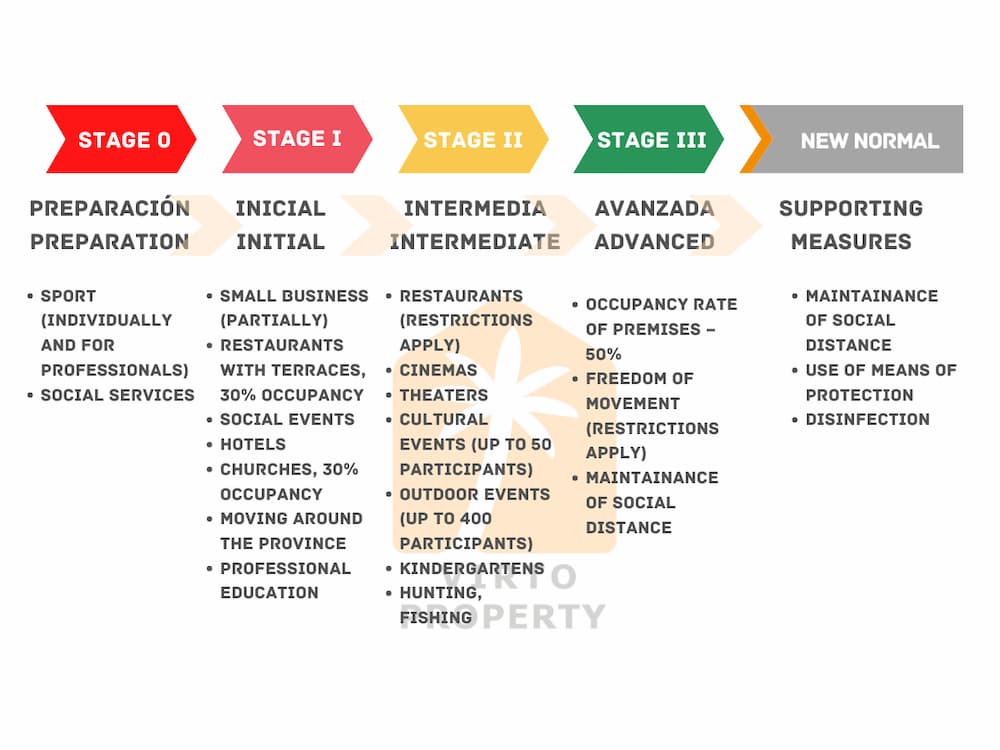
Implementation timeline:
- Phase 0: May 4-11
- Phase 1: May 11-25
- Phase 2: May 25 - June 8
- Phase 3: June 8-22
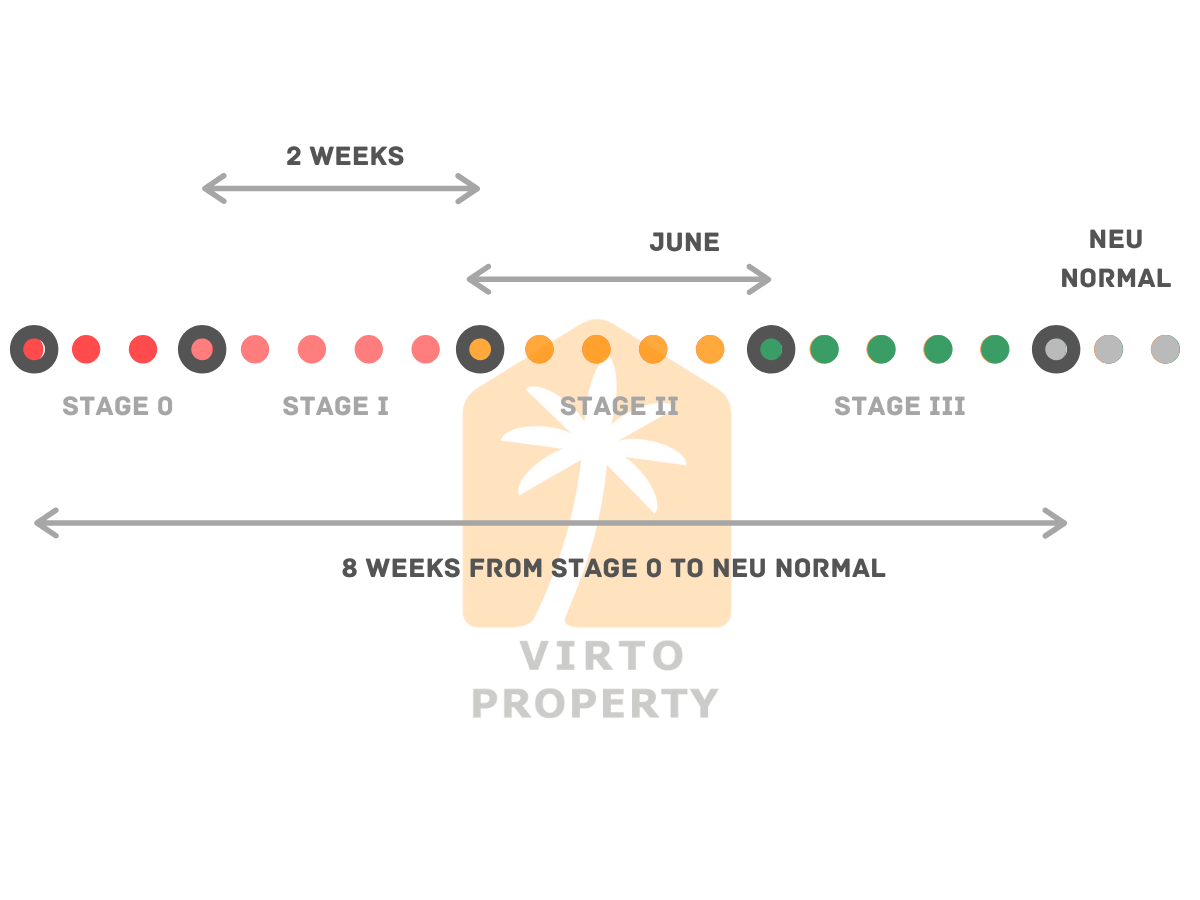
The full transition was supposed to take eight weeks. The government reserved the right to postpone phases or extend stages in case of worsening epidemiological situation. Regional differences were allowed depending on local conditions.
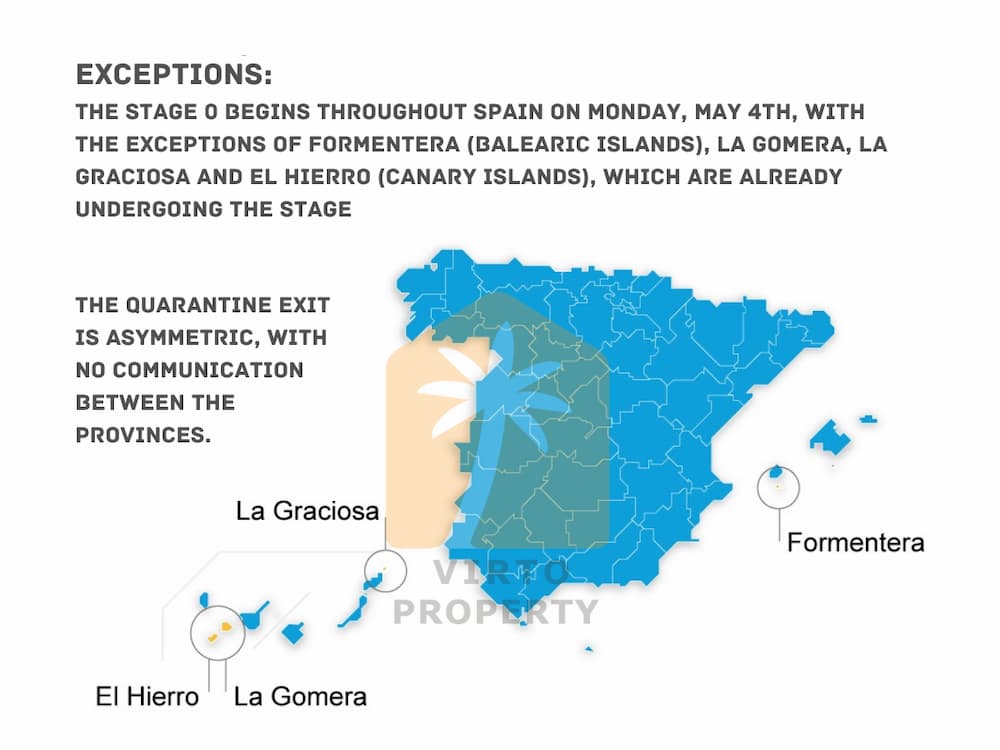
The Balearic Islands (Formentera) and Canary Islands (La Graciosa, La Gomera, El Hierro) moved directly to Phase 1 on May 4 due to favorable infection rates.
2. Phase 0
Period: May 4-11
Permitted activities:
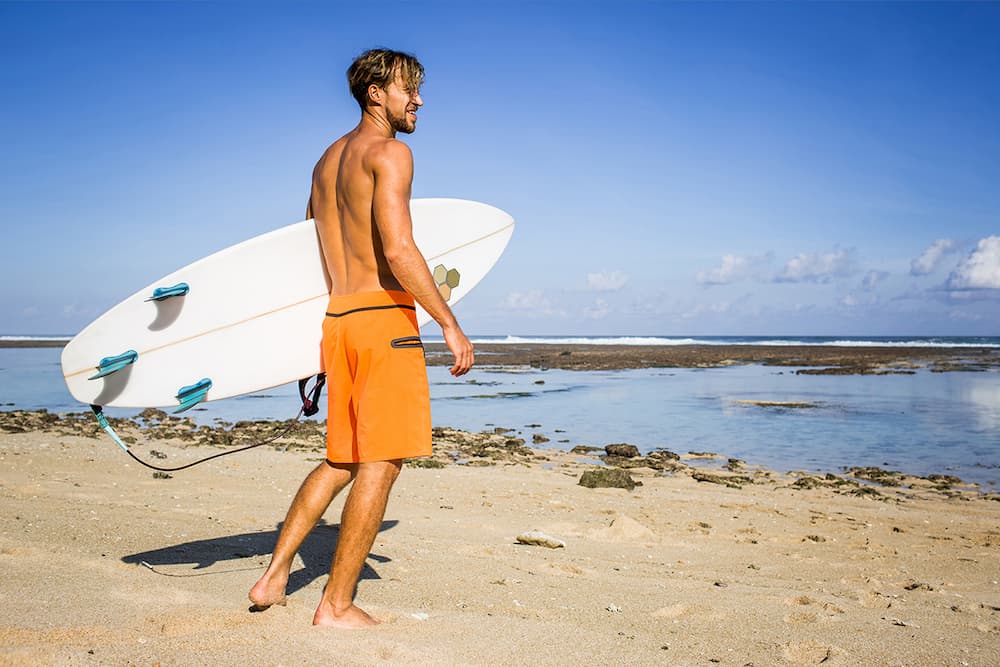
Outdoor recreation: Family members could walk together and spend time outdoors. Individual outdoor sports were allowed, including cycling, running, roller skating and surfing — while maintaining social distancing and using protective equipment.
Professional athletes were allowed individual training, however the issue of group training for contact sports such as football and basketball remained open.
Business operations: Bars and restaurants could operate for takeout, accepting customers by appointment. Beauty salons and service sectors could serve on a “one client per premises” basis with mandatory protective equipment for workers and installation of protective barriers.
3. Phase 1
Period: May 11-25
Social contacts: Small group meetings became allowed for people without symptoms, except for people over 65 and those in self-isolation.
Trade: Small shops resumed operation with 30% capacity limitation and 2-meter distance requirements. Large stores remained closed. Street and weekend markets returned to open areas with 2-meter distance between vendors. Individual service was provided for people over 65.
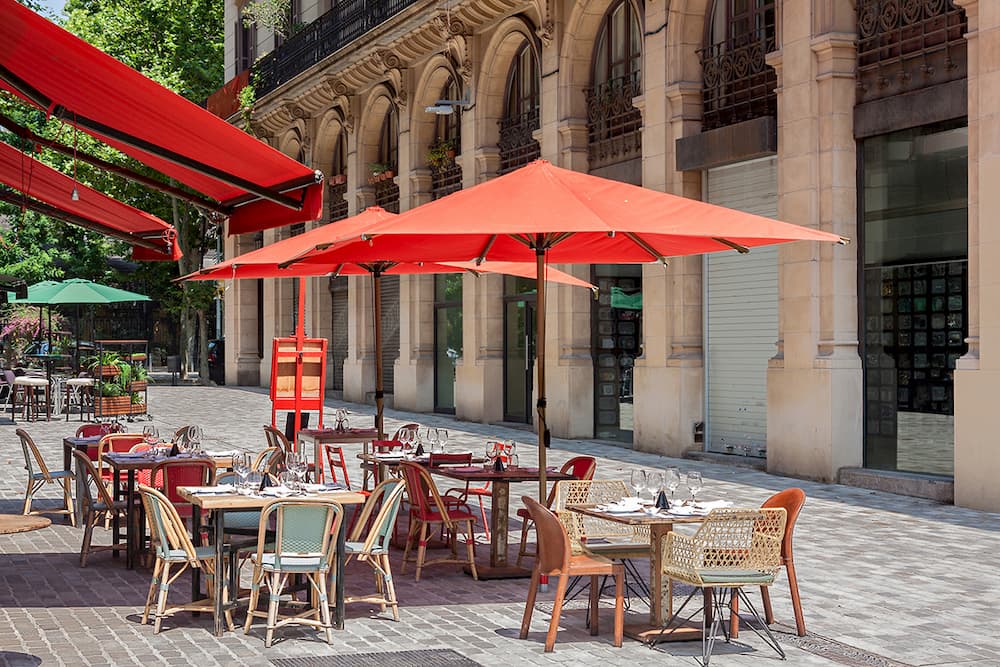
Food service: Restaurants could serve only on outdoor terraces, indoors — with 30% capacity limitation.
Hotels: Hotels resumed accepting guests, but SPAs, pools and common areas remained closed.
Agriculture: All previously suspended agricultural work was permitted.
Cultural events: Indoor events up to 30 people with 30% occupancy were allowed; outdoor gatherings up to 200 seated spectators were permitted while maintaining social distancing. Museums opened at 30% capacity with distributed visitor flow.
Professional sports: Athletes were allowed to train with teammates.
Amateur sports: Gyms opened for non-contact activities without spectators. Tennis courts and athletics facilities began operating. Private gym sessions — by appointment, without physical contact and use of locker rooms.
Religious services: Churches operated at 30% capacity. Funerals were allowed while maintaining distance and wearing masks.
4. Phase 2
Period: May 25 - June 8

Social contacts: Large group communication became acceptable for everyone.
Travel: Trips to country houses within the province were allowed.
Trade: Occupancy increased to 40% while maintaining 2-meter distance. Shopping centers opened with restrictions in common areas and entertainment zones.
Food service: Restaurants allowed indoor service — one person per table or 2-meter distance. 30% occupancy was maintained. Nightclubs remained closed.
Hotels: Common areas became available at 30% occupancy and distance compliance.
Education: Preschool facilities for children under six opened if both parents worked. Students completing educational cycles could attend voluntary classes in groups of up to 15 people, starting May 25.
Entertainment: Cinemas, theaters and concert halls opened with assigned seats at 30% occupancy and 2-meter distance. Outdoor gatherings up to 400 people with mandatory seating were allowed. Concerts and shows — at 1/3 occupancy without assigned seats.
Religion: Church occupancy increased to 50%.
Leisure: Hunting and fishing resumed with permits.
Celebrations: Weddings were officially allowed with limited number of guests.
5. Phase 3
Period: June 8-22
Practically all activities resumed with safety measures and occupancy restrictions.
Trade: Occupancy increased to 50% with 2-meter distance. Common areas of shopping centers reopened.
Food service: Restaurant occupancy reached 50%. Bar visitors could stand with 1.5-meter distance. Nightclubs and bars opened at 1/3 occupancy.
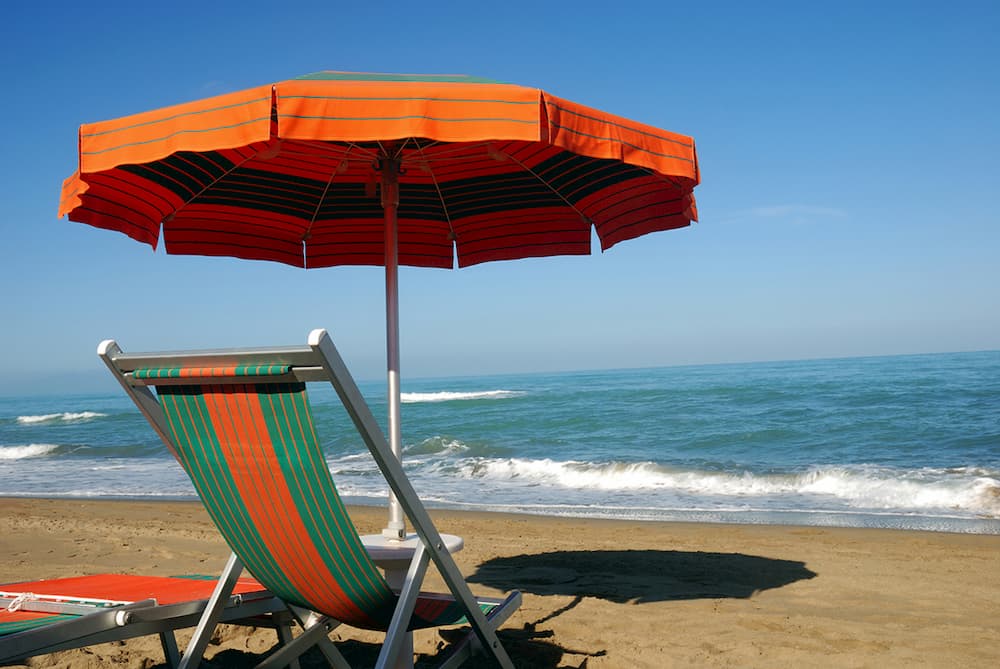
Beaches: Mandatory 2-meter social distancing was maintained.
Country housing: Trips to country houses in other provinces were allowed if those provinces were at the same phase.
6. “New normality”

Requirements after completion of the transition period included mandatory disinfection protocols, regular ventilation and occupancy control. Citizens were recommended to wear masks indoors and outdoors when it was impossible to maintain distance. Hand hygiene, use of sanitizers and wearing gloves in public places became the norm. Reducing social contacts and avoiding physical contact became standard practice.
7. What will be allowed? And when?

Regional features:
Municipalities introduced their own rules in addition to national ones. Andalusia divided age groups by walking times — elderly people from 9:00 to 14:00, children from 16:00 to 21:00. Restaurant service began May 25 with 30-minute breakfast and 90-minute lunch limits, maximum four people per table allowed.
Catalonia introduced stricter restrictions due to higher infection rates.
Canary Islands divided the population by residential address — even house numbers on even days, odd on odd days.
Travel permits:
Inter-provincial and inter-island travel became available no earlier than June 22 for regions at the same phase. International flights remained restricted under European agreements.
Work activity:
Remote work remained mandatory until the end of Phase 3 (June 22), except for permitted activities. Phase 3 allowed certain categories of workers to return to workplaces.
Education:
Students completing educational cycles attended voluntary classes in groups of 15 people starting May 25. University preparation centers resumed operation. Schoolchildren remained on vacation until September.
Sports:
La Liga planned resumption on June 6 — professional athletes competed without spectators starting from Phase 2. Delayed transition of Barcelona and Madrid to the next phase created uncertainty in the schedule. Financial and medical problems among players complicated season resumption timelines.