New Preferences After COVID
Contents
How have home buyer preferences changed in post-COVID reality? What types of housing are currently trending and why? Are shared pools and open spaces a bad idea? How will construction companies change their design principles in the near future?
Have you heard about the “microchip” conspiracy theory? Bill Gates didn’t start talking about viruses for nothing. This man founded one of the largest companies in the world. He understands the impact of global processes, keeps his finger on the pulse. Overall, he understands what’s happening better than others. Since the beginning of the century, COVID-19 is already the fourth virus threatening all humanity. And subsequent events — quarantine, self-isolation, changing investment trends, and so on — are partly coincidence. This could have happened earlier, which Bill Gates tried to tell about in his TED talk. But, as usually happens, people start listening and analyzing only after the fact.
One way or another, viruses, apparently, are here to stay. Most likely, this happened due to population growth, increased traffic, movement of people between countries and continents, and consequently — wider spread of viruses and their mutations. The next question that interests us: “How do all these viruses affect the real estate market?”
The coronavirus epidemic changed buyer preferences: from city center apartments to suburban homes

The first obvious example: in mid-2020, if a person wants to buy real estate, they can be asked the question: “Where would you like to spend your next quarantine?” After all, it’s quite likely that quarantines and other variants of self-isolation will now be announced more frequently.
Furthermore, in recent years, the city center was a guideline when buying housing for many buyers. But after the quarantine lockdown, priorities changed. So, in Moscow in recent months, almost all available suburban houses have been rented out. Even those that had been vacant for years.
In Spain, a similar trend is observed. But new apartments in the center of a major city will cost approximately the same amount or even more than a separate house on the outskirts. For example, developers TM or Alubilding offer their apartments in the center of Benidorm. The price for a modest apartment varies from 250,000 to 500,000 euros. It’s worth noting that in new apartments, bedrooms are tiny — there’s nowhere to put a suitcase, literally 10-12 square meters. At the same time, we have offers 10 minutes from the city: a villa with 3 bedrooms with breathtaking views, private pool and a 450-550 sq. m plot for 350,000 euros.
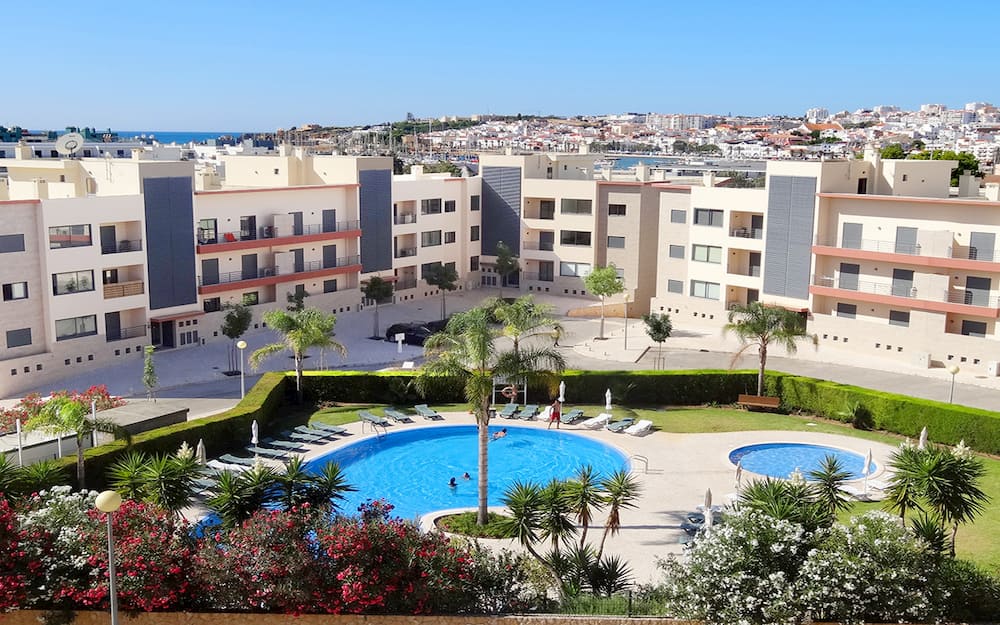
Despite the transition to “new reality,” construction companies will promote their projects, insisting that everything will pass and return to the previous norm. Before the pandemic, one of the bonuses was the availability of shared facilities on the complex territory: shared pool with loungers, garden, barbecue area, etc. All this was an advantage before the pandemic and became a significant disadvantage after it. But projects are already launched, they have several phases, some are designed for 3-10 years, and they have already started. There’s nowhere to go — they need to be sold somehow.
Common areas, without exaggeration, have become life-threatening. First, it’s easy to get infected there, and second, when there are so many people around, keeping the territory in perfect cleanliness is unrealistic. Now for pools, the use of a huge dose of chlorine is recommended, which, as you understand, is not beneficial for health. Some buyers don’t care about this, but for those who care about their health, we can always offer better options of a private house with a pool near the city center.
In Spain, there are excellent roads, practically no traffic jams. By car, you can quickly and safely get anywhere. Such houses are built in urbanizations located near major cities. They are located in closed guarded areas next to full infrastructure — roads, parking, shops, gas stations, banks, etc. These are small towns, some even have their own municipalities. Very convenient options!
As for future projects — most likely, architects will have to consider future epidemics and design new housing taking this factor into account. But this will happen no earlier than in 3-5 years. Therefore, now for those who worry about their health and children’s health, the best solution is buying a small house with its own plot. This applies to both housing for permanent residence and for spending vacation in Spain.
As for tourist or investment housing, it will probably remain in the city center. We see that demand for long-term housing rental in major cities has grown, while supply has decreased. Why? First, families were dissatisfied with the conditions of constant shared living in one apartment (no space for privacy or workspace). Now they strive to improve conditions by changing from one apartment to another. Some families preferred “separate” living: parents rent a separate apartment for their grown children. Second, families planning to buy housing during the transition period are forced to improve housing conditions through rental. Third, demand for student housing has grown — parents are afraid that their children will live in dormitories and prefer to rent separate housing for them.
Add to this the increased domestic demand for vacation rental housing (in coastal areas) — here are at least four trends we observe from April to July this year.
Why is supply decreasing? Again, for many of the same reasons: people are improving their living conditions and using their real estate. Safety or the opportunity to relax by the sea becomes more important than income. The second point: Spaniards are very cautious about those who will rent their apartment long-term. Usually they require confirmation of reliability from the tenant — income statements and permanent employment. In crisis times, not everyone can collect the necessary package of documents, and it’s easier and safer for the landlord not to rent out housing than to expose their property to risk.
The value of balconies, terraces and other open spaces has grown in the context of “new reality”
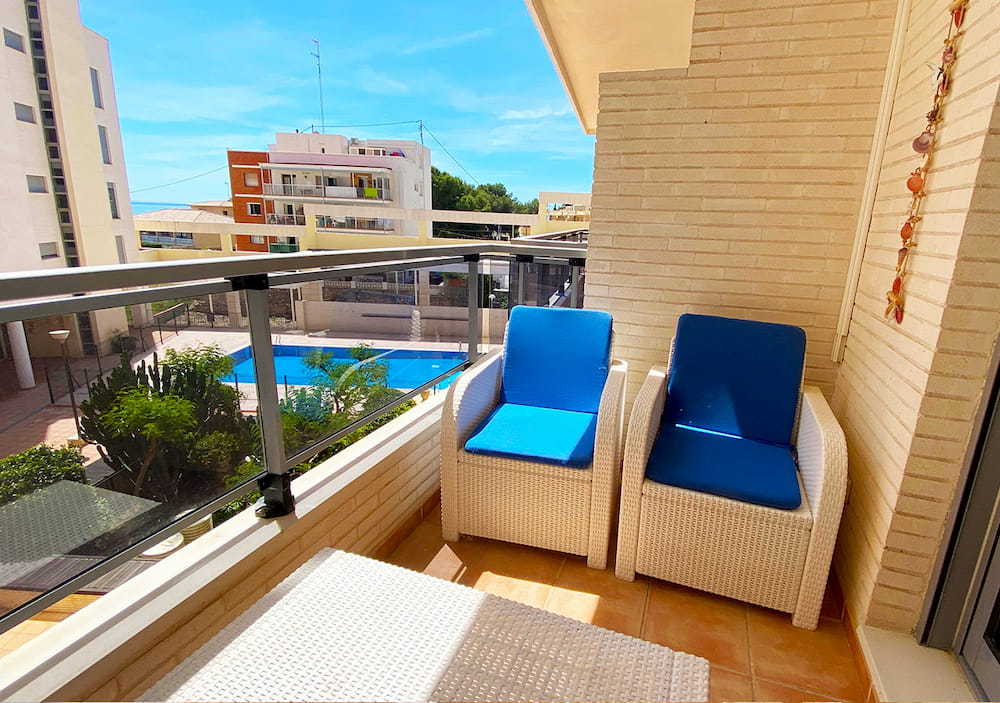
If we talk about apartments in cities, then a terrace or balcony is now a big advantage, and even better — a patio. Another important factor is zoning. This can be either separate rooms or open space that allows creating private corners for relaxation or a home office (through zoning).
To summarize, we conclude that after (and during) quarantine, two factors significantly influence housing choice — personal safety and personal space. Therefore:
A house, even if small, is better than a large apartment
Own patio and pool are better than public areas
Separate rooms and zoning are better than a single open space
Balconies, terraces and private solariums in an apartment are better than a shared recreation area
Take care of your health and make the right choice (which you definitely won’t regret if there’s a “second” or any other wave of disease). And if you have doubts — contact our managers!