Property Spain after lockdown
Contents
Who has suffered more from the coronavirus epidemic — buyers or sellers? Why are speculators and heirs selling homes at low prices? Will developers offer discounts on new housing?
The housing market is gradually returning to normal after two months of lockdown. Since May 6, quarantine measures in Spain have been easing, and life is returning to its usual rhythm… or is it? Buyers and sellers are now wondering what will happen to local real estate prices. Is it profitable to make deals now, and can you benefit from the current situation? And when will everything return to normal?
Virto Property experts continue to monitor the situation. In April, most Spanish analysts already noted the impact of the Covid-19 pandemic on the market and predicted a 10–15% price decline in 2020. Now, with the gradual transition to the “new normality,” experts are noting new trends and advising how to benefit from the current situation.
How will prices change?
What can you buy cheaper?
Average real estate prices after Covid-19
1. How will prices change?

According to experts, the coming months will be decisive for the market. Bankinter forecasts predict that potential buyers will postpone their purchase decision by an average of 6–12 months. It is also expected that part of the demand will disappear for an extended period, leading to a temporary imbalance between supply and demand. Since everything points to falling prices, many sellers have decided to wait. Conversely, some buyers are entering into “aggressive” negotiations with owners to drive down the cost. According to experts, they are returning to the market to seize the opportunity and acquire real estate below market price.
During this period, some buyers manage to enter into successful negotiations and reduce the price.
“I would postpone my deal for now. The world is still in a suspended state, and finding an investor now is not easy. Yes, since we resumed work, many deals have been concluded. But mostly these are operations where the buyer had already made a deposit and only needed to sign documents. At the same time, the overall drop in sales is obvious,” says Jesús Duque, vice president of Alfa Inmobiliaria.
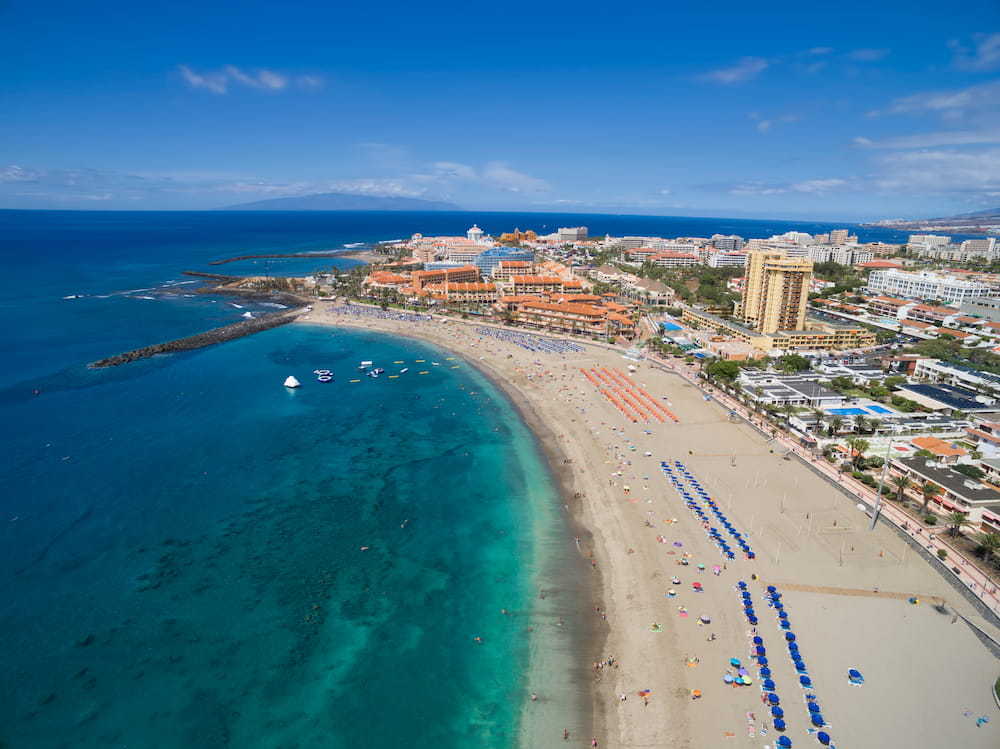
According to estimates by Bankinter and UBS, housing price decline in 2020 will be around 6%. S&P Global Ratings expects a 3.5% drop (and predicts that prices will start rising again in the second half of 2022). There are also more pessimistic forecasts: “Most developers and agents do not intend to reduce prices right now. They are waiting and watching the situation,” explains Gonzalo Bernardos, professor of economic theory at the University of Barcelona. “But then there will be an impressive drop. Almost three months of economic stagnation will lead to a 13% decline in housing prices in Spain, 7.5–9% in Barcelona and Madrid. Overall, I don’t believe prices will return to their previous level before 2023.”
According to a number of Spanish experts, price correction will occur because in recent years the cost of local housing has been overvalued relative to residents’ average income. In the period 2013–2020, rental housing prices in Spain rose almost 50%, while the average Spaniard’s salary increased by only 1.5%. Thus, as economists note, even before the epidemic, prices in some areas of the country were overestimated. During quarantine, this became especially obvious.
2. What can you buy cheaper?
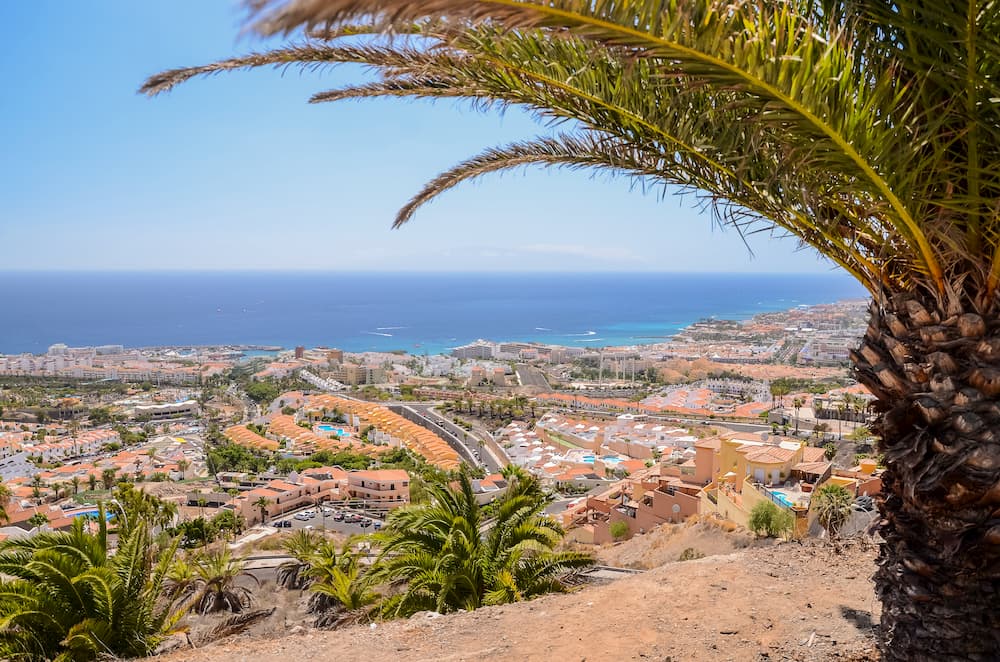
So, despite different points of view, all experts agree that the current reality puts property owners in a difficult position. At the same time, buyers, on the contrary, have a chance to take advantage of the moment and make a profitable deal.
Oscar Larrea, general director of Engel & Völkers Madrid: “Housing prices are historically tied to GDP and unemployment levels. According to the most conservative estimates, Spain’s GDP will lose about 15% in 2020 due to the epidemic. Housing prices will change similarly. At the same time, the IMF predicts economic recovery by the second quarter of 2021. Much depends on the European Central Bank’s policy.” Thus, 2020 and 2021 can be considered an excellent time to buy real estate.
As noted by Uxban general director Gonzalo Robles, attractive housing offers haven’t disappeared. Those interested in quick sales remain active in the market, as do citizens who recently received inheritance (unfortunately, during the epidemic in Spain, many new owners received real estate after the death of elderly relatives). The country has thousands of empty “grandmother’s” apartments that may lose liquidity over time. Therefore, some of them will be put up for sale as quickly as possible.
Another category of “urgent sellers” are speculators. In most cases, they buy resort apartments on the first (bajo) and top (alto) floors in tourist areas, renovate them, and profit from resale. Now, due to quarantine, many of them are at a loss, spending money on housing repairs. Soon they will want to at least recover their investments. According to experts, this category of sellers won’t wait 6–12 months.
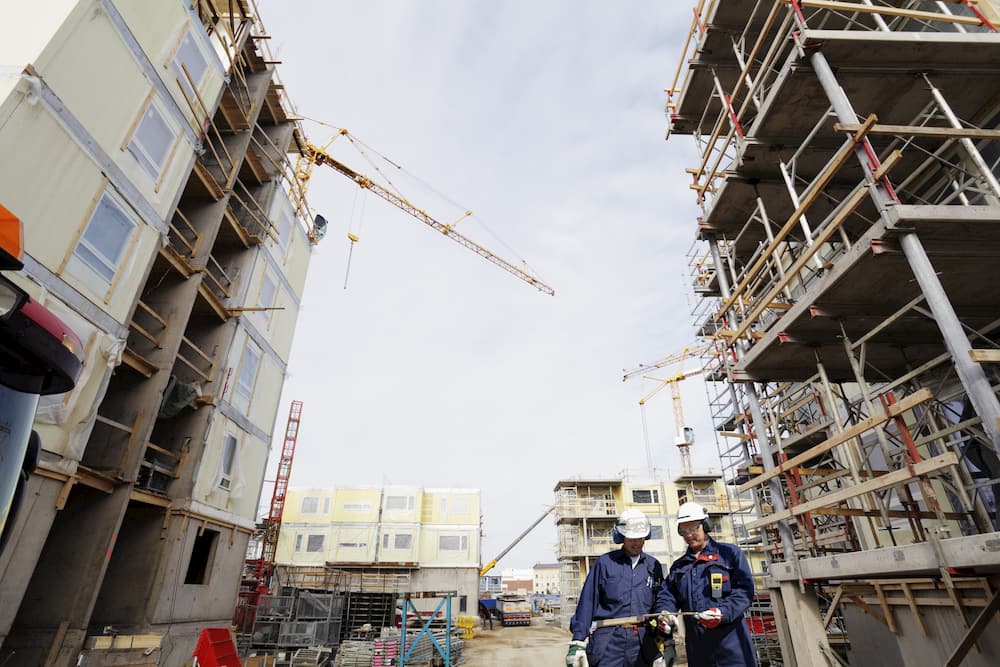
Due to quarantine, construction timelines and new housing costs have increased.
Regarding new home construction, most work resumed in mid-April. However, if you’re looking for new construction, don’t expect huge discounts. “Some buildings remain unfinished due to the epidemic, in other cases the timelines and cost of work have increased — in such conditions, the developer won’t reduce prices to avoid losing money,” says the director of residential and land real estate at CBRE.
3. Average real estate prices after Covid-19
[Update]. In June 2020, new Spanish real estate prices reached a decade peak despite the ongoing COVID-19 pandemic. According to Idealista citing the Society of Appraisers, new housing costs in Spain at the end of June were 2,472 €/m², the highest price since 2010.
How is this possible? In these difficult times, “investors have once again recognized residential real estate as a safe haven for their investments in the face of an uncertain future,” said Juan Fernández-Aceytuno, general director of the Spanish Society of Appraisers. The specialist also adds that in 2020, many deals are made not with mortgages but through savings. Parents in Spain are buying housing for their children so they feel secure in current conditions.
Regarding changes that have already occurred in the Spanish real estate market, the situation as of June 2020 looks as follows.
Average real estate cost per square meter in Spain — 1,730 €/m², which is 1% more than in June 2019. Rental housing price per square meter — 11.4 €/m², +4% compared to June 2019.
Top 5 most expensive regions:
Balearic Islands — 3,105 €/m² (+4.2% per year)
Madrid — 2,783 €/m² (-1.4% per year)
Basque Country — 2,597 €/m² (+1.4% per year)
Catalonia — 2,226 €/m² (+0.1% per year)
Canary Islands — 1,854 €/m² (+3.2% per year)
Popular regions among foreign buyers:
Andalusia (Costa del Sol) — 1,646 €/m² (+6% per year)
Alicante Province — 1,596 €/m² (+3.8% per year)
Virtoproperty sales specialists give several tips to property owners and potential buyers:
Don’t panic — in times of uncertainty, fear and panic are the main motivators of decision-making. These decisions are emotional. Therefore, there is significant risk of making a mistake. Selling and “getting rid of” real estate in such conditions makes sense only as a last resort. In any other situation, deal risks mean significant money loss.
Carefully monitor what’s happening in the market — monitor offers and read reviews. Trust only what you’ve seen with your own eyes.
Buy only if you have free money and confidence in the future — the best time to buy comes when others are afraid and panicking. Now you can find reasonably priced offers or propose your own price. Experienced investors use this time wisely because with the right approach, you can make more than one profitable deal.