Spanish Property Survey
Contents
1. Types of Property Surveys in Spain
Both individuals and companies need to ensure that investing in new or resale property is justified. For this purpose, it’s necessary to conduct a survey before purchase. The house you’re buying may look solid, but it may hide problems that only an inspector will discover. At best, the survey will confirm that the house is reliable and structurally sound. At worst, you’ll be able to reconsider your decision or reduce your offer: for example, if roof repairs would cost €10,000. A survey provides information for informed negotiation.
Different types of surveys exist in Spain, some more detailed than others. The most common are:
- Mortgage Survey
- Condition Report
- RICS HomeBuyer Report
- Snagging Survey
- Building Survey
- Structural Survey
- Property Valuation
2. Types of Surveys Available to Buyers in Spain
The main types of surveys are listed above. The most popular in Spain are mortgage valuation and market value assessment: the first is needed to obtain a loan, the second to determine a fair price.
Mortgage Survey
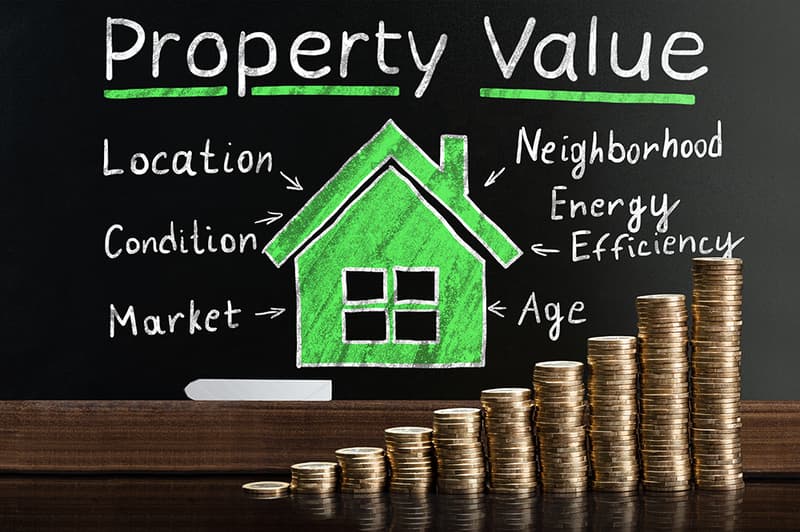
If you’re buying property with a mortgage or your buyer is taking out a loan, the bank may require a specific inspection.
When purchasing property or refinancing a loan, the bank typically requires property valuation. The bank hires an appraiser (tasador) who inspects the property inside and out to determine if it matches the requested amount. The key thing to know: this type of report contains no information about the structural condition of the property or any defects.
Snagging Survey
Buyers are recommended to order this type of survey within one to two months after construction completion (read the contract carefully!). The purpose is to check if the quality of work and materials meets specifications. This will help the owner make timely claims to the developer, and contractors receive payment that the developer refuses to pay without supporting documents.
Spanish developers typically provide a 10-year warranty. But if you miss the one to two-month deadline (depending on the contract) during which you can discuss problems with the developer, you’ll have to resolve the dispute in court—a process that’s neither quick nor simple.
Condition Report
This is a first-level report containing only brief and obvious information about the property’s condition. It doesn’t delve into details and includes no recommendations for problem resolution. The inspector conducts a thorough inspection, focusing on urgent issues—such as dampness or damaged roofing—and recommends additional specialized checks if necessary. If something about the property concerns you, you can ask the inspector to pay attention to it and record it in the report. Market value information is not included in this report. We recommend it only if you need a brief expert opinion on a selected property in good condition.
Homebuyer Report
This type of survey is recommended for resale market properties in good condition when you want to ensure you’re paying a reasonable price—the report includes market value assessment. During such inspection, specialists examine problems in more detail, provide recommendations for their resolution, and estimate possible expenses. This allows for price negotiations. The Homebuyer Report is the most popular of all survey types.
Building or Structural Survey
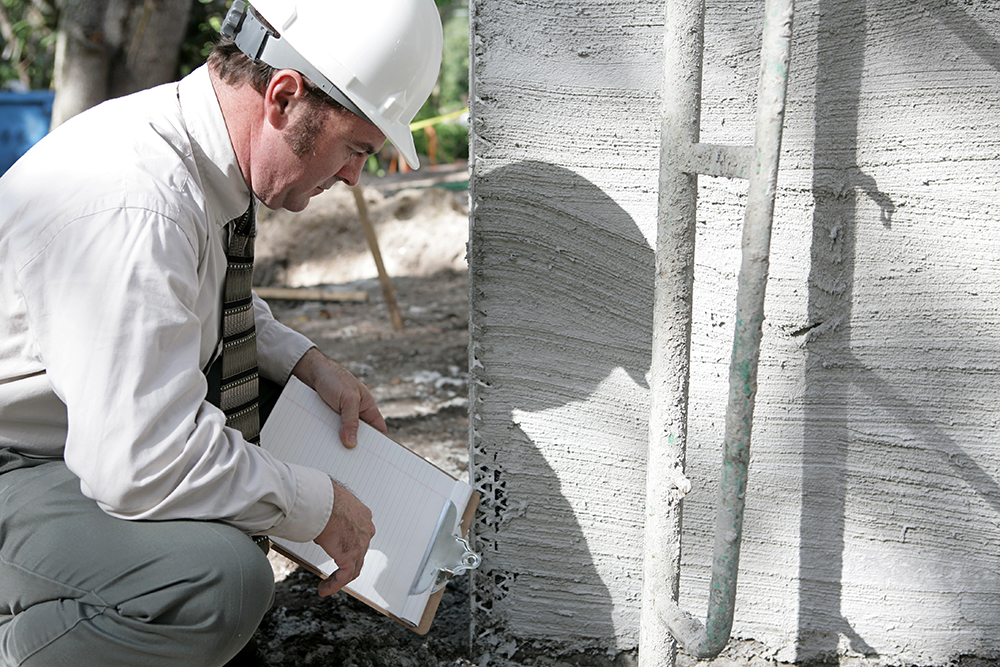
Structural survey is suitable for old properties needing reconstruction or major repairs. During such inspection, the specialist not only identifies problems in detail but also investigates the causes and nature of the building’s structural defects. This type of survey is recommended only for old houses or if the inspector conducting the building survey recommended continuing with structural survey. Structural survey is usually conducted by a structural engineer (perito—expert engineer acting as technical specialist).
Such investigation is often used in cases of building collapse or uninhabitable conditions to establish the cause.
Property Valuation
In Spain, property valuation is called tasación, and the specialist who conducts it is called tasador.
During valuation, the tasador inspects the property and studies location, infrastructure, and general condition. Additionally, the tasador conducts market analysis based on available data, determines replacement cost and maximum market value.
Property valuation companies and specialists in Spain gather market information through their activities and client consultations for permits, sales, purchases, planning, and development.
According to law, the report must contain information about three similar transactions or six similar properties on the market. Data must be no older than 12 months, and the tasador must explain why these specific properties were chosen for comparison with the appraised property. A completed report, commissioned by a legal entity (such as a bank) or individual, is valid for 3 months.
RICS Surveys
In a growing market with wide property diversity, it’s difficult to find reliable property valuation. For a report to reflect reality rather than subjective opinion, the only solution is to choose a RICS survey.
RICS Condition Report, RICS Building Survey, and RICS Structural Report correspond to the survey types listed above. The only difference is that such inspector is a RICS member. What does this mean? RICS (Royal Institution of Chartered Surveyors) is the world’s largest and most authoritative organization of real estate professionals. It serves as a competency center in valuation, establishing standards for all its members based on ethics, objectivity, and correspondence with reality.
For an agency to receive RICS accreditation, at least one board member must be certified. After certification, a RICS agent undergoes regular monitoring and assessment for compliance with strict professionalism standards—with risk of losing accreditation and exclusion from the system.
3. What is Property Survey in Spain?
Generally, property survey is a process where all house components are checked: structure, roofing, plumbing, electrical, heating, air conditioning, insulation, and ventilation. Based on results, the inspector compiles a report with conclusions and repair recommendations. The survey provides more detailed information than what a real estate agent or even the owner possesses.
What Does Property Survey Include?
Depending on survey type, the level of detail and scope of inspection varies. Let’s compare the two most popular types so you can choose the appropriate one.
| Services | Homebuyer Report | Building Survey |
|---|---|---|
| Description of property condition and construction quality | + | + |
| Identification of urgent problems and indication of need for further investigation | + | + |
| Indication of potential problems and defects | + | + |
| Visual inspection without removing cladding and panels | + | + |
| Check for subsidence, asbestos, moisture, pest infestation, drainage inspection | + | + |
| Calculation of repair costs | + | |
| Market value assessment | + | |
| Analysis of building structure, materials used, and operation forecast | + | |
| Analysis of visible and hidden defects, description of consequences of lack of repairs | + | |
| Repair options and timelines | + | |
| Detailed visual inspection of roofing, flooring, gas, electrical, water supply, sewerage, heating | + |
To understand what exactly is contained in the written report, we recommend reviewing samples of two reports:
- Homebuyer Report sample
- Building Survey sample
Who Conducts the Survey?
To order a survey, you need to find an authorized specialist—property surveyor. We strongly recommend choosing a specialist with RICS membership—this guarantees compliance with the highest industry standards and current knowledge and skills.
Inspectors typically have architectural or engineering education and/or experience. If the specialist is a RICS member, this means they passed an exam and possess not only education but also significant experience in property inspection.
Inspectors sometimes specialize in certain property types, so clarify their experience with similar real estate. If you’re interested in something specific—inform them in advance.
Is Survey a Condition Guarantee?
Unfortunately, house or premises survey doesn’t guarantee that problems won’t arise after you move in. However, if you believe a problem couldn’t have been missed during survey and should have been indicated in the report, we recommend contacting the engineer and discussing the situation.
Companies conducting surveys are required to have liability insurance. The insurance coverage amount should cover house restoration costs if the inspector missed something that should have been reflected in the report. If it’s about a RICS member, request the complaint procedure and file a compensation claim. Disagreements are usually resolved this way.
4. Why Do You Need Spanish Property Survey?
If you’re an owner, you may feel you know your house’s condition, but it may have structural problems that are difficult to detect without a specialist. Inspection will reveal defects requiring repair, after which you can reasonably raise the price or conduct informed negotiations with the buyer.
For buyers, survey is recommended regardless of house age. A common mistake is thinking that new construction doesn’t need inspection. It’s important to know what you’re paying for. If you’re investing in resale property, you need to find out if any renovations or modifications were approved by the city hall (ayuntamiento) and passed inspection.
Otherwise, responsibility falls on the new owner: the city hall, for example, may demand permits and even require opening walls for inspection—for example, new electrical connections.
Upon inspection completion, you receive a detailed report with photographs that can be discussed with a lawyer before signing the acceptance contract. This will determine if conditions are fair, if a counteroffer is possible considering necessary work costs, or if it’s better to abandon the deal.
Finally, compare the investment amount with survey price: on average from €300 to €500. The result is complete understanding of the property you’re investing in and identification of possible expenses. And perhaps most importantly—your peace of mind.
5. What’s the Difference Between Homebuyer Report and Building Survey, and What to Choose?
Homebuyer Report includes market value assessment and thorough property inspection. It’s intended for housing in acceptable condition of traditional construction type (villa, townhouse, apartment). The report informs about significant problems, if any, with assessment of danger level and urgency of elimination.
Building Survey is an extremely detailed report including repair recommendations and cost estimates. Recommended for neglected properties, for non-standard architectural solutions to assess suitability for residential or business use. If you’re dealing with old buildings or planning major works, choose this survey type. Keep in mind that inspectors tend to be cautious and more likely to overestimate than underestimate problem assessment. It may be useful to get a second opinion from a builder regarding actual costs.
6. How to Order Building Survey in Spain?
1. Choose a specialist or organization and decide on survey type. In Spain, one of the most authoritative organizations is Sociedad de Tasación. They also issue RICS reports.
2. Submit an application on the chosen organization’s website—a specialist will call you back within a business day. You can also call a recommended specialist directly.
3. Agree on specific date and time for inspector visit. We recommend preparing a list of questions that concern you in advance and drawing the specialist’s attention to them.
4. Wait for results. Typically, the report is prepared within 3–5 business days.
7. How Much Does Survey Cost and How Long Does It Take?
Factors affecting final survey cost:
- survey type;
- property type and condition (its size);
- types of equipment and instruments needed for survey.
Average cost of most popular survey types—from €300 for studio to €800 for villa. Cost of other types varies widely. Structural or building survey, due to process complexity, can cost €2,000 and more.
| Survey Rates | ≤125 m² | 126–300 m² | >300 m² |
|---|---|---|---|
| Condition Report | €300 | €450 | €600 |
| Homebuyer Report | €400 | €550 | €700 |
| Homebuyer Report & Valuation | €500 | €650 | €800 |
| Structural Report | On request | On request | On request |
8. Conclusion
In conclusion, let’s examine advantages and disadvantages of property survey.
Although property inspection can be stressful, it brings tangible benefits.
1. Survey can confirm absence of problems. Inspections are often conducted to ensure the property is safe and complies with building codes. In the best case, inspection won’t reveal serious problems.
2. Property may be worth more than you assumed. Valuation results may be pleasant. The appraiser inspects interior and exterior, compares your property with similar ones in the area, and calculates value. You may discover that your property price is significantly higher than your expectations.
But there are negative aspects too.
1. A serious problem may be discovered. One of the main fears is an unpleasant result: for example, structural cracks in foundation, elevated radon levels, or termite infestation.
2. Pickiness. A possible downside is an inspector who looks for any flaws to justify the cost of their services. The report may contain a list of minor problems, easily fixable (for example, air ducts that need cleaning), but capable of scaring off potential buyers. These “problems” can also be used to reduce price. Remember this, whichever side of the deal you’re on.
Overall, when investing or purchasing, technical house or premises inspection should be one of the main tasks. This measure allows getting more information about the property of interest, more accurately understanding associated risks, and establishing more favorable conditions for negotiations.