Spanish Real Estate Market: August 2020 News
Contents
From city to countryside
It’s all about the pool
Drones against squatters
Squatters against Valencia authorities
Murcia didn’t notice the pandemic
When will the market recover? CaixaBank forecast
Sell Spanish real estate from home
Summer 2020 is coming to an end, but news from the warm coast keeps coming! In the fresh issue of our review, we have gathered the most interesting updates from the Spanish real estate market. In August, the fight against squatters intensifies, Murcia, despite the pandemic, increases sales volumes, and foreign property owners in Spain finally get the opportunity to sell their properties remotely. How does it work? Read on!
1. From city to countryside

According to Idealista, in 2020 demand for housing in sparsely populated towns and villages (less than 5,000 inhabitants!) has grown. This trend is observed in all regions of Spain, except for the Balearic Islands.
Among the main reasons is the COVID-19 pandemic, which prompted people to look for housing in remote areas with fewer neighbors. In addition, in municipalities with less than 5,000 inhabitants, real estate prices are twice lower than in large cities (€830 per m² versus €1730).
2. It’s all about the pool
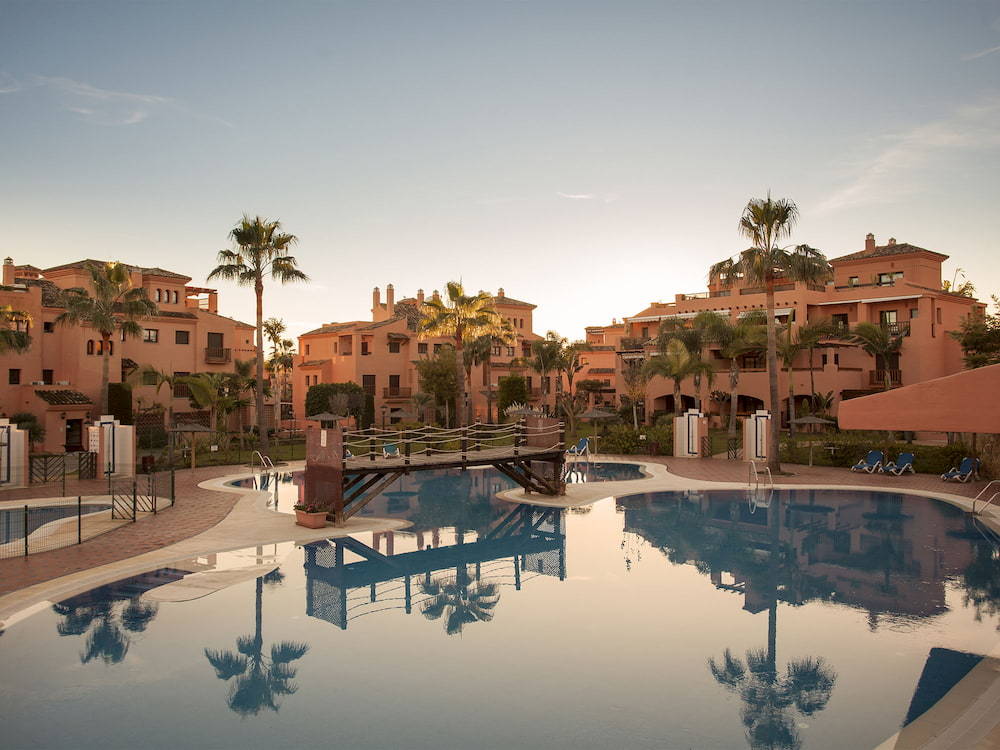
Apartments in Spain with pool access are on average 46% more expensive than similar apartments without one. About 20% of apartments in the country offer this advantage. Most often these are apartments in gated residential complexes (urbanizations) with common areas.
Pools are most in demand in Andalusia (+83.9% on average compared to apartments without a pool). The smallest difference is in the Cantabria region (+6.2%).
3. Drones against squatters

As noted in the previous news digest, since the start of the COVID-19 pandemic in Spain, squatters have become more active — intruders of other people’s homes, taking advantage of owners’ absence. Among the main reasons are closed borders (foreign owners cannot come to Spain, their housing remains empty) and the paralyzed work of Spanish courts for several months, authorized to make eviction decisions.
According to the Spanish online newspaper El Economista, by the end of summer the active fight against squatters resumed. Law enforcement agencies in some regions are applying new unconventional methods. For example, police in the city of Badalona acquired several drones to patrol areas from the air for illegal intrusions into housing. According to Spanish journalists, the drones are equipped not only with cameras, but also with loudspeakers, through which police officers warn violators about consequences.
4. Squatters against Valencia authorities
On August 20, the Valencia Province Prosecutor’s Office issued a decree on immediate eviction of squatters if the housing they occupy is the owner’s place of residence. It doesn’t matter whether this is the main residence or a vacation home: housing is considered inhabited if the owner uses it at least a few days a year. According to the instruction of Valencia Province General Prosecutor José Francisco Ortiz Navarro, eviction in such cases should occur immediately, without court proceedings.
For this, the owner of illegally occupied housing must present proof of ownership and confirmation that their property is occupied without permission. “If the owner uses the housing as a residence, illegal entry is qualified as trespassing and is considered a moderate crime. In this case, illegal residents must be immediately evicted by state law enforcement agencies,” states Ortiz Navarro.
If squatters are people in vulnerable situations, for example families with children, police are obliged to report the eviction to social services, which must take appropriate measures. The statement emphasizes that this decision is aimed at protecting property owners’ rights, since legal eviction can take several months.
5. Murcia didn’t notice the pandemic

According to Spain’s National Statistics Institute, during the coronavirus epidemic Spanish housing sales fell by an average of 22% (−43% from April to July). The pandemic significantly reduced the number of transactions in all regions, except Murcia. There, during the pandemic, the number of sales grew by 12% compared to 2019. For example, in Murcia in June 1,200 villas and apartments were sold (1,059 in June 2019).
Among the regions most affected by the pandemic: Aragon (−41% of transactions), Valencia and the Balearic Islands (−35% in both cases).
6. When will the market recover? CaixaBank forecast

Residents of Spanish islands and coasts get coronavirus less often than residents of central regions. This is reported by Idealista citing Sonneil, WHO and Spain’s Ministry of Health. In addition, residents of Spanish coastal areas get Covid-19 less often than in most EU countries.
As part of the study, infection statistics from most Central and Western European countries were analyzed. The average infection rate at the moment is 371 cases per 100,000 people. The indicators of Spanish coastal regions are noticeably lower: 296 cases in Alicante, 257 in Málaga, 213 in the Balearic Islands, 164 and 80 in Tenerife and Las Palmas (Canary Islands) respectively. This may be related to the beneficial influence of sea air, since it is known that people with respiratory diseases are in the COVID-19 risk group.
7. Sell Spanish real estate from home
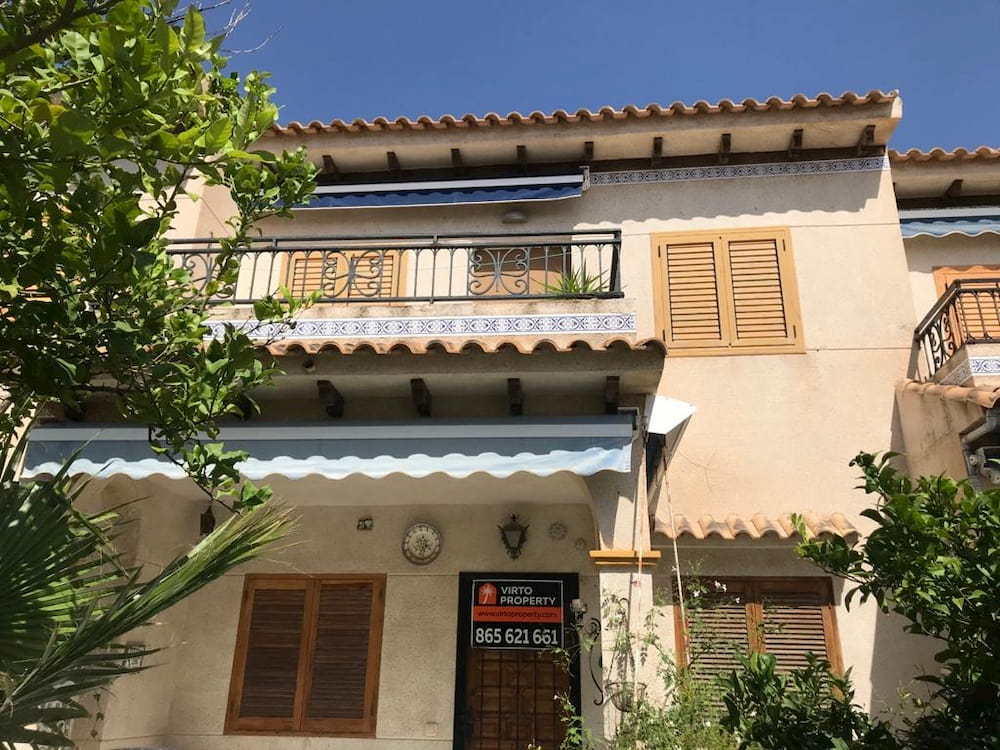
In August, some European citizens gained the opportunity to remotely sell real estate in Spain with the help of VirtoProperty. Unfortunately, Spain’s borders are still closed to a number of countries, or quarantine is required upon arrival. However, thanks to IT solutions, it is now possible to sell real estate remotely. Our specialists have experience in remote sales and are ready to accept your applications.
To submit an application, you need to fill out a form on the website, collect necessary documents and arrange a power of attorney. The stages of remote selling are described via the link. VirtoProperty agents will help evaluate your property and set an optimal price depending on your strategy (quick sale, most profitable deal, etc.). The service cost is €490, excluding commission fees.