Spain Real Estate Market: News for December 2020
Contents
Market revives according to Statistics Institute data
2020 changed our preferences
Village better than city?
Nightclubs for sale
Sun living on the roof
Is the secondary market recovering?
Living like royalty
1. Market revives according to Statistics Institute data

According to the Spanish Statistics Institute, by the end of 2020, Spain’s real estate market showed recovery signs. In the third quarter, home purchases grew significantly — 102,197 transactions compared to 76,545 in the second quarter. Year-on-year, the overall decline was 16%, with the secondary market falling by 21.58%, while new builds grew by 7.32%.
Madrid, Barcelona, Alicante, Málaga and Valencia became the most popular destinations for purchases. Foreign investment returned as borders opened — around 14,000 purchases were made by overseas buyers (12.39% of total transactions). Citizens of the United Kingdom, France, Belgium, Germany and Morocco led among foreign buyers.
2. 2020 changed our preferences
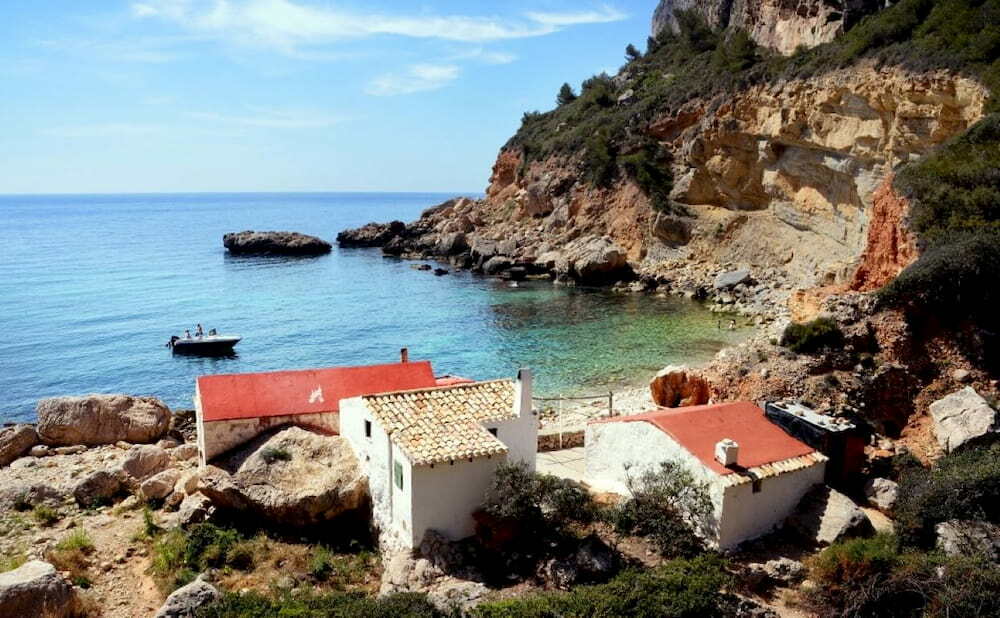
The pandemic radically changed Spanish preferences in the real estate market. Around 7% of Spain’s residents changed their place of residence during the lockdown in April and May. Among the motives were “the desire to increase living space, have their own garden or terrace or even live closer to nature, away from big cities”.
Young people more often changed their place of residence. Among families who moved, men moved more frequently, while women chose renovations. A notable fact: approximately a third of surveyed Spaniards purchased new desks for remote work in 2020.
3. Village better than city?
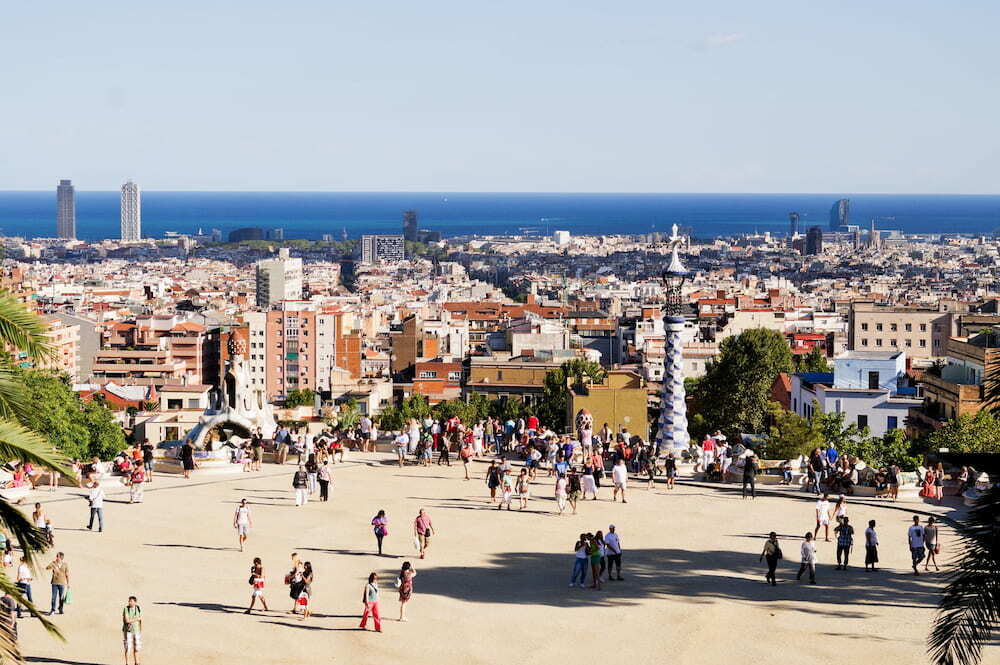
Growing interest in small towns and spacious housing led to declining rental prices in major metropolitan areas. Notable decreases were recorded in Barcelona (−9.3%), Madrid (−7.3%), Palma de Mallorca (−6.2%), Málaga (−5.6%) and Seville (−5.2%).
Despite this, in most Spanish cities rental rates overall continued to rise, reaching a historic high of €11.4 per square metre per month in September. The shift to remote work caused by the pandemic prompted many Europeans to abandon property purchases in 2020 in favour of rentals.
4. Nightclubs for sale

The tourism and entertainment sectors were particularly affected in 2020 due to curfews and event restrictions in Spain. The market was flooded with commercial real estate, primarily nightclubs. According to Idealista, around 200 nightclubs were put up for sale across the country, concentrated in Andalusia, Catalonia and Madrid, with prices “from €50,000 to €6 million”.
5. Sun living on the roof
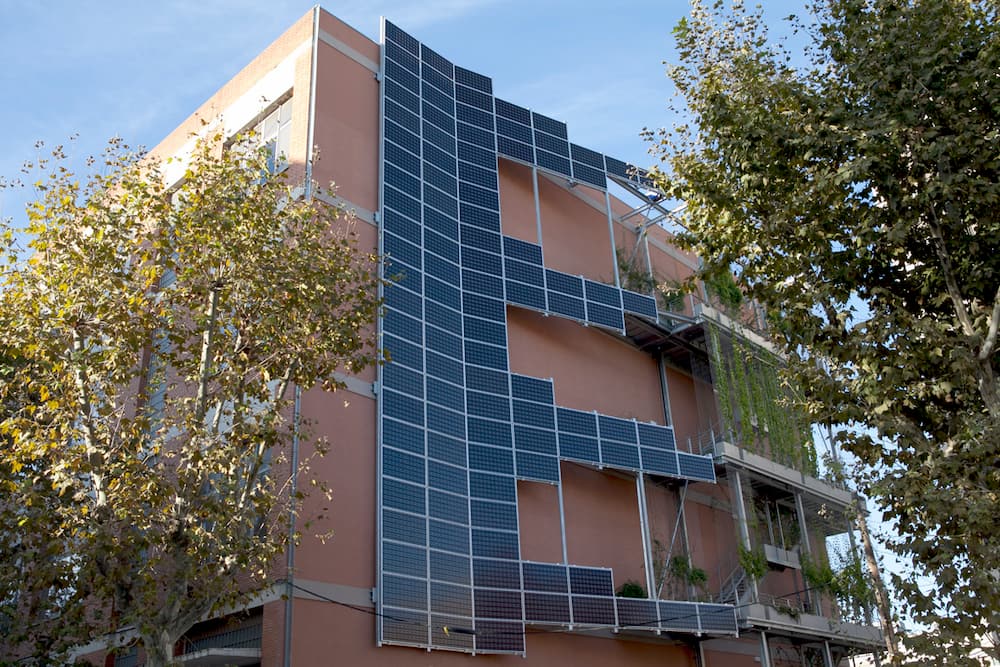
Barcelona allocated €50 million for installing solar panels on building facades and roofs. The programme targets facilities with high energy consumption — hospitals and sports centres, as well as individual residential buildings. The administration planned to spend €166 million in 2021 with the goal of increasing artificial energy production by 66%, while simultaneously reducing dependence on fossil fuels and carbon footprint.
6. Is the secondary market recovering?
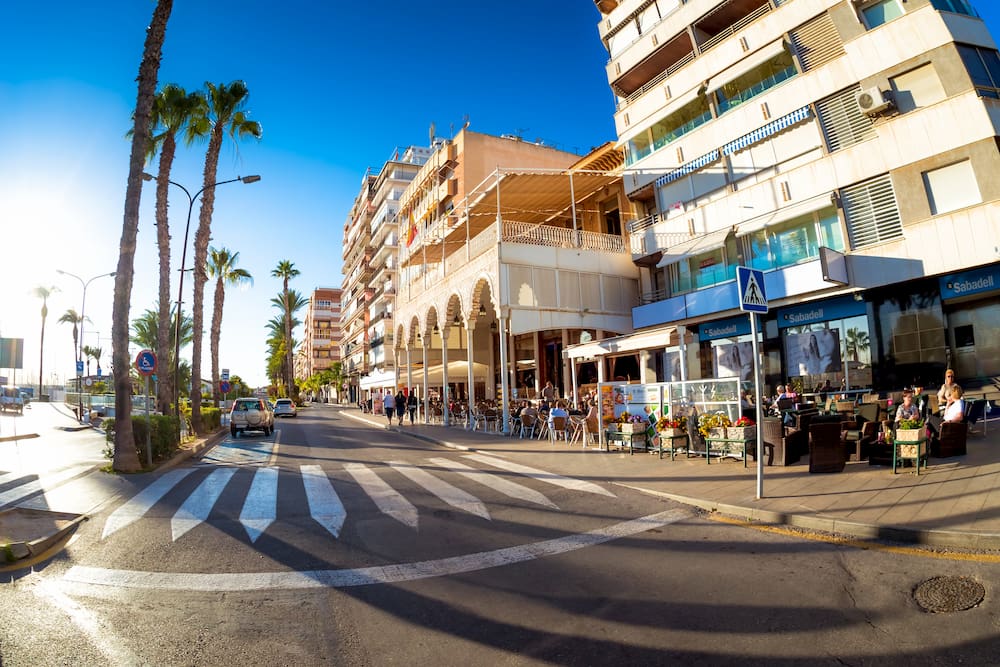
BBVA analysts forecast recovery in the secondary housing market. From April to September 2020, secondary market sales declined by 26.1%, returning to early 2019 levels. Nevertheless, experts expected full recovery of purchasing activity in the second half of 2021, forecasting secondary housing price decreases of 1.5% during 2021.
7. Living like royalty
A nearly 800-year-old medieval estate has been put up for sale in Mallorca, located in the Sierra de Tramuntana mountain range, a UNESCO World Heritage site. The Bunyoli estate spans 250 hectares and includes four floors with numerous rooms totalling 2,838 m², as well as outbuildings and a chapel surrounded by gardens. Citrus fruits, olives and grapes are still grown on the estate grounds. The property, a former baronial residence of the Bunyoli family, is listed for sale at €14 million.