Spanish Real Estate Market: November 2020 News
Contents
How many months does it take to sell real estate?
Europe’s largest artificial beach
Half of Spaniards plan to move
In this house, only we
Now we rent out a room
Sale! Hotels
Tourist shortage
1. How many months does it take to sell real estate?

Since the COVID-19 pandemic began in Spain, property sale times have increased. According to Idealista, the average sale time has grown from five to six months. In provinces such as Teruel, Palencia, and Zamora, completing a transaction requires more than a year.
Housing sells fastest in Granada — on average in 3.5 months, followed by Madrid (3.8), Barcelona (4.5), and Zaragoza (4.5). In major cities and coastal resort areas, transactions proceed faster. Granada, Lleida, and Ciudad Real managed to reduce their sale times.
2. Europe’s largest artificial beach

In November, provincial permission was obtained to build Alovera Beach — 40 minutes from Madrid. The artificial water body covering 25,000 square meters will include a 15,000 square meter beach, located approximately 300 kilometers from the sea.
The complex is divided into five zones: beach, sports-entertainment, children’s, sailing, and restaurant areas. The project cost is about 15 billion euros; completion dates have not yet been announced.
3. Half of Spaniards plan to move

According to a Via Celere survey, 42% of Spaniards plan to move within the next five years. Of these, 54% seek to improve their housing conditions, while 22% want to change neighborhoods or cities. Nineteen percent cited the coronavirus pandemic as the main reason for moving, and 5% hope to earn money from selling or renting.
Seventy-seven percent consider new construction an attractive option, noting energy efficiency, material quality, and modern layouts.
4. In this house, only we
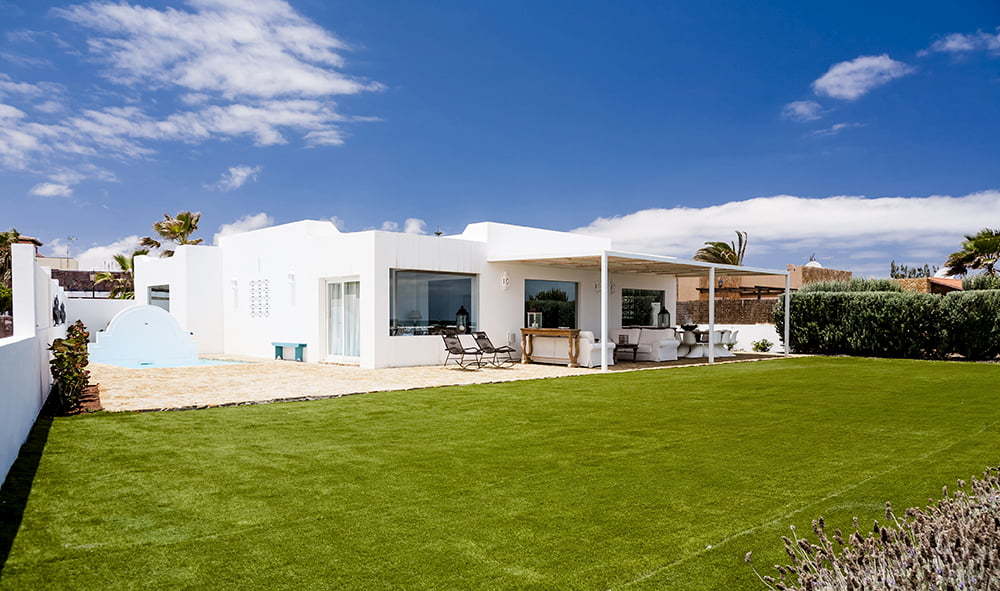
Sales of individual homes significantly increased during the pandemic. Villas and chalets comprised 20.4% of all real estate transactions in the third quarter of 2020 — a record figure. For comparison: in 2012, this share was about 15%, and in 2019, the previous maximum was 19.1%.
Leaders in villa sales were Castilla-La Mancha, Extremadura, Castile and León, Valencia, and Andalusia. The increased demand is driven by the desire for privacy during the pandemic.
5. Now we rent out a room
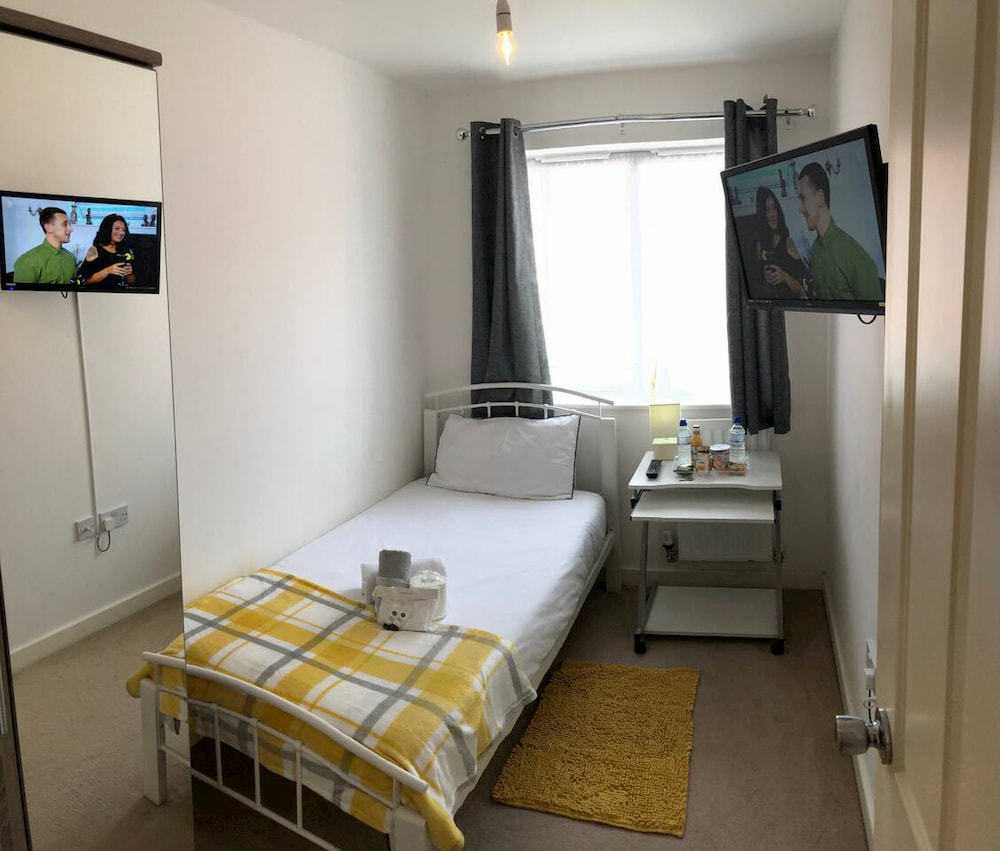
Since the pandemic began, the number of room rental listings has grown by almost 80% — Spaniards’ incomes have declined. Residents of the Balearic Islands are particularly affected due to high housing costs and significant job losses.
According to Antoni Gayà, president of the Balearic Islands Real Estate Services Association, residents cannot afford apartments with average rents of €800 per month. Individual rooms for approximately €300 have become the preferred alternative.
6. Sale! Hotels
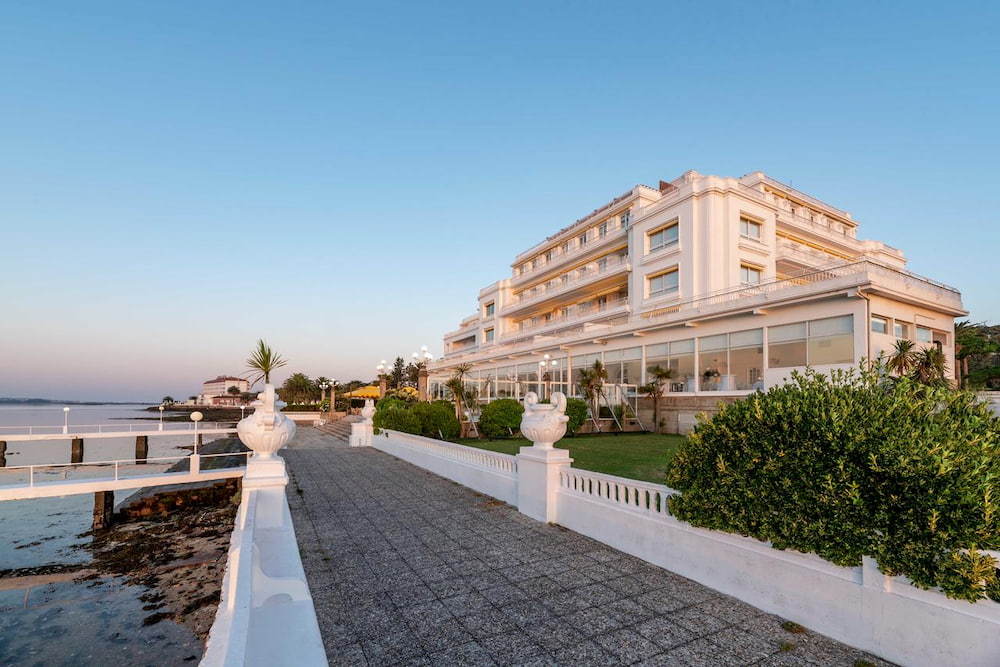
More than 550 hotels are simultaneously on the market. Catalonia leads with 114 properties, followed by Andalusia with 101. During the pandemic, some Spanish hotels offered rooms to local professionals for remote work at prices ranging from €12 to €110, depending on the establishment’s pricing policy.
7. Tourist shortage
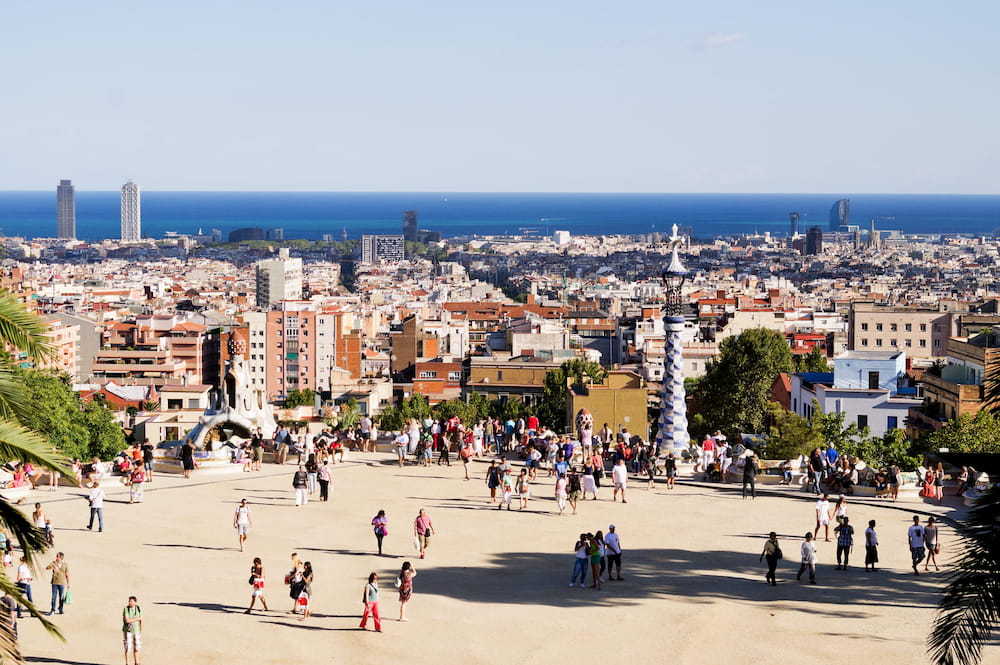
According to Spain’s National Statistics Institute (INE), in 2020 the country received 74.9% fewer tourists compared to 2019. In September, Spain welcomed 1.1 million visitors — 87.1% fewer than in September 2019. The largest share of foreign guests consisted of French, British, and German visitors.
Spain previously ranked second worldwide in tourist numbers after France. Current restrictions include mandatory remote work, closed air connections with several countries, and a curfew from 11:00 PM to 6:00 AM, extended until May 9, 2021.