Renting out holiday apartment in Spain
Contents
Rental market trends in Spain
What to consider when renting out?
Expenses and taxes on rental income in Spain
Where to find tenants?
How much money can you earn from property rental in Spain
Renting out a Spanish villa: ROI calculation
How much can I earn from long-term rental?
Is rental in Spain a good investment?
What property is best to invest in for rental?
1. Rental market trends in Spain

The residential rental market in Spain is experiencing growth: currently about 22% of housing stock is rented out. This growth is driven by tourism, an influx of foreign students, and young Europeans increasingly preferring rental over purchase. Today, about 27% of Spaniards aged 22-29 choose rental housing.
Tourism significantly expands rental opportunities: “resort rental guarantees 5% annual return.” During summer months, 90% of resort rental properties are occupied in Valencia, Barcelona, Castellon, Murcia, and Palma de Mallorca.
The student market is also well-developed - Valencia is particularly popular thanks to the Erasmus exchange program. Major cities see high rental rates: two-bedroom apartments in Barcelona and Madrid rent for approximately €600 per month (long-term rental) or €70 per day (short-term).
The COVID-19 pandemic temporarily disrupted the market, but recovery followed. By September 2020, rental prices peaked at €11.4 per square meter per month. Since then, the market has stabilized: in the first half of 2021, average return was 7.2%, down 0.4% year-over-year.
2. What to consider when renting out?
Type of rental: Choose between short-term (seasonal or daily) and long-term (academic year or 3-5 years).
Location: For tourist rental, proximity to beach or popular attractions is important; for student housing - proximity to educational institutions and amenities.
Property type: Studios and two-bedroom apartments are most in demand in cities. Larger properties and villas with pools attract tenants during summer season.
Legal issues: Some regions require tourist licenses for short-term rentals. Contracts must specify deposit amounts, termination conditions, and tenant information.
Who to rent to? Long-term tenants should provide employment verification and references from previous landlords. For short-term - passport/visa copies. For expensive properties, it’s advisable to request employer recommendation or bank statements.
3. Expenses and taxes
Annual rental income is subject to several payments:
Income tax: 24% on declared rental income
IBI (property tax): Up to 2% of cadastral value, paid annually
Community fees (Gastos de la Comunidad): Infrastructure maintenance, including pools and gardens
Tourist tax (IEET): Required in some regions
Property insurance: About €300 per year (recommended when renting out)
4. Where to find tenants?

Landlords can manage rentals themselves or hire professional agents (8-15% commission). Free Spanish portals include Idealista.com, Milanuncios.com, and Habitaclia.com. International platforms like Airbnb and Booking.com charge commissions but provide broader reach.
5. How much money can you earn

Real return averages around 5% annually from market value of the property. Property worth €100,000 generates approximately €5,000 net income per year. With less active management - 3%; with professional approach - up to 7%.
Real example - studio in Alicante:
Renovated one-bedroom studio of 52 m², valued at €120,000. Projected monthly income varies from €270 (December) to €1,500 (July-August), totaling about €10,095 per year before expenses.
Annual expenses:
Annual property taxes and personal income tax amount to about 0.8% (just under one percent) of the cadastral value of the property. With market value of €120,000, cadastral value will be around €100,000. Thus, taxes will be about €800 per year.
Property insurance is a voluntary payment. If the apartment is purchased without mortgage, insurance is not mandatory. But when renting out, we strongly recommend obtaining it. Cost is about €300 per year.
Maintenance (communidad) includes monthly expenses for housing maintenance, garbage collection, and pool cleaning, amounting to about €360 per year.
Utilities and communication services. Electricity, gas, water (per sq. m) considering the above-mentioned occupancy will amount to about €700. Internet + television - about €300.
Net profit: €7,435 (6.2% return)
With agent management:
If management is transferred to agents (15% commission) and 24% income tax is considered, net profit drops to approximately €4,137.
6. Renting out a Spanish villa: profitability calculation
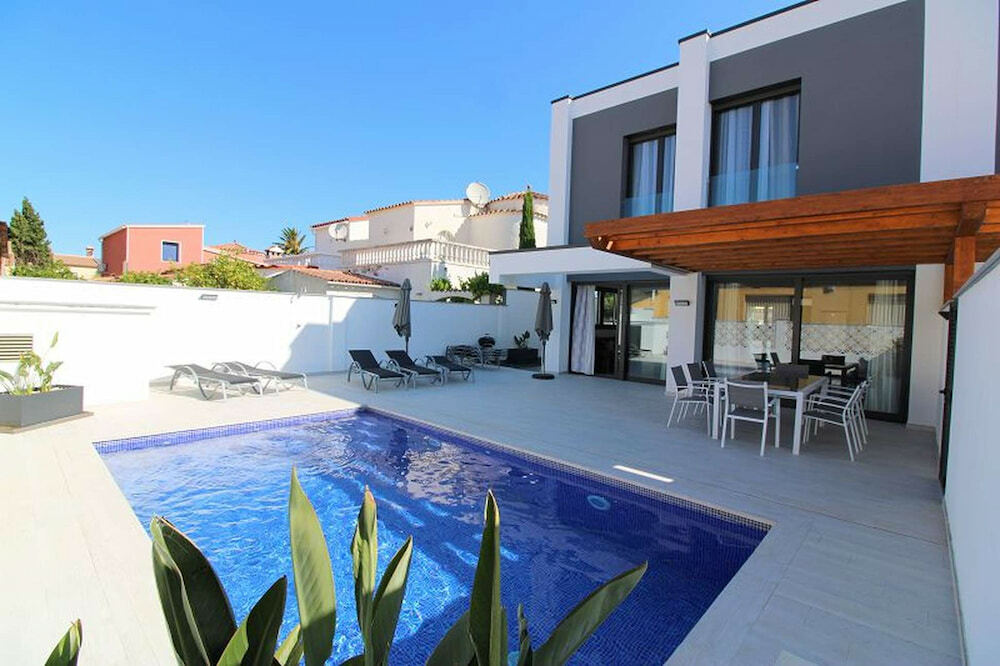
The 5% annual return formula applies to all property types. A villa worth €300,000 generates approximately €15,000 annual income using similar calculation methodology.
7. How much can I earn from long-term rental?
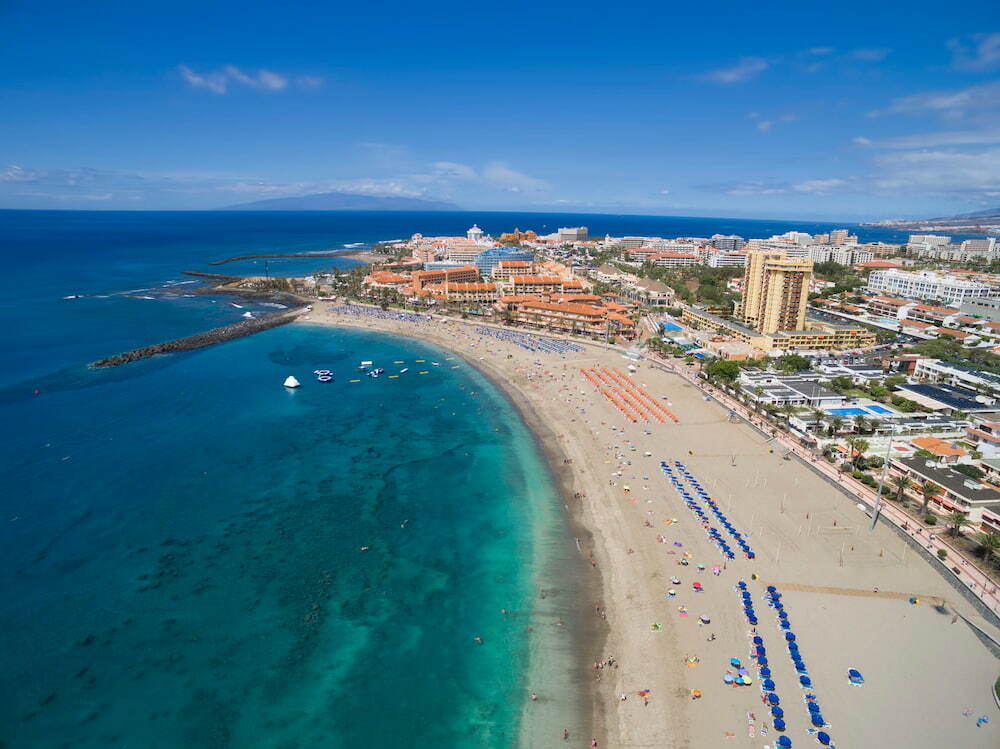
Using the same Alicante studio example, annual long-term rental at €6,000 rate (€500 per month):
Income: €6,000 Expenses: Agent commission (€500), taxes (€800), insurance (€300) Net profit: €4,400 (approximately 3.7%)
Long-term rental provides stability but yields lower returns compared to short-term resort rental. Tenants usually pay utilities and maintenance fees.
8. Is it worth renting out property in Spain?
Advantages of investing in Spanish rental:
It’s stable passive income in euros, requiring minimal effort.
Even when taking out a mortgage to purchase housing in Spain, you can receive rental income of about 1-2%.
Housing prices in Spain grow annually by 4%-8%. This trend will continue for at least several more years. That is, if you buy an apartment for €120,000, you can safely add an additional €6,000 per year to your assets.
Opportunity to vacation in Spain for free several months a year. If you come to Spain during mid or low season (winter), losses in rental income will be minimal. In this case, all maintenance costs will be borne by tenants.
Possibility of obtaining residence permit based on confirmed income or “Golden Investor Visa” (when purchasing property worth €500,000 or more).
9. What property is best to invest in for rental?
Ideal characteristics for short-term rental:
Proximity to sea (walking distance, i.e., no more than 1 km from beach). Many tourists prefer to save money and not rent a car, walking to the beach instead.
Resort infrastructure - supermarkets, bars and restaurants nearby.
Size and number of bedrooms (most in demand are properties with one or two bedrooms of 50-80 sq. m). Finding tenants for 3-4 bedrooms and area over 100 sq. m is more difficult - tourists rarely want to overpay for extra space. And if a large group moves in, the property will wear out faster.
Location in areas where there aren’t many hotels (on Costa Blanca, in Valencia), or near major tourist attractions such as Port Aventura in Salou.