Healthcare in Spain For Expats
Contents
- Spanish medical system for expats
- Cost of medical care in Spain
- Medical insurance in Spain
- Visiting a hospital in Spain
- Visiting a dentist in Spain
- Pharmacies in Spain
- Pregnancy and childbirth in Spain
- Children’s healthcare in Spain
- Healthcare system for retirees
- Conclusion
1. Spanish medical system for expats

Spain ranks first in life expectancy among all EU countries. Public opinion about the healthcare system is positive, expats find medical services to be of sufficient quality. The healthcare system is decentralized — autonomous communities independently provide medical services.
Most citizens and residents use public healthcare, and only a small portion obtains private insurance. Practically all residents are insured.
Public healthcare in Spain
Free medical care in local clinics and public hospitals is provided to the following categories of people:
- resident with an employment contract
- freelancer or self-employed person making contributions to the social security fund
- resident receiving certain government benefits
- resident whose former spouse is registered in the social security system
- pregnant woman living in Spain
- child living in Spain
- student under 26 years old
- resident receiving a state pension, or
- holder of a European Health Insurance Card (EHIC)
To start using public healthcare, you must register at a local clinic with a social security number.
Private healthcare in Spain
As an alternative to the social security system, residents can pay for medical services themselves or visit private clinics. Reasons for choosing private healthcare: full coverage of dental services, ability to avoid queues, reduced waiting time for chronic conditions, EU citizens traveling outside the European Union choose private insurance for worldwide coverage, as well as advantageous family packages.
2. Cost of medical care in Spain

Public healthcare in Spain is free and universal. The cost of private medical services is relatively low compared to other EU countries.
Approximate prices: general practitioner consultation — €60, specialist appointment — €70–€1,100, one day in hospital — €200, porcelain crown — €400, hip replacement — €7,700.
3. Medical insurance in Spain

The type of insurance depends on living and employment conditions. Expats who pay income tax and social security contributions receive the same benefits as Spanish citizens.
How to use the European Health Insurance Card (EHIC)
The EHIC card allows EU, EEA, and Swiss citizens to receive medical care under the same conditions as Spanish citizens. The card only works for emergency care (serious injuries, fractures, poisoning) and ongoing conditions (diabetes). It does not cover planned treatment.
How to register in the health insurance system
After registering in Spain’s social security system, you need to obtain a TSI (Tarjeta Sanitaria Individual — individual health card). This requires: TIE or registration certificate, registration certificate from city hall (padrón), document confirming the right to medical care, and identity document.
TSI provides free medical care in public hospitals and a 40–60% discount on prescription medications. For retirees, the discount covers up to 90% of medication costs.
Private health insurance
Less than 20% of residents choose private insurance. Sanitas is the oldest and largest insurance company. Package costs range from €23 to €102 per month. The price varies depending on:
- Age
- Type of coverage
- Co-payments
- Reimbursement policy
4. Visiting a hospital in Spain
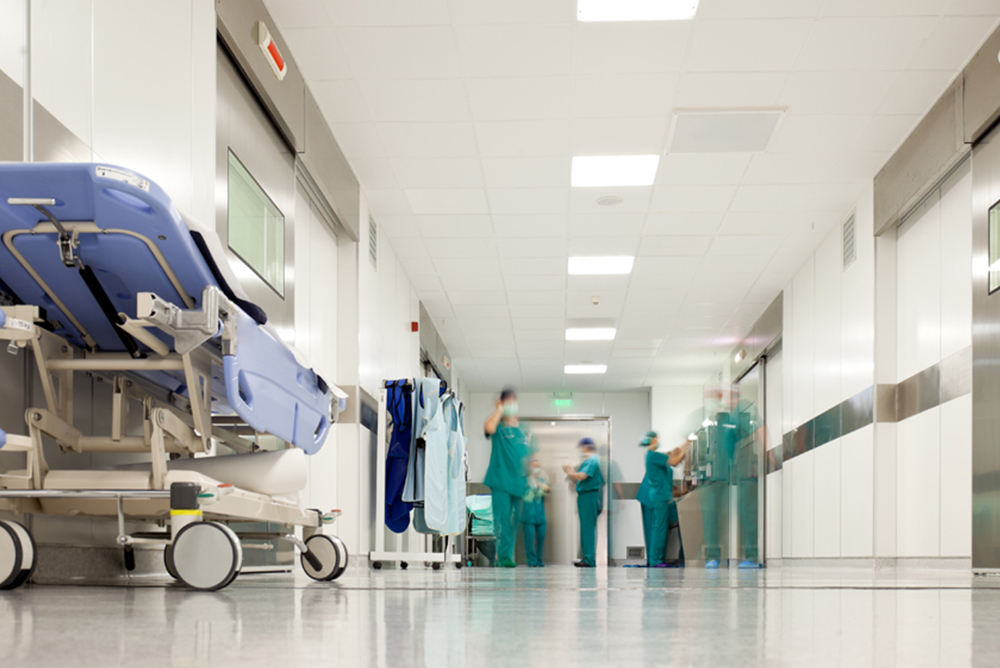
When registering in the system, you are assigned a local doctor (médico de cabecera). In the public system, you must first see a general practitioner unless you have private insurance.
Spanish hospitals are among the best in the world. However, when seeking planned care through the public system, long queues are possible.
In large cities and tourist destinations, there is high demand for English-speaking doctors.
After discharge from the hospital, a medical examination is required to obtain a prescription — hospitals do not issue prescriptions, this is done through the pharmacy.
Emergency cases
In urgent situations, you should go to the hospital emergency department (Urgencias). Call 112 — the unified European emergency number, free from any phone.
Emergency services in Spain
- 060 — ambulance (ambulancia)
- 963 600 313 — duty pharmacies
- 961 496 199 — emergency dentistry
- 971 404 459 — emergency veterinary care
- 900 202 202 — sea rescue
Key phrases for medical emergencies in Spanish:
- Please send help immediately: Por favor envie ayuda inmediatamente
- Heart attack: Ataque cardiaco/Infarto
- Stroke: El accidente vascular cerebral
- It hurts here: Me duele aquí
- I feel nauseous: Tengo náuseas
- I have an allergy: Tengo alergia
5. Visiting a dentist in Spain
Spain has more than 34,000 registered dentists and over 25,000 dental clinics. A specialist directory is available on the Consejo Dentista de Colegios de Odontólogos y Estomatólogos website.
The cost of individual dental plans averages €7–15. They cover preventive care and diagnostics. Some plans include fillings, root canal treatment, and crowns. The cost of a filling without discount is €60–80.
Emergency dental care is provided free of charge. Treatment for children aged 6 to 15 is free when registered in the public healthcare system.
6. Pharmacies in Spain
Medications in Spain are not sold in supermarkets. A pharmacy (farmacia) can be recognized by a green neon cross. Pharmacies operate on weekdays and weekends. Thousands of pharmacies are open during evening hours.
Spain has a more lenient policy regarding over-the-counter antibiotics. Medication prices are affordable.
7. Pregnancy and childbirth in Spain
The social security system covers most prenatal and birth care for legal residents. Private and specialized services are only available with private insurance or out-of-pocket payment.
Prenatal care
Without complications, regular checkups are conducted every 4 weeks during the first 32 weeks of pregnancy. After that — every 2 weeks with midwife supervision.
Tests: urine, blood (diabetes, toxoplasmosis, HIV), group B streptococcus closer to delivery. Ultrasounds are performed once per trimester.
Childbirth preparation and breastfeeding classes begin at week 25 and are usually conducted in Spanish.
Childbirth in Spain
Childbirth in Spain is quite safe and proceeds without complications. Non-traditional methods are accepted but not widespread. Costs start from €2,000. An EHIC card is usually sufficient at the hospital.
The child must be registered within 8 days at the local civil registry (Registro Civil). To obtain citizenship, at least one parent must be a Spanish citizen. Parents who are not Spanish citizens must obtain a passport for the child with a complete birth certificate (certificación literal).
8. Children’s healthcare in Spain
Free medical care for minor residents includes:
- Free immunization according to approved schedules up to age 14
- Pediatric care up to age 15
- Dental services up to age 15
- Free emergency services
- Services from doctors of 23 different specialties
- Extended coverage of all types of medical care for children with physical or mental disabilities
- Physical and dental health programs
Vaccination
Vaccination is not legally mandatory but strongly recommended. Free vaccinations for children up to 14 years old registered in the social security system include: hepatitis B, diphtheria, tetanus, whooping cough, IPV, Haemophilus influenzae type b, PCV, meningococcus B and C, MMR, chickenpox, and human papillomavirus (HPV).
Additionally, vaccinations for chickenpox, pneumococcus, and flu are available for children with certain risk factors.
9. Healthcare system for retirees
The National Health System (SNS) serves retirees from the EU and UK who have permanent resident status. To register, you must contact the local social services center. Retirees are entitled to benefits and discounts.
What is form S1?
Recipients of UK state pensions can confirm their right to medical care under the same conditions as Spanish citizens. To do this, you must obtain form S1 from the International Pension Centre and present it at the local social security office along with Certificado de Empadronamiento and Certificado de registro.
Nursing homes in Spain
Public nursing homes have long waiting lists, with priority given to the country’s citizens. Residence is paid. Cost of private nursing homes: €1,700–€5,000 per month per person, depending on the type of care.
10. Conclusion
In emergencies, call 112. Obtain public or private health insurance. Prepare necessary documents and insurance card.