TOP-6 news Post Covid-19 New Normal
Contents
Masks, video wills, opening of the summer season. Find out what’s new in Spain after quarantine.
From July 1st, Spain opened the summer season and borders for tourists, but not yet for everyone. In this digest, we discuss the most important news regarding Spanish real estate on the eve of the country’s “opening” after quarantine, and share current market statistics.
Mortgage: alive and kicking
Video will
Pandemic and “Golden visas”
Summer 2020: how much does seaside rental cost?
Investments for later
New builds rise in price
1. Mortgage: alive and kicking

The mortgage market in Spain not only survived quarantine, but also managed to show decent results: 125,586 approved mortgages in the first quarter. Higher figures were achieved only twice in history: in 2019 (128,229) and in 2011 (173,659). This data was published by the National Institute of Statistics.
According to experts, the positive dynamics is explained by an active start to the year, when the industry was characterized by active development before quarantine. At the same time, experts predict a significant reduction in the number of mortgage loans in the future. They are confident that the consequences of the pandemic will become noticeable after the second quarter. The Bank of Spain considers the possible rise in unemployment to 20% as the main problem of the post-quarantine period.
2. Video will
Spanish notaries are appealing to the government to recognize the validity of wills made via video link. This step was prompted by the COVID-19 epidemic: many elderly people could not come to a notary, and secondly, the notaries themselves mostly did not work. In such conditions, it was not easy to legally formalize and execute someone’s last will.
To avoid such delays in the future, Spanish lawyers ask to legalize the drafting of wills through gadgets. Thus, if the initiative is adopted, it will be possible to draft wills or conduct other procedures directly during a video call with a lawyer.
3. Pandemic and “Golden visas”
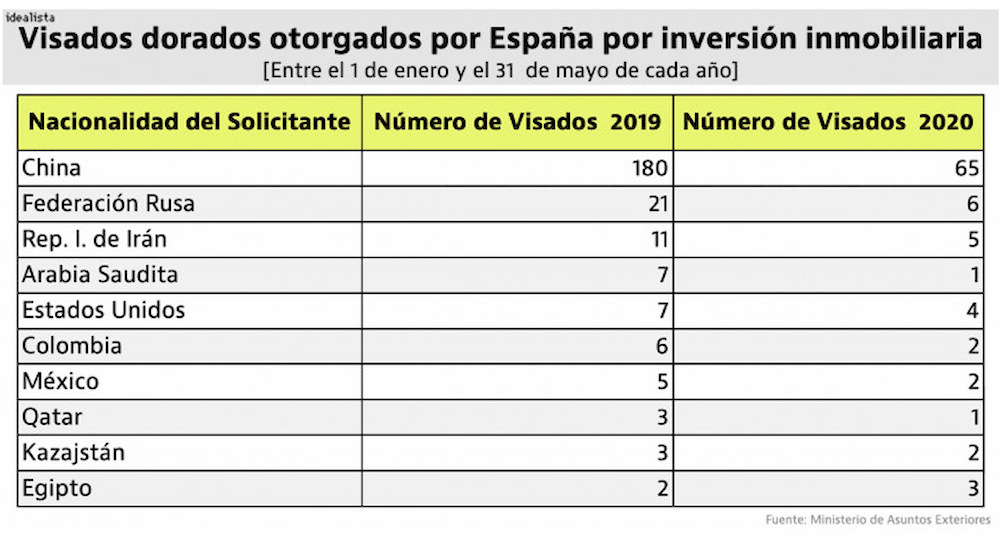
For the first five months of 2020, Spain issued 113 “Golden visas”. The information was provided by the Spanish Ministry of Foreign Affairs. This is more than twice less than for the same period last year (285). Traditionally, investors from Russia and China are most active, and they suffered the most significant losses.
As Oscar Larrea, General Director of Engel & Volkers Madrid, notes, there is nothing unusual about this in the current circumstances. Firstly, potential investors were frightened by the large number of coronavirus victims in Spain. Secondly, obtaining a “Golden visa” requires at least one visit to the country for several months, which is not easy to do with closed borders.
4. Summer 2020: how much does seaside rental cost?
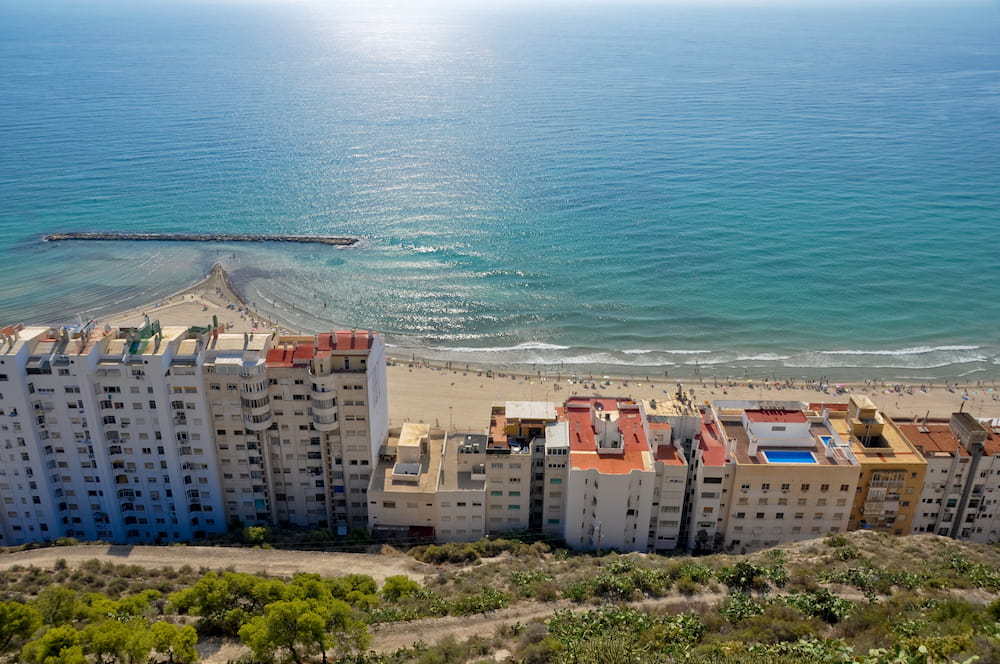
According to Spanish appraisal company Tecnitasa, in 2020 the cost of renting resort housing in the country increased by 3%. The most expensive region remains the Balearic Islands: a week’s rental of an apartment in Menorca costs an average of €2,800, in Ibiza — €2,200. Similar prices in Marbella on Costa del Sol: about €2,600 per week by the sea.
A week’s stay in Alicante is valued at €1,500. The most affordable in 2020 are the northern regions of Spain and the Canary Islands.
5. Investments for later
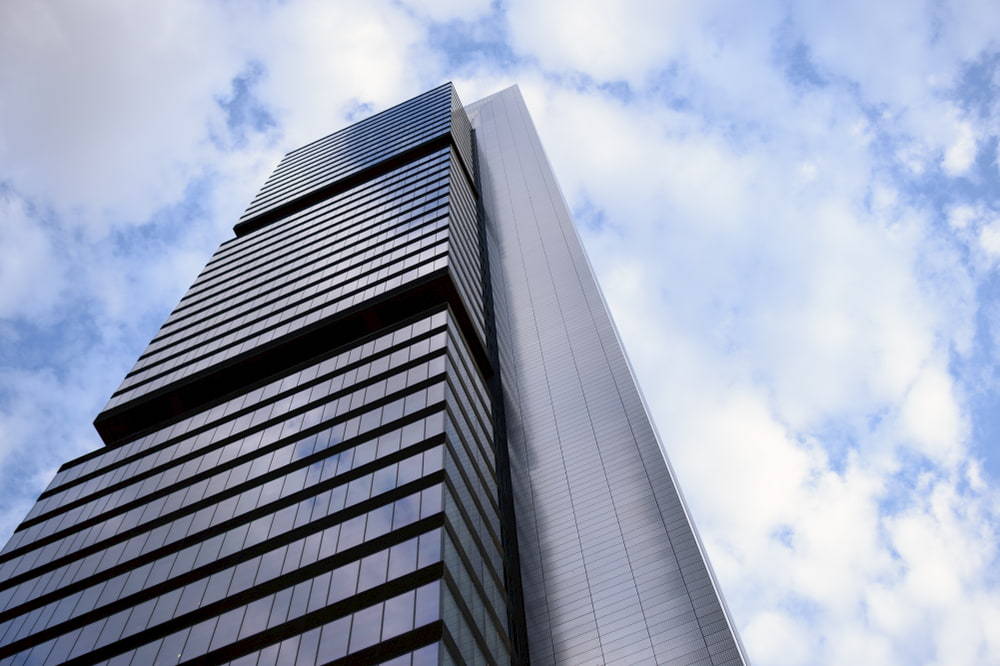
As CBRE reports, in 2020 real estate in Spain will receive ⅓ less investment than in 2019 (€9 billion vs €12 billion). Nevertheless, Spain remains one of the most attractive countries for foreign investors.
According to analysts, approximately every third investment project in the country was frozen due to the COVID-19 pandemic. About 12% of new projects were cancelled, 18% are in question. Thus, the majority (about 70%) of projects remain postponed.
6. New builds rise in price
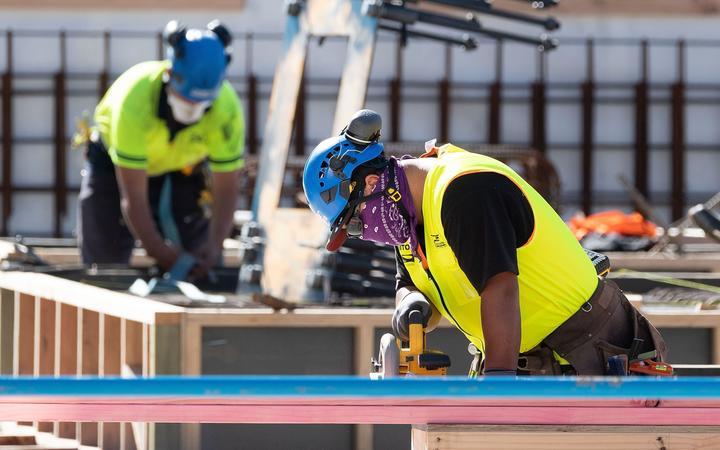
New sanitary standards, social distancing and other measures to combat the spread of disease lead to higher prices for new builds, as noted by spanishpropertyinsight agency.
On June 9th, the country adopted a Royal Decree introducing “urgent measures” to combat the threat of COVID-19 in workplaces. These measures include wearing masks, using antiseptics, movement rules and a number of other requirements that are difficult to comply with at construction sites. As a result, according to experts’ estimates, the cost of workers’ labor will increase by 7%, and the average price of housing in new builds — by 2.5%. The “urgent measures” will be canceled with the “end of the crisis in the healthcare sector”. Most experts are confident that this will not happen before 2021.
Thank you for your attention! If you are interested in real estate in Spain — contact our agents!