Spaniards live longer habits
Contents

Moving to Spain for retirement is a decision that more and more Europeans are making. And it’s not just because living here is cheaper than in many other countries.
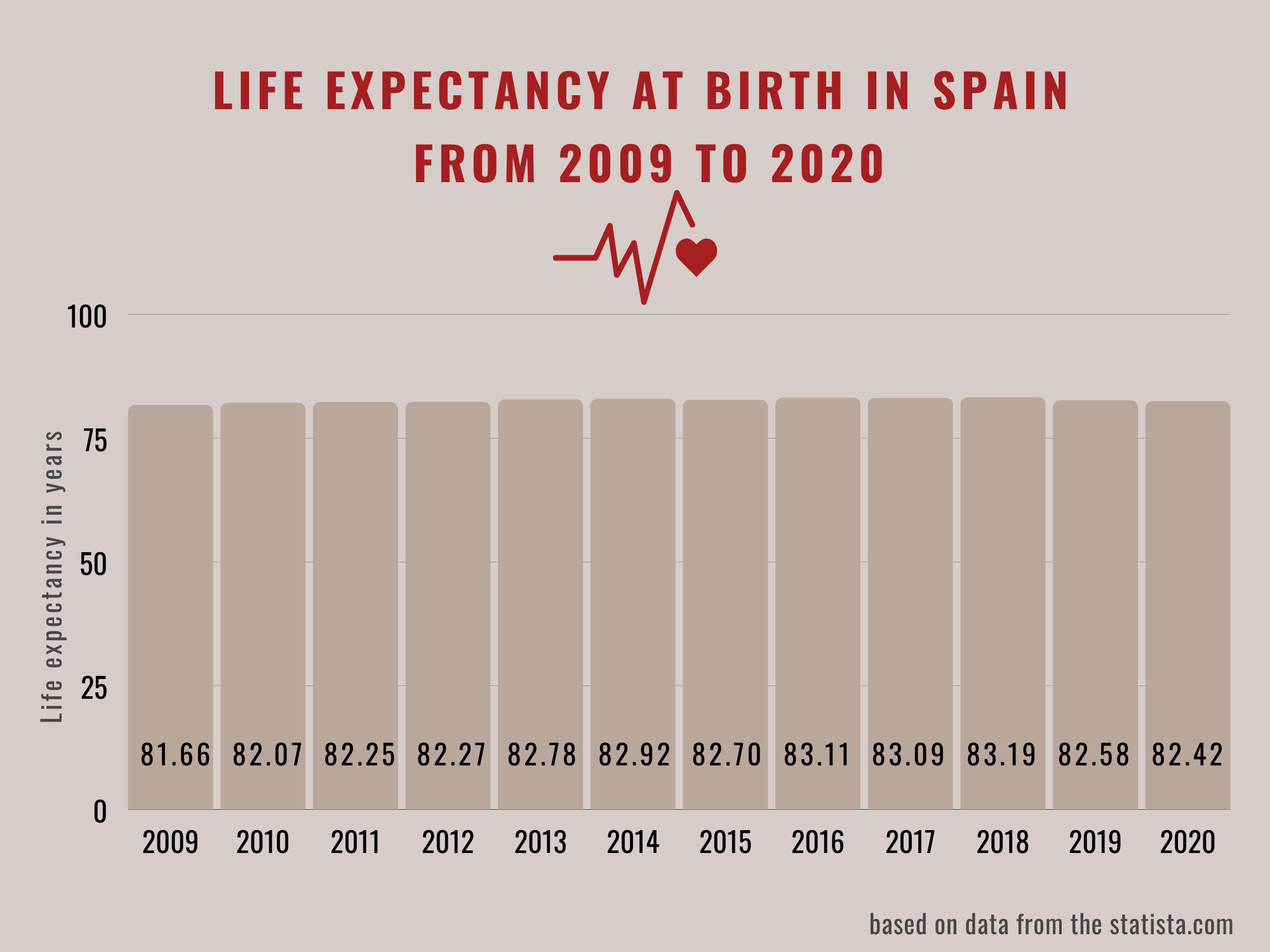
One of the main motivations for changing countries is that retirees in Spain live longer and happier lives.
According to data from the Washington Institute for Health Metrics and Evaluation, by 2040 Spain will take first place in the world for expected life expectancy and quality of life — this indicator will be 85.8 years.
And all this without considering the Spanish healthcare system! Its quality is confirmed by a Bloomberg study — the agency evaluated 169 countries worldwide, and Spain topped the global health index.
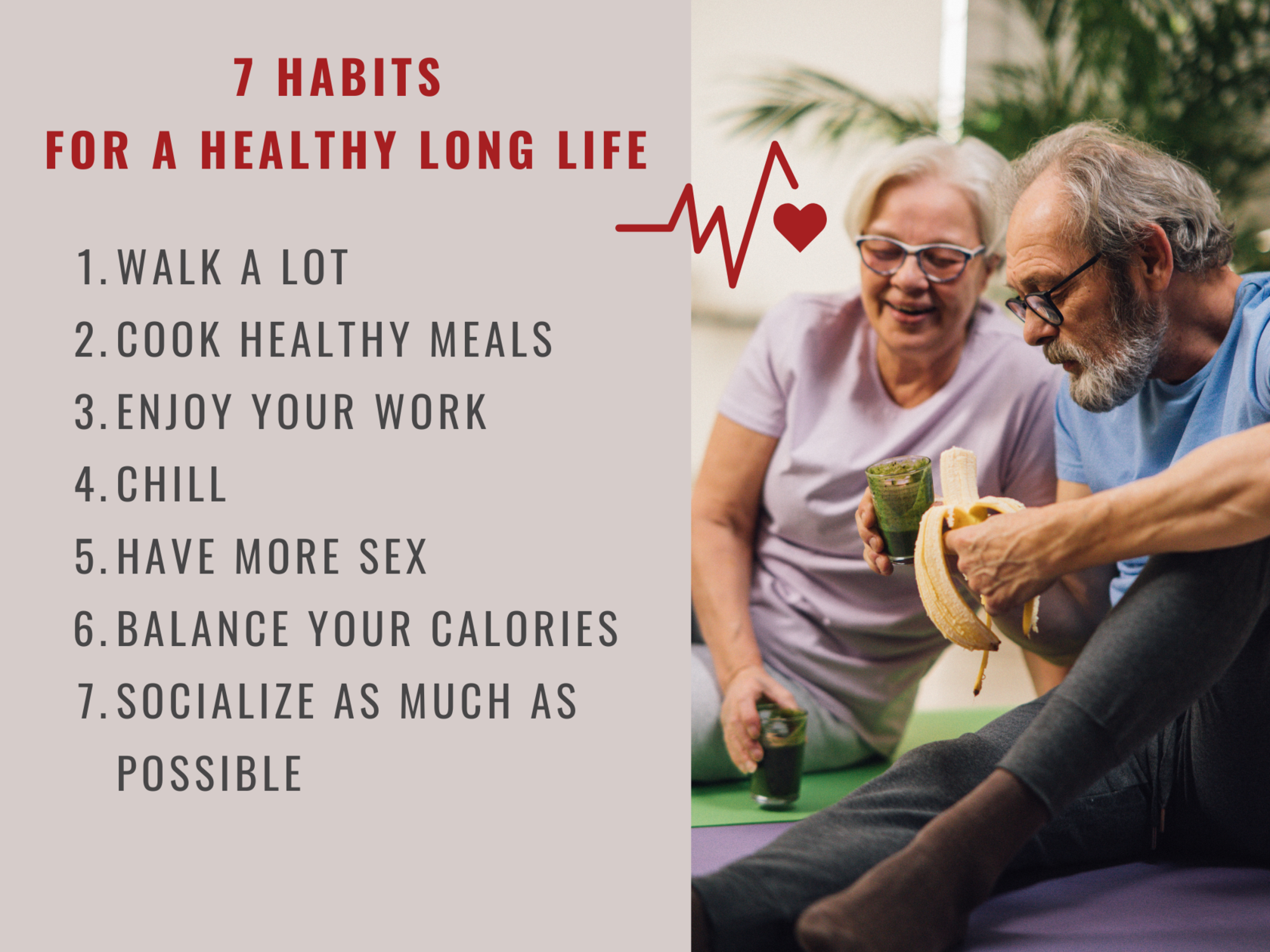
If you look closely at the habits and lifestyle of Spaniards, it becomes clear why they are a healthy nation. Here are 7 factors thanks to which Spaniards live long and fulfilling lives.
1. Movement is life “Motus vita est”. Choose walking

“El paseo” — this is what a walk is called in Spanish.
Walking is the main type of physical activity for Spaniards. The benefits of walking are confirmed by medical research.
According to statistics, 76% of Spaniards take walks lasting 15 minutes or more at least four days a week. 37% of the working population commute to work daily on foot or by bicycle, without using either public transport or personal cars. At the same time, Spaniards are not fans of gyms — statistically, the number of Spaniards who regularly exercise is significantly lower than in other European countries.
Advice: Make it a habit to walk on foot.
2. Mediterranean diet
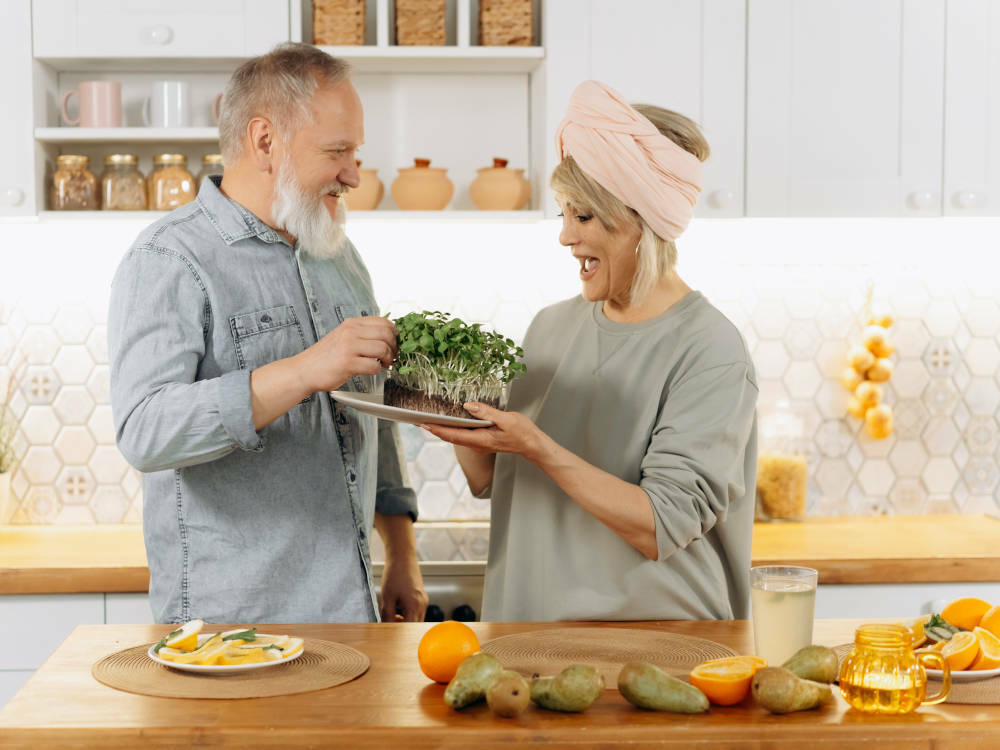
The Mediterranean diet is often mentioned as a factor in increasing life expectancy and reducing the risk of cardiovascular disease. The Spanish diet consists of endless combinations of fish, fruits, fresh vegetables, nuts and legumes, generously seasoned with olive oil. Meat and meat products more often play the role of delicacies — even famous jamón is not eaten by the kilogram, but enjoyed in the thinnest slices.
Spaniards cook a lot at home and avoid fast food.
The habit of cooking at home also plays an important role: only 20% of Spaniards buy ready-made products more or less regularly. Most prefer to spend time at the stove, cooking themselves. Often couples cook dinner together, which positively affects the family climate and strengthens relationships.
Another factor in Spanish longevity is the culture of alcohol consumption. It seems that Spaniards drink constantly, but in reality, according to statistics, pure alcohol per capita in Spain is less: 8.6 liters. For comparison — in the UK this indicator is 9.6 liters. Spaniards less often consume strong drinks with liqueur oils, preferring local wine.
For Spaniards, alcohol is a reason to have a good time in the company of friends, share news and experiences. This habit replaces therapy sessions for Spaniards.
Advice: Make it a habit to cook dinners yourself at home.
3. Work a lot, but with pleasure

Many who have visited Spain as tourists get the impression that half the population doesn’t work, but simply enjoys life. But this is not so: Spaniards work an average of 1,687 hours per year — 331 hours more than in Germany, 173 hours more than in France, and 117 hours more than in Switzerland. Often the working day in the office ends at 8:00 PM. But even after work or during breaks, colleagues continue to communicate.
According to doctors, a long working day with breaks positively affects health, since breaks provide an opportunity to relax, while a limited period of high concentration at work doesn’t drain all energy. Conversations with colleagues during “smoke breaks” are not a waste of time: a cup of coffee at work increases productivity. That’s why in such a highly organized country as Sweden, they adopted the Spanish habit of drinking coffee with colleagues — they have their own “fika” culture (Swedish coffee break). And, by the way, Spaniards work an average of 96 hours more than Swedes.
Advice: Learn to communicate with colleagues as friends and solve complex issues over lunch.
4. Siesta — enjoying life

If you read the previous point, then you know that breaks are sacred for Spaniards. The siesta culture, conditioned by both climate and lifestyle, is still observed by many.
According to statistics, 18% of workers use siesta time for daytime sleep. The rest enjoy life — go to lunch, handle affairs or simply stroll leisurely. By the way, the Spanish Society of Primary Care Physicians recommends allocating just 26 minutes a day, but regularly, for “doing nothing” — these minutes improve memory and cognitive abilities, lift mood and support heart health.
Advice: Add breaks to your work schedule at least a couple of times a week.
5. Quality sex
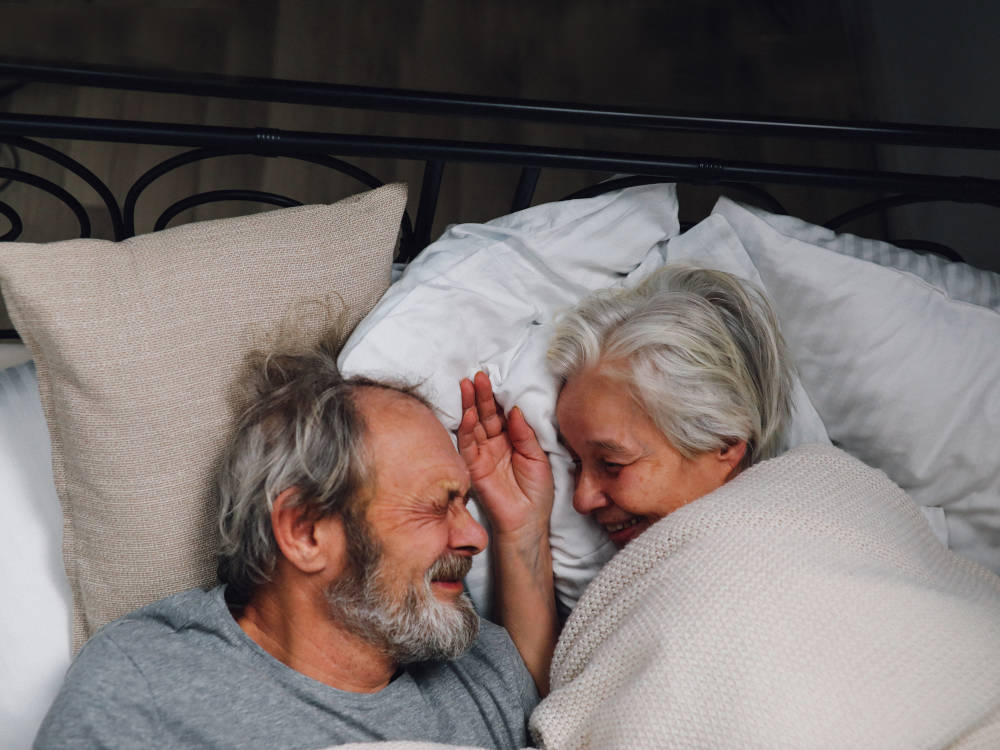
According to onePoll.com, which surveyed 15,000 women worldwide, Spanish men earned the honorary title of best lovers. Is this true? Statistics confirm: according to survey results, Spanish women have sex an average of 2.5 times per week, while the average European indicator for women is 1.7 times per week.
At the same time, the average age of beginning sexual life in Spain, with its Catholic traditions, is quite high by modern standards — 19 years, but they finish late. Other nations cannot boast of this: sex after sixty in Spain is not just normal, but an everyday phenomenon.
By the way, Spanish researchers established that regular sex in mature age reduces the risk of brain and heart diseases, as well as type 2 diabetes, while the absence of sexual life can contribute to the development of these conditions.
Advice: Take care of your health and have sex with pleasure.
6. Tapas — secret weapon of longevity

Excessive calorie consumption in the modern world is one of the factors leading to obesity and problems with the heart, blood vessels, joints and so on.
The Spanish habit of dining on tapas — appetizers — helps reduce the total number of calories consumed per day. It may seem that Spaniards sit at the table all the time and eat non-stop, but in reality they consume significantly fewer calories than the British or Americans.
The habit of gathering at the table with the whole family or dining with friends surprisingly limits Spaniards’ diet. Conversations, exchanging news and opinions is the main thing, while food remains a pleasant addition.
Advice: Develop the habit of eating less and communicating more.
7. Communicate a lot and express emotions
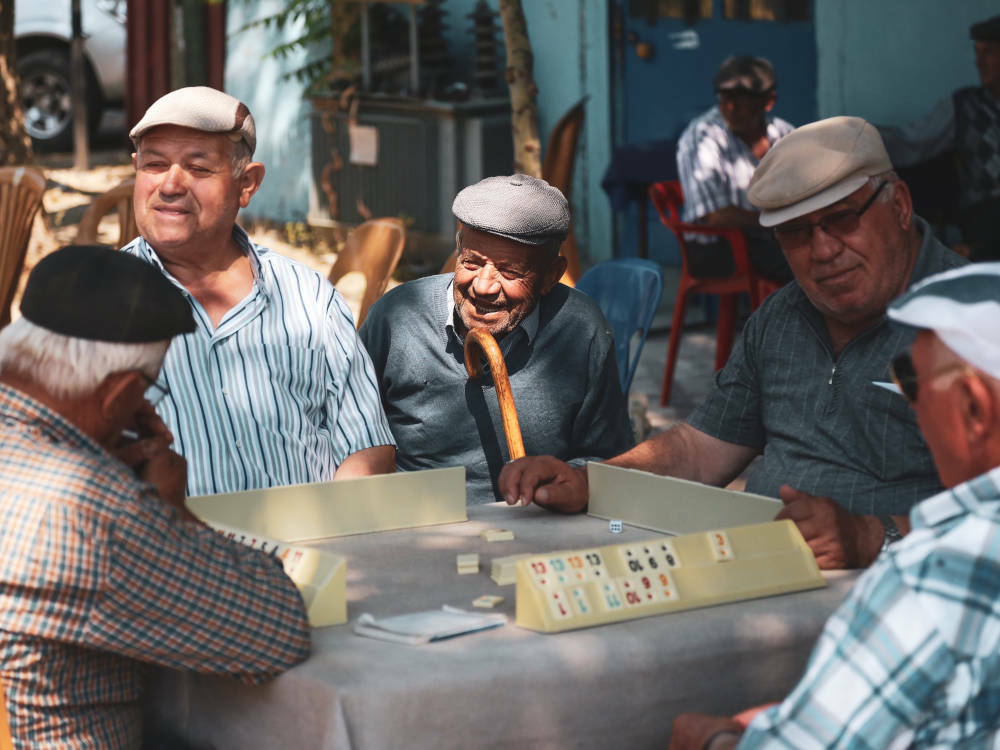
Spaniards are a very sociable people. For them it’s completely natural to openly express emotions, and this helps avoid certain psychological problems leading to depression and reduced quality of life. But Spaniards have another secret weapon in the fight for quality of life.
It was discovered by a study by Professor Peter Dodds from the University of Vermont: it’s the Spanish language. Scientists analyzed 100,000 words in the 10 most common languages of the world and found that the Spanish language uses more positive words, such as “amor” (love) and “risa” (laughter), than any other, which improves people’s mood. Negative words, such as “triste” (sad) and “llanto” (crying), occur less frequently than in other world languages.
Advice: Learn Spanish and communicate with friends.
Adopt Spanish habits and implement them in your life. Move to Spain for retirement. Here there is everything needed for a happy life: sea, sun and positive environment.